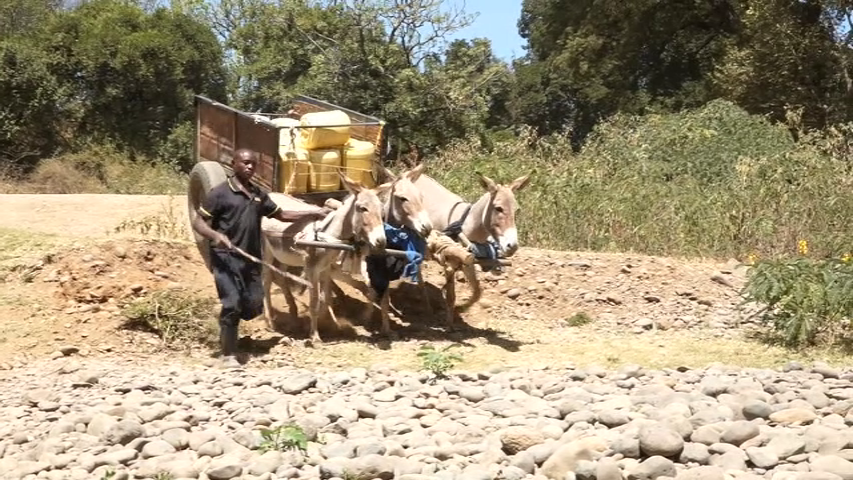
 A resident of Umande Ward in Laikipia East constituency heading to the dried up River Sirimon in search of water/ ALICE WAITHERA
Residents of Umande ward, Laikipia East constituency, in Laikipia county have raised the alarm over what they describe as the illegal diversion of River Sirimon upstream.
They are accusing some farmers of blocking the waterway for irrigation and leaving downstream communities without water for months.
They want government agencies to urgently intervene and restore the natural flow of the river, saying the situation has worsened an already dire water crisis brought about by prolonged dry spells.
River Sirimon, their main source of domestic water, has significantly reduced in volume due to upstream abstraction, cutting off supply to households that rely on it for drinking, cooking and sanitation.
Resident Margaret Wambui said families are struggling to access safe water and are increasingly exposed to waterborne diseases.
“All the rivers around us have dried up. We have tried to seek help, but nothing has changed. The obstruction of River Sirimon must stop so that those of us downstream can also access water for domestic use,” she said.
Wambui said residents are now forced to walk long distances in search of borehole water, which she described as unreliable and insufficient to meet household needs.
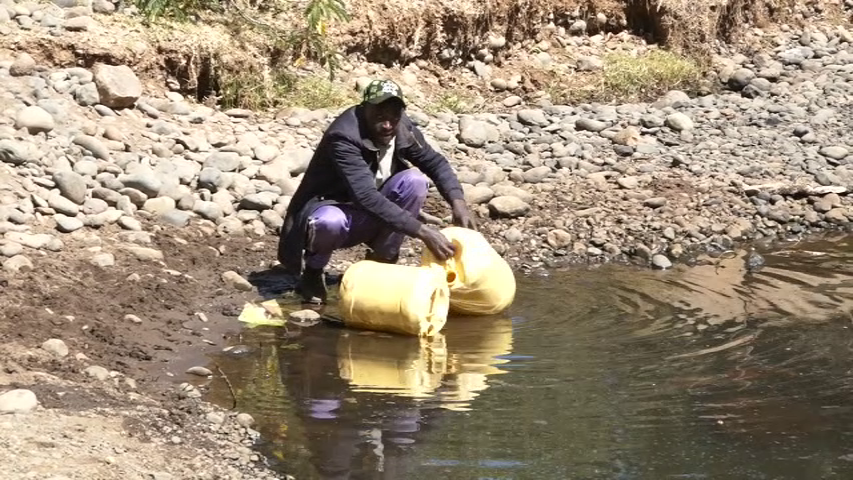 A resident fetches water from a pool on the dry bed of River Sirimon /ALICE WAITHERA
River Sirimon springs from the slopes of Mt Kenya and is one of the key tributaries of Ewaso Ng’iro North basin.
The river supports small-scale farmers and large horticultural enterprises in Laikipia, a county known for its mixed land use, including pastoralism, wildlife conservancies and commercial agriculture.
Resident Francis Maina said they were shocked when the river, one of the permanent water sources started drying up last year.
“From December, we haven’t had any water. We struggled to celebrate Christmas because the river had dried up and the community boreholes available have long queues that keep us all day,” he said.
Maina said the river’s water flow would only reduce during droughts but was available year-round until the flower farms were established upstream in the Maili Sita area.
He wondered why the companies had been allowed to abstract water, condemning those depending on the river downstream to suffering.
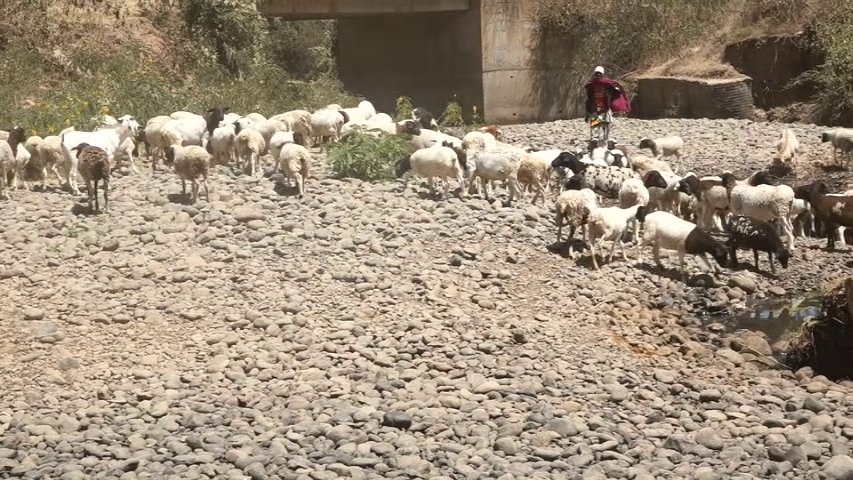
“What do they think we do? We struggle a lot to feed our livestock and even get water for our households. We want the government to intervene and stop them,” he said.
The dispute has since moved to court, with lawyer Mwangi Maingi filing a petition at the Nanyuki law courts against several horticultural farms and the local Water Resources Association.
In the petition, he is seeking tighter regulation of upstream water abstraction and an end to what he terms unlawful river diversion.
“We are asking the court to compel the Water Resources Association and horticultural farms to adhere strictly to the law. Diverting rivers upstream at the expense of downstream communities violates constitutional provisions, as access to water is a basic right,” Maingi said.
Laikipia has experienced recurrent droughts in recent years, linked to changing climate patterns and reduced rainfall that cause frequent water scarcity, sparking tensions between pastoralists and farmers.
Residents of Umande now want enforcement agencies to step in, warning that without urgent action, the lack of water will continue to threaten livelihoods, public health and social stability in the area.
Water access in Laikipia is uneven and strained by climate and infrastructure limits.
A study conducted by Twaweza Ni Sisi organisation in 2024 found that about 55 per cent of households have access to piped water.
About 49 per cent of the population, however, relies on unimproved water sources and about 57 per cent of residents treat their drinking water before consuming, either through boiling or use of chemicals.