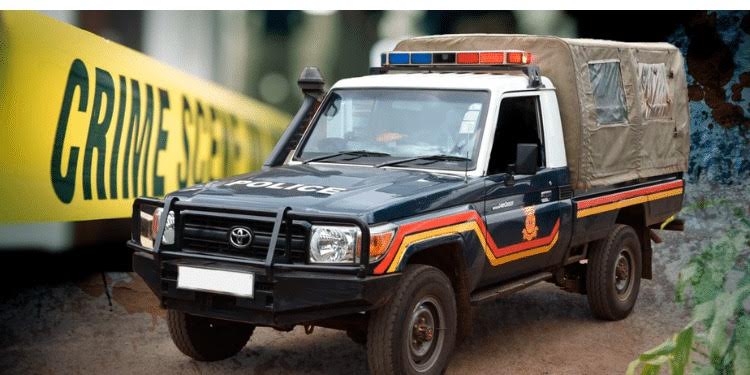
A 30-year-old man was attacked and killed by an elephant in Kasigau area, Taita Taveta county, officials have said.
Simon Mnazi had gone missing on February 8 and his body was recovered the following day.
Authorities believe the attack happened around the time he had gone missing.
The body was moved to the mortuary as locals protested growing incidents of attacks by wild animals.
His family was advised to file for a compensation. This is the latest such incident to happen in the region amid a surge in attacks from wild animals.
Such human-wildlife conflicts have been on the rise leaving dozens of people dead and others injured.
Most of the incidents happen near national parks, officials said. There is a campaign to ensure there is peaceful coexistence between locals and the animals. This is after some locals threatened to retaliate.
The most notorious incidents involve elephants and buffalos, officials said.
In May last year, Kenya introduced the third phase of its Human–Wildlife Conflict Compensation Programme, an initiative seeking to address these incidents.
During its launch at Meru National Park, President William Ruto unveiled the innovative Wildlife Conservation Card, a new tool designed to help fund conservation efforts.
“Compensation is justice, but prevention is progress,” Ruto said, emphasising the need for long-term solutions that benefit people and wildlife.
“Through the conservation card, fencing, and community‑led tourism, we are turning conflict into opportunity.”
Developed in partnership with KCB Bank, the Wildlife Conservation Card is available in three tiers—Platinum (Elephant), Gold (Lion) and Silver (Cheetah).
A portion of every transaction made with the card (Sh10, Sh5 and Sh3, respectively) goes directly to the Wildlife Conservation Trust Fund.
The initiative seeks to enable Kenyans and international supporters to contribute to wildlife conservation while fostering economic benefits for local communities.
With this new approach, Kenya hopes to build a future where humans and wildlife can coexist more safely and sustainably.