The government, with the backing of the International Finance Corporation (IFC), is targeting at least Sh1.5 trillion in foreign investments through special economic zones.
This is on the back of continued reforms and amendments to the law, including the Business Laws Amendment Bill 2026, which aims at among other things, promoting value addition and extending incentives to investors.
The International Finance Corporation (IFC), a member of the World Bank Group and the largest global development institution focused on the private sector in emerging markets, is backing Kenya on making the SEZs more attractive.
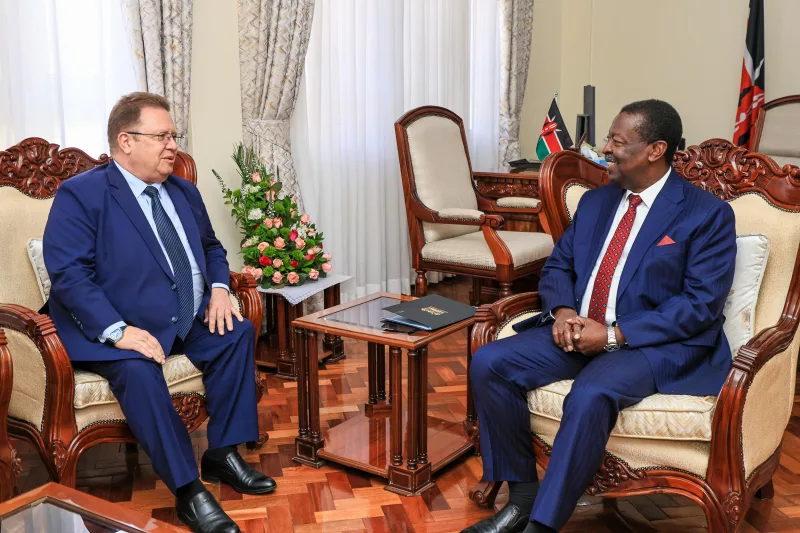
“We have signed an agreement with the leadership of IFC to further sharpen the tool with technical assistance and strengthen institutional capacity in order to attract more private capital and create more jobs for the youth,” Investment Promotion PS, Abubakar Hassan Abubakar, said.
In addition to the enabling environment, the cooperation agreement will also focus on green special economic zones and performance-based incentives.
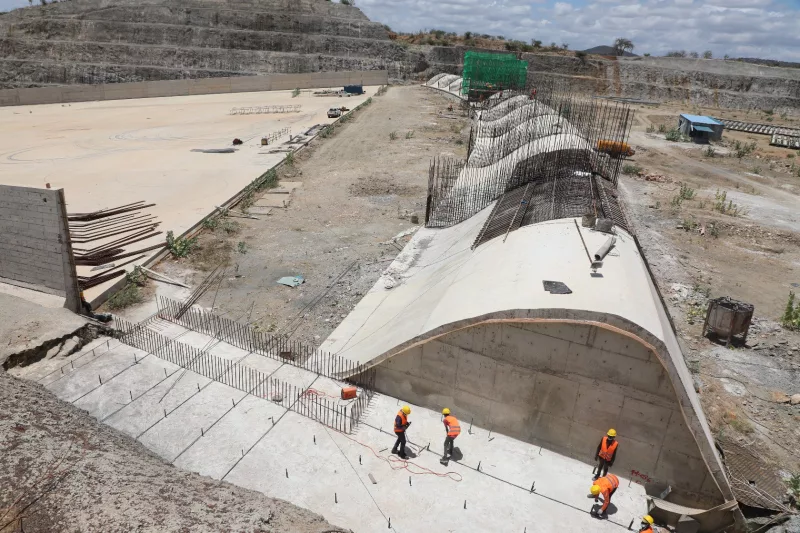
As of last year, the country had 28 gazetted SEZs (both public and private) spread across the country, with the key public ones being Naivasha SEZ, Dongo Kundu (Mombasa) and Konza SEZ.
Private entities include Tatu City SEZ, Compact FTZ, Africa Economic Zone, Two Rivers International Finance and Innovation Centre SEZ, Northlands SEZ and East Africa Free Zone SEZ.
“President Williamk Ruto’s administration has so far enacted 10 legal interventions to make the programme condusive and competitive. Five more legal interventions will be in the business laws amendment bill of 2026,” Abubakar said.
The facilitations on the ease of doing business at SEZs include a single operating license which combines all regulatory approvals into one license, exemptions from various regulations and fees, quick project approval and free movement of capital and profits.
Others are onsite customs support (simplifies import/export processing directly within SEZs), unrestricted foreign investment (no limitations on foreign equity ownership) and support in the processing of work permits for employees.
Imported goods are exempted from excise duty, import duty and import declaration fee with VAT zero rated. There is also no value-added tax on taxable supplies.
Investors also enjoy preferential rates for corporate tax at 10 per cent for first 10 years,15 per cent for the next 10 years and 30 per cent afterwards.
Stamp duty is exempt on legal instruments executed in SEZ transactions, 100 per cent investment deduction allowance on capital expenditure, building and machinery with local government (counties) fees such as advertisement and business permit exempt.
For the first 10 years of operation, an SEZ developer, operator or enterprise enjoys reduced withholding tax on payments made to non-residents for: Royalties, interest, management fees, professional, training, consultancy, agency or contractual fees.
They also enjoy power supply for renewable sources of energy thus lower production costs, averaging Sh5 per kwh in Naivasha SEZ, Sh10 per kwh in other SEZs and off-peak hours discounted to Sh7.62 per kwh.