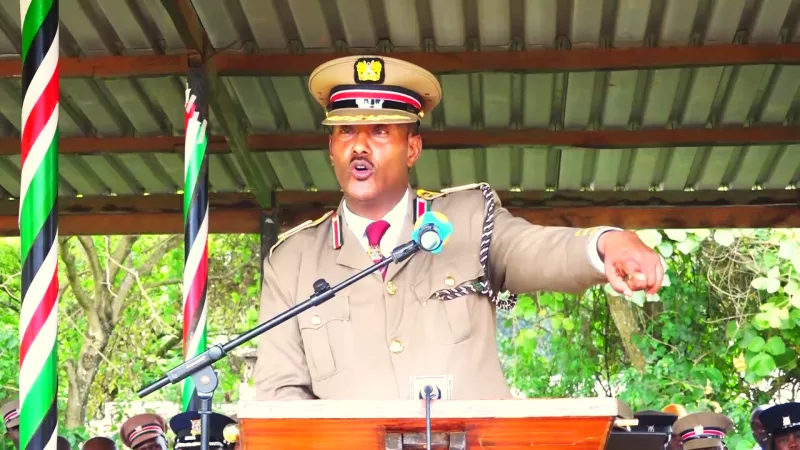
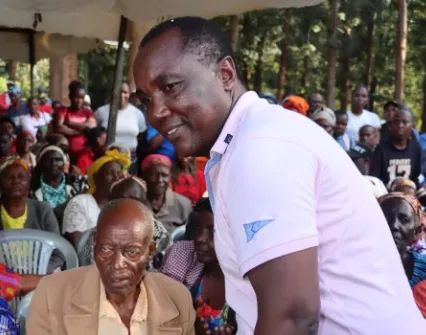
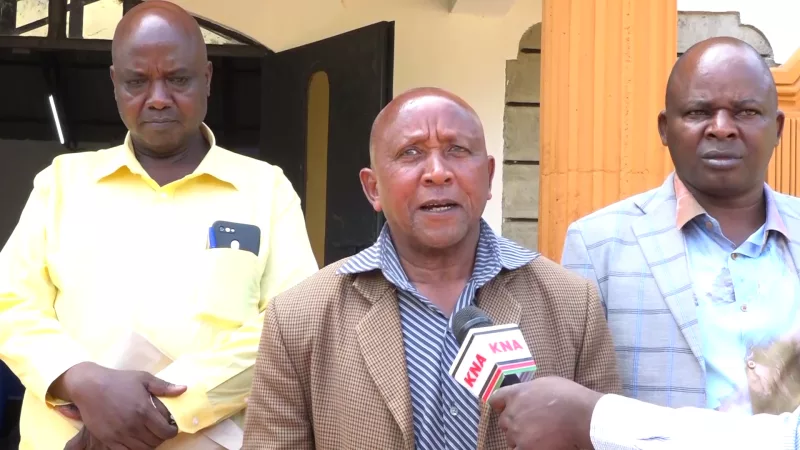
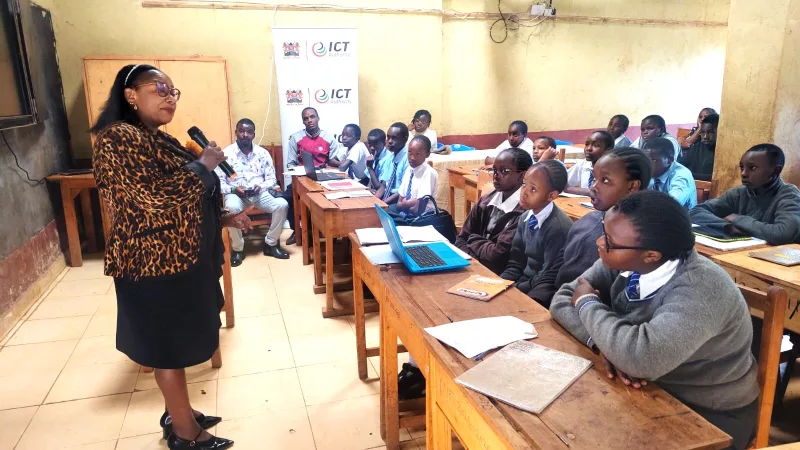
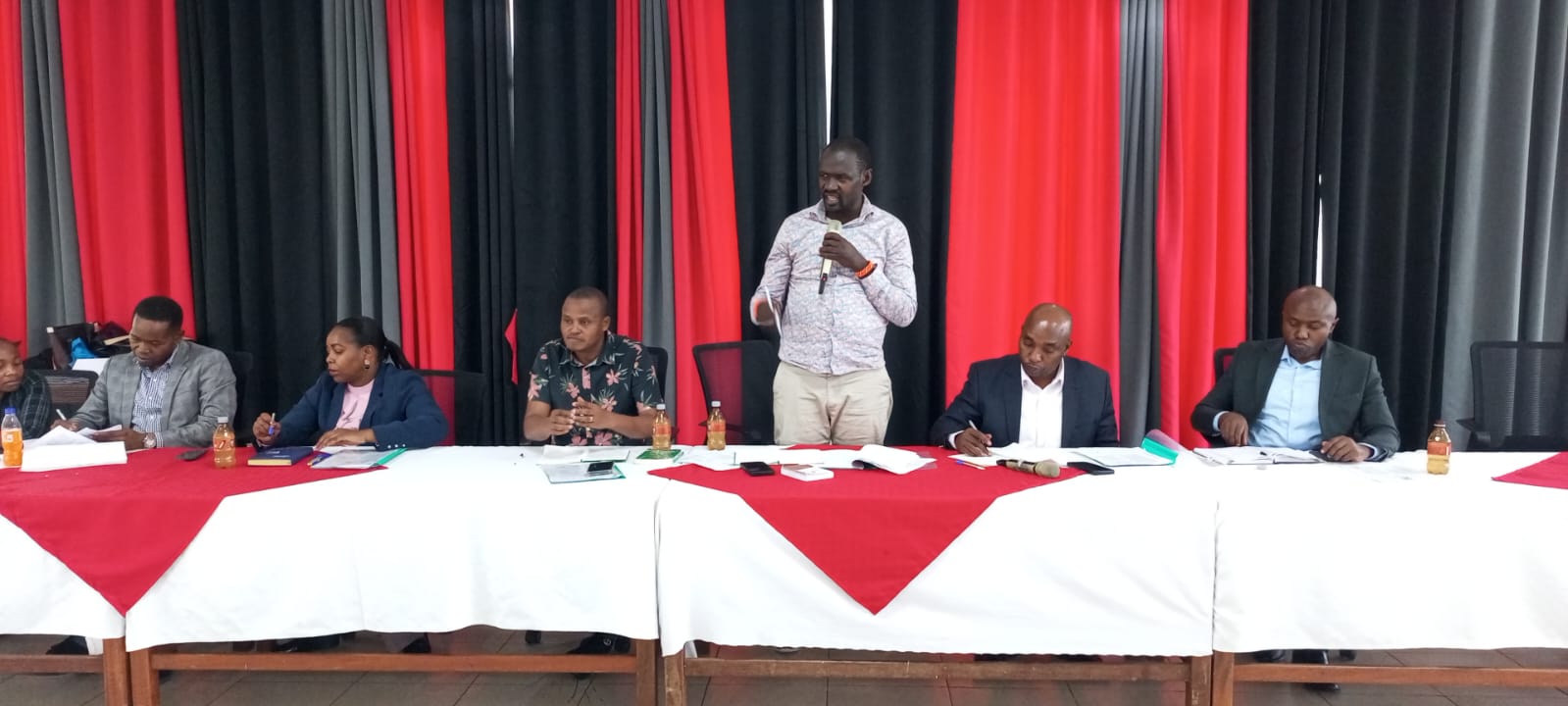
 Turkana South MP John Ariko during the public participation on the sale of Safaricom shares in Kiambu / ALICE WAITHERA
Mount Kenya residents have opposed the state’s plan to sell Safaricom shares, urging a halt to the 15 per cent stake sale and an open offer.
Residents from Kirinyaga, Kiambu and Murang’a counties raised concerns during public participation forums convened by parliamentary committees, warning that selling the shares directly to Vodacom Group at a negotiated price undermines transparency, public ownership and long-term national interests.
Appearing before the Parliamentary Committee on Public Debt and Privatisation, Kirinyaga residents questioned the proposal to sell more than six billion shares at Sh34 per share to a foreign entity.
They argued that a public offer could yield higher returns for the Exchequer while giving Kenyans a chance to own part of one of the country’s most profitable companies.
They also expressed concern over the implications of increasing Vodacom’s shareholding, citing risks related to data protection, national interest and job security.
“Safaricom plays a critical role in Kenya’s digital economy through mobile money, connectivity and data services. Handing more control to a foreign entity raises serious concerns,” Kirinyaga resident Peter Githinji said.
Residents further warned that boosting Vodacom’s stake could give it veto power over key decisions, potentially affecting employment terms and the company’s future direction.
While acknowledging the government’s need to raise revenue, residents proposed that if the shares must be sold, the proceeds should be channelled to critical social sectors, particularly healthcare.
They said the health sector is under severe strain due to funding gaps and challenges in implementing the Social Health Authority.
“The health sector is on the verge of collapse. If this money is realised, it should stabilise healthcare rather than being directed mainly to roads,” Resident Mary Wambui said.
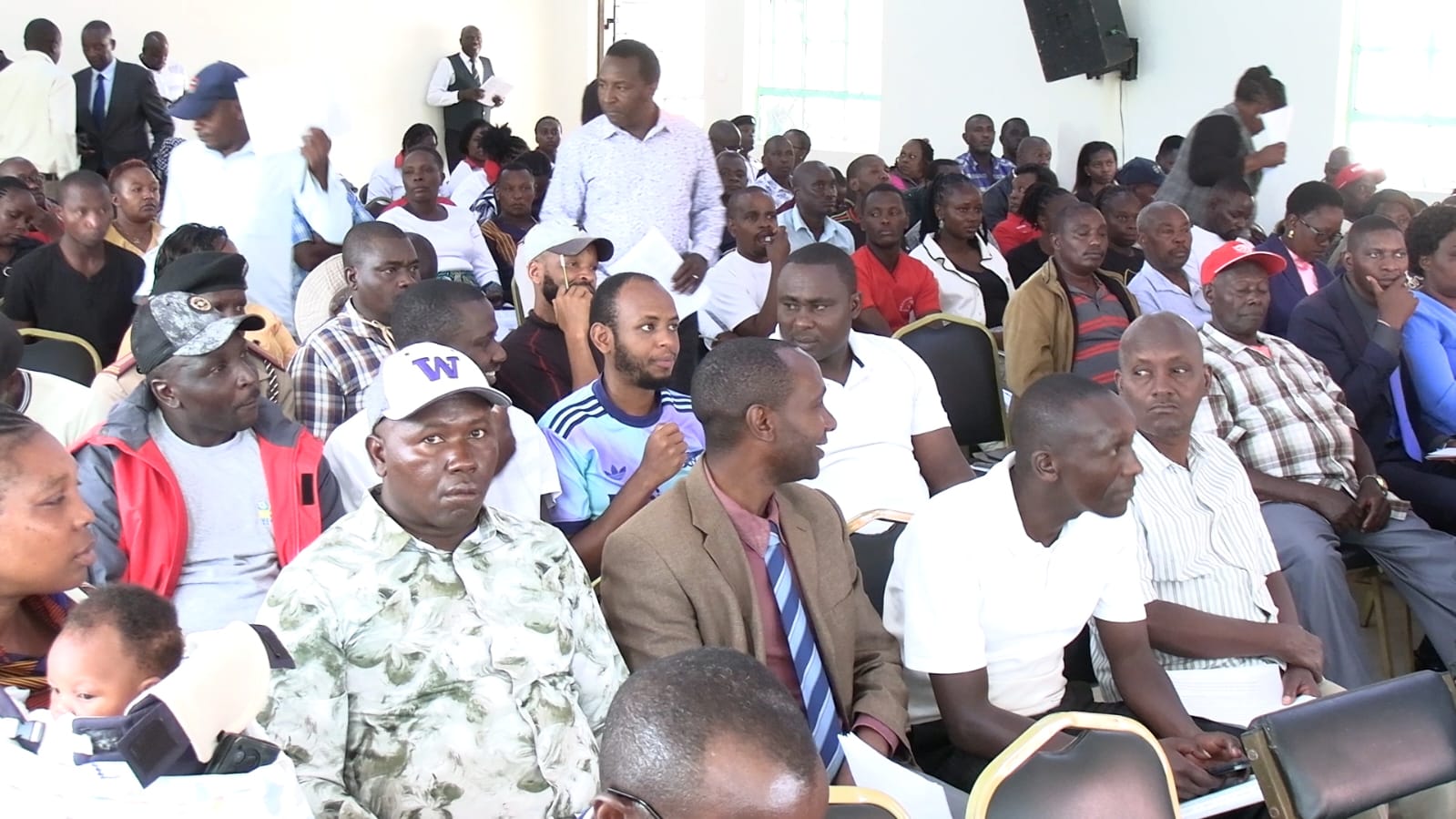 Kirinyaga residents during a public participation forum on the government's plans to sell its Safaricom shares/ ALICE WAITHERA
Similar sentiments were expressed in Kiambu county during a public forum at Kiambu National Polytechnic, where residents, professional groups and student leaders strongly opposed the plan.
They questioned the wisdom of selling what they described as a reliable revenue-generating asset to fund infrastructure projects they fear could be vulnerable to mismanagement.
Baringo North MP Joseph Makilap, however, defended the proposal, saying the government intends to raise about Sh204 billion to fund critical infrastructure and reduce public debt.
He said the committees are collecting views from 30 counties and assured residents that all submissions would inform parliamentary debate.
However, opposition remained strong, particularly from professional agencies. The Association of Accountants from the Mount Kenya region questioned why Safaricom had been selected for divestiture.
Accountant David Mwangi said that between 2020 and 2025, the government received close to Sh6 billion in dividends and stood to lose a steady income stream estimated at more than Sh10 billion annually if its stake is reduced.
Under the proposed structure, the government would retain a 20 per cent shareholding and only two board seats. Critics argued this would significantly weaken the state’s influence.
Youth leaders at the Kiambu forum also expressed mistrust in the management of large public funds, citing past cases of unaccounted billions.
“If we cannot account for money today, how can we trust the government with over Sh200 billion from our most valuable asset?” one speaker asked.
In Murang’a county, residents expressed mixed views during a public participation forum held at Murang’a University of Technology, with transparency and accountability dominating discussions.
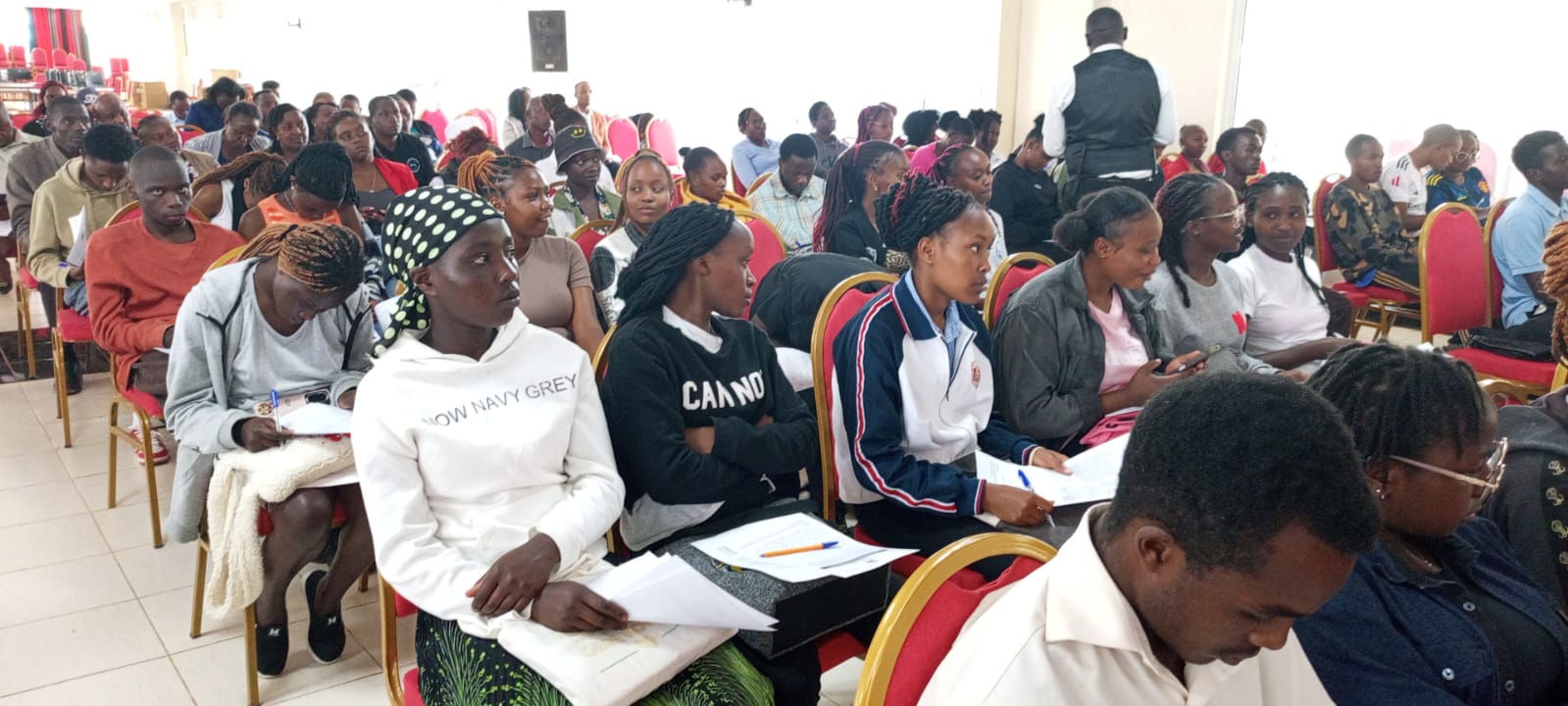 Kiambu residents during a public participation forum on the government's plans to sell Safaricom shares in Kiambu town/ ALICE WAITHERA
Some residents opposed the sale outright, questioning the sustainability of selling national assets to finance infrastructure.
“Even if we build roads today, we will still need money to maintain them. Selling shares is not a long-term solution,” Edith Kimani said.
Others urged the government to first seal revenue leakages, intensify the fight against corruption and redirect funds currently spent on non-essential programmes before selling public assets.
Student leader Ian Otieno questioned the logic of sacrificing a company that generates billions annually for a one-off sale whose benefits could be exhausted within a single financial year.
However, some residents supported the proposal with conditions, suggesting that part of the shares be sold to the public to preserve Kenyan ownership while limiting Vodacom’s stake.
“I support the sale, but Kenyans should be allowed to buy part of the shares so ownership remains balanced,” Stephen Waithaka said.
Kesses MP Julius Rutto, who chaired the Murang’a forum, assured residents that all views had been recorded and would guide Parliament’s final decision, adding that lawmakers would push for legal safeguards to ensure proceeds from any sale are used strictly for their intended purposes.