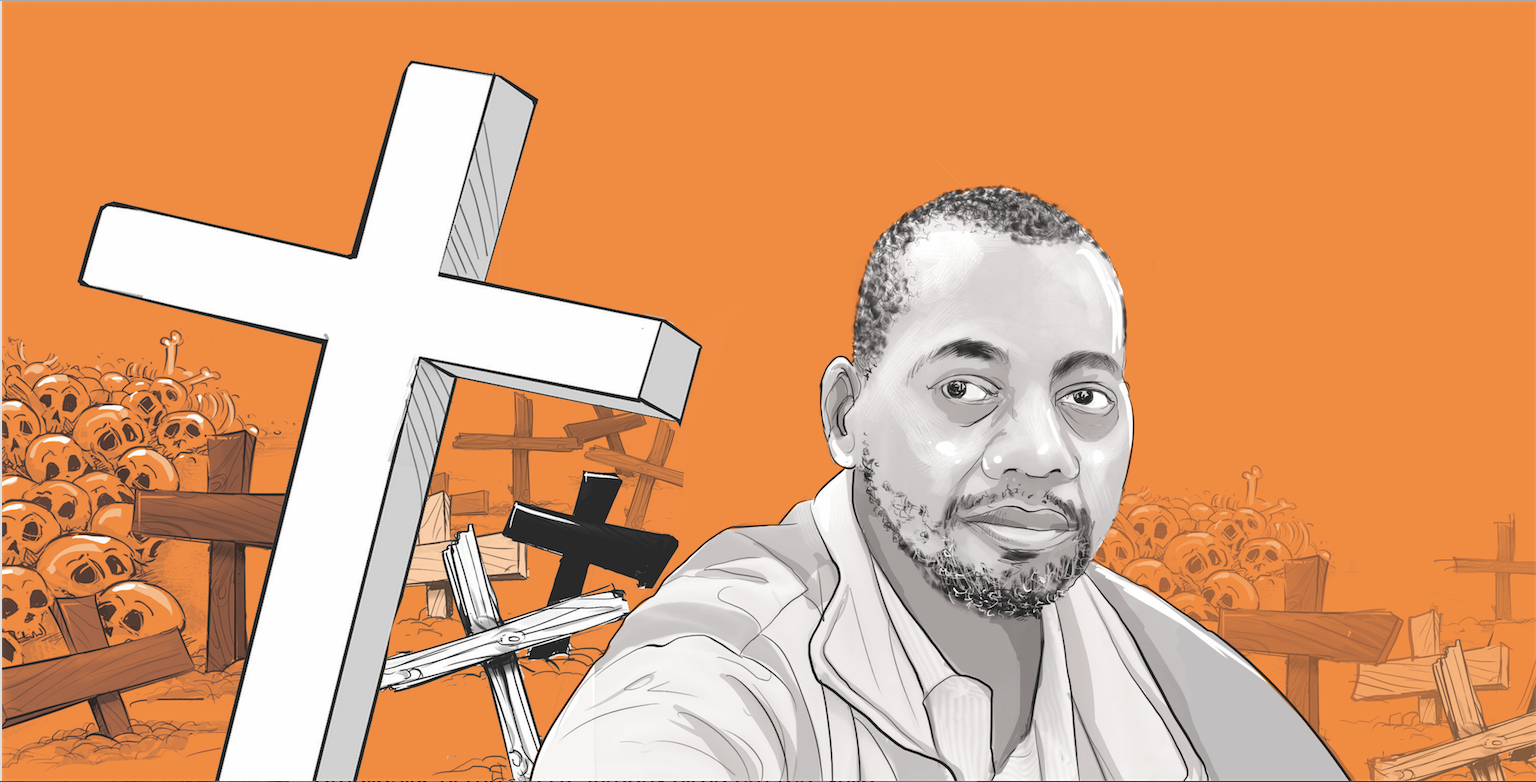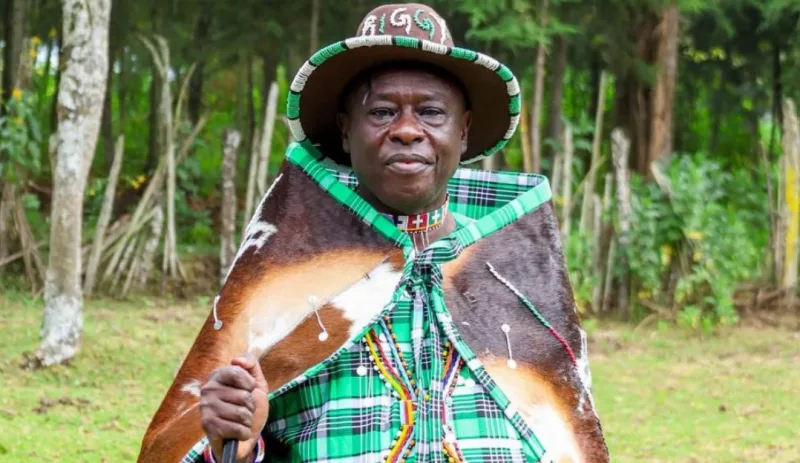
The murder trial of former Kasipul MP Ong’ondo Were is expected to continue, with a group of prosecution witnesses expected to take the stand as the High Court hearing continues in Kibera.
The Office of the Director of Public Prosecutions (DPP) has indicated that investigators have assembled a detailed chain of testimonial, documentary, and forensic evidence linking the accused persons to the killing.
Prosecutors told the court that the evidence has been carefully organised, with the alleged roles of each suspect categorised to help the trial court navigate what they described as a complex case.
Five accused—William Imoli alias Imo, Edwin Odour Odhiambo alias Machuani, Ebel Ochieng alias Dave Calo, Isaac Kuria, and Allan Ogola — are facing murder charges.
They all denied any wrongdoing.
The prosecution alleges that the group jointly murdered Ong’ondo Were on the night of April 30, 2025, at about 7:40 pm.
During a pre-trial session on October 29, 2025, the High Court issued key directions aimed at streamlining the proceedings.
Those directions were intended to ensure an orderly presentation of evidence and efficient conduct of the trial.
As the hearing resumes, the testimony of prosecution witnesses is expected to shed more light on the circumstances surrounding the late MP’s killing.
Gachagua’s impeachment case
A three-judge bench is today set to mention petitions challenging the impeachment of former Deputy President Rigathi Gachagua, following a Supreme Court ruling that cleared the way for the proceedings to continue.
The case had stalled as parties awaited the apex court’s determination on applications filed by Gachagua and the National Assembly.
The ex-DP had sought to halt the High Court process, strike out the National Assembly’s appeal, and expunge certain documents from the Supreme Court record, arguing that the appeal was improperly before the apex court.
On its part, the National Assembly had moved to the Supreme Court seeking to overturn the Court of Appeal judgment that faulted the empanelment of the High Court bench by Deputy Chief Justice Philomena Mwilu and to affirm the legality of the bench that heard the impeachment-related petitions.
In its ruling, the Supreme Court dismissed those requests, holding that its review was narrowly confined to the legality of the empanelment of the High Court bench and not the substantive merits of Gachagua’s impeachment.
The judges clarified that questions on whether the impeachment met constitutional and legal thresholds remain live issues before the High Court.
At the centre of the dispute is whether Deputy Chief Justice Philomena Mwilu acted within the Constitution when she empanelled a three-judge bench in October 2024 in the absence of Chief Justice Martha Koome.
At the High Court, the matter has been characterised by multiple interlocutory applications, including requests for recusal, compensation claims by Gachagua, and procedural disputes by interested parties.
The bench has previously declined to recuse itself and rejected attempts to derail the proceedings, noting that bench empanelment is an administrative function of the Chief Justice.
With the Supreme Court having dismissed the applications, the High Court is now expected to chart the way forward on the substantive impeachment petitions.