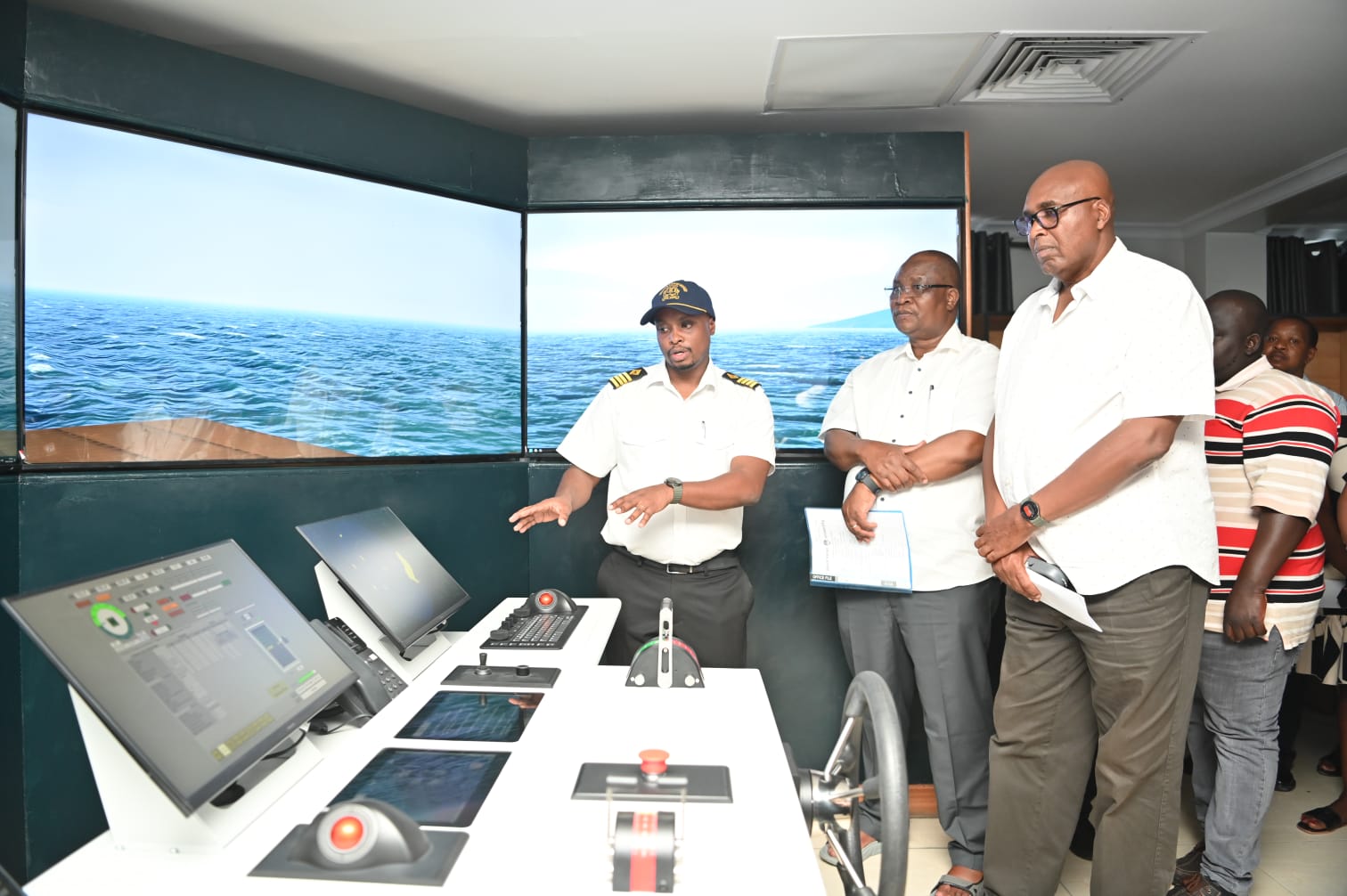
The Kenya Institute of Curriculum Development (KICD) said it is evaluating ways through which new subjects introduced at Senior Secondary School, including aviation and maritime and fisheries studies can be taught across all schools through adoption of cost-effective computer programmes that stimulate.
Prof Simon Gicharu, the chairman of KICD said there are considerations of investing in simulators in the form of computer software to expose young students to different fields at an early age.
Such a move, he noted, would also democratise certain subjects such as aviation that are currently seen as a preserve of a few schools.
Read Also
Aviation and maritime and fisheries are among the new fields of learning that have been introduced under the new Competency Based Curriculum (CBC), the skills focused system that is replacing the 8-4-4 system.
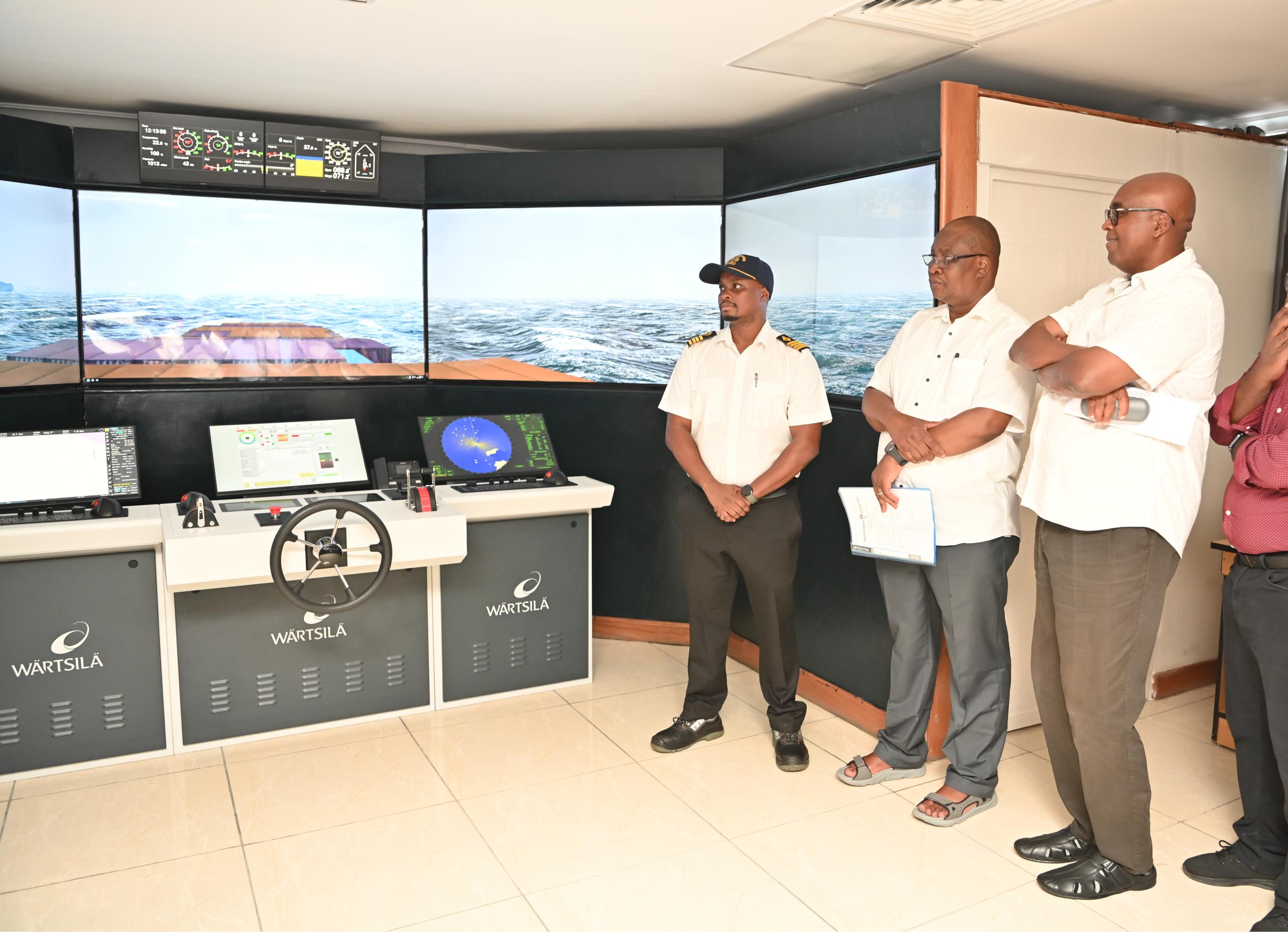
According to Prof Gicharu, who is also the founder and chairman of Mount Kenya University (MKU), use of technology in delivery of education levels the playing field, ensuring that regardless of a student’s background, they can master the same global competencies and secure jobs on international shipping lines.
“Our institutions are not endowed with resources and are held back because of the thinking that to offer courses such as aviation, you must have a decommissioned Boeing 737. This has meant that teaching aviation has remained a preserve of a few institutions,” he said.
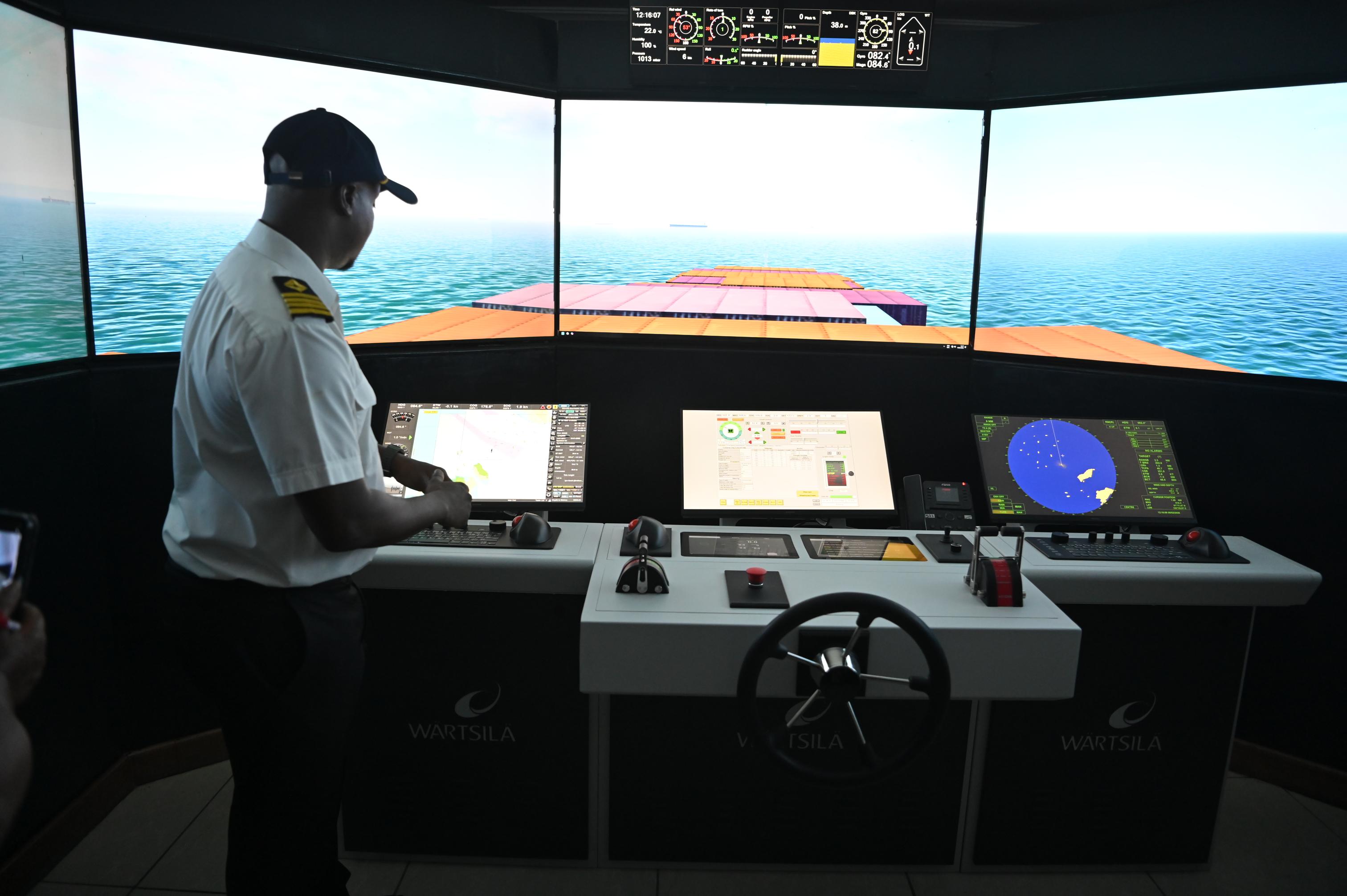
With simulation, you do not need a plane; you just need a small room that can be used as both a class but also have a simulator. For you to teach maritime studies, you do not need a ship, with simulation, you can do all that.
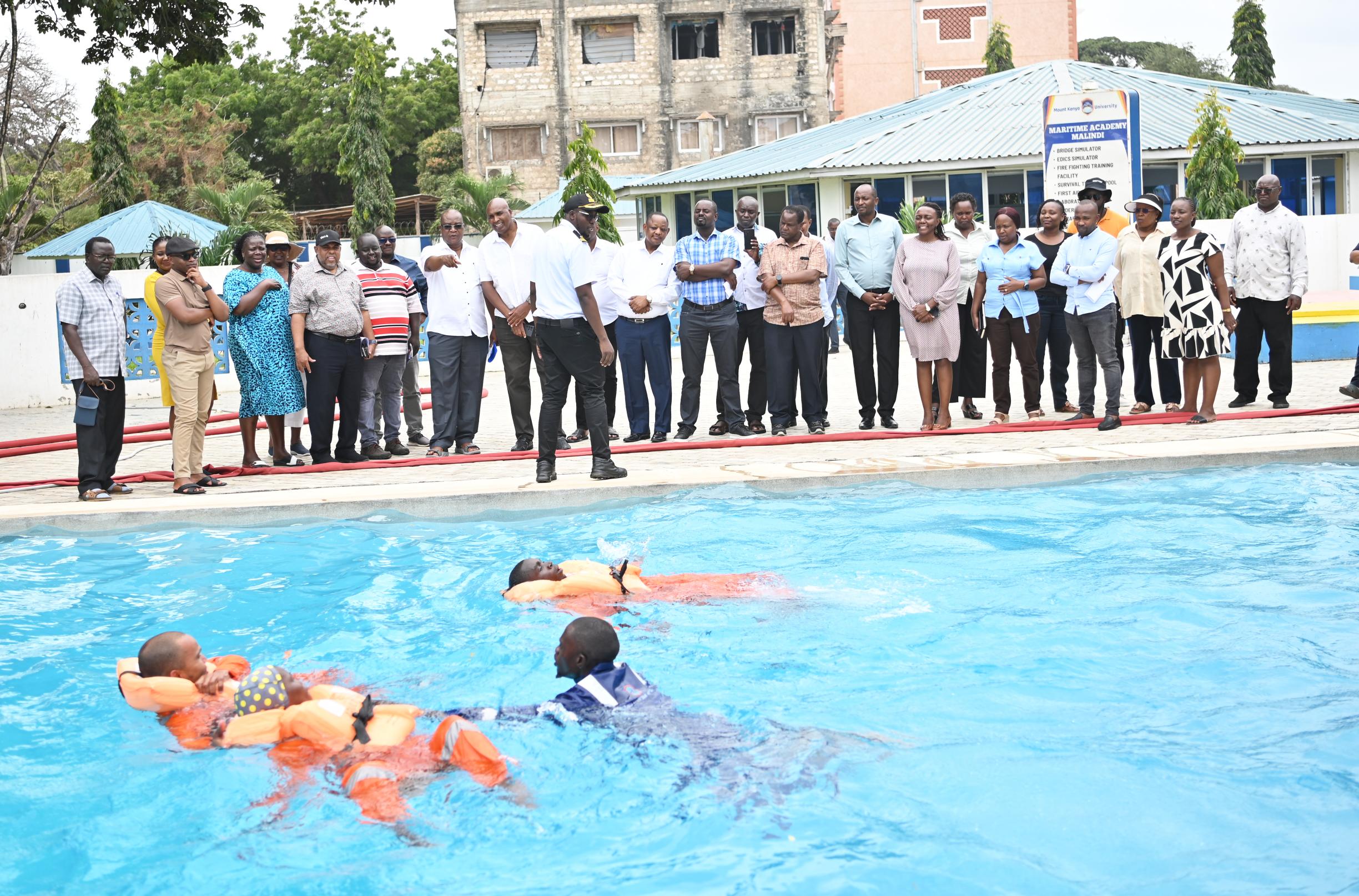
Prof Gicharu said KICD is looking at ways to work with other education sector stakeholders to introduce simulators in schools to enable them to teach such courses aviation and maritime studies.
“I have said that before our term at the KICD Council comes to an end, we want to have new thinking as to how our schools will be able to train some of these programmes that are a preserve of a few institutions. This is the way to go,” he said.
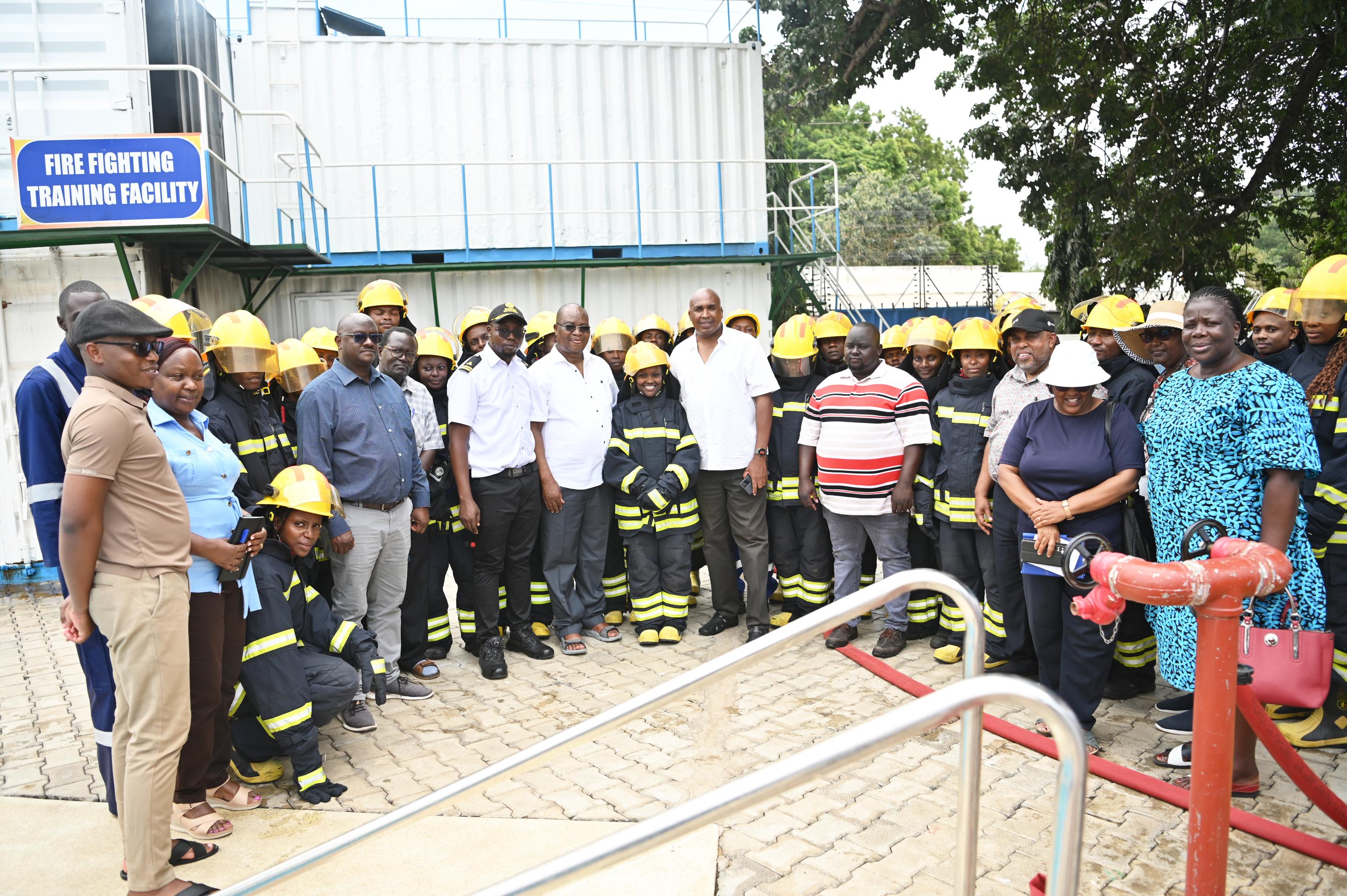
Prof Gicharu spoke when KICD Council Members toured the MKU’s Malindi Maritime Academy.
The academy, which was launched in September 2024, has emerged as a key institution in training seafarers, who have previously had to seek higher education in other countries.
Prof Peter Kirira, the Deputy VIce Chancellor Administration, Planning & Institutional Advancement at MKU said the university had invested heavily in maritime training and made the academy in Malindi one of a kind in the region.
“We are the only institution in East Africa to have such a simulator and other infrastructure that supports maritime training. We have invested over Sh30 million in the simulator,” he said.
“The programmes that we offer are aligned with IMO (International Maritime Organisation) and the local regulatory requirements… we have met the international market because our graduates do not necessarily work in Kenya but also on shipping lines.”
He further noted that maritime remained an untapped field in Kenya and is one of the fields that can help generate thousands of jobs for young graduates.
“The world is looking to Africa as a new frontier for maritime talent. The world needs manpower and Africa is at pole position to provide this manpower. This talent needs to be trained,” he said, adding that beyond training seafarers, the academy also trains other professionals working at ports and shipping lines including hospitality.
He also noted that the port of Mombasa is a hub for logistics in the region and requires talent, with the people's requirements expected to continue growing.

The delegation from KICD was led by chief executive officer Prof. Charles Ong’ondo who noted that there was a need to demystify subjects that have recently been introduced by the new curriculum such as maritime studies.
“The main philosophy of CBC is to ensure all learners’ potentials are nurtured. We are looking at producing engaged, empowered and ethical citizens,” he said.
“Some of the salient features of the reform are that there are untapped potentials. There are areas that still require personnel for whom we are not producing any personnel and are importing staff such as maritime industry. We have now introduced a subject in CBC called maritime and fisheries studies.”
“This subject has largely been misinterpreted by the public. People think it will require ships in schools to train children… to offer this subject is not as difficult as they anticipate and that there are many opportunities open for graduates of this programme.”
Ong’ondo said KICD would look at partnering with the Malindi Maritime Academy in its bid to increase awareness of the subject among teachers, the learners as well as their parents.
“Many of the schools that are offering maritime and fisheries studies will need to understand the subject better… I am looking at a lot of visits by KICD staff but also teachers and students from different schools but also professionals who can speak to the students,” he said.
Prof Gicharu also highlighted MKU’s collaboration with Abu Dhabi Maritime Academy.
“By working with Abu Dhabi Maritime Academy, we will equip our students with the skills and expertise required to thrive in the international maritime industry,” he said.
Through the partnership, MKU aims to play a pivotal role in advancing Kenya’s vision of harnessing the full potential of the Blue Economy by facilitating knowledge exchange and strengthening maritime training capacity.