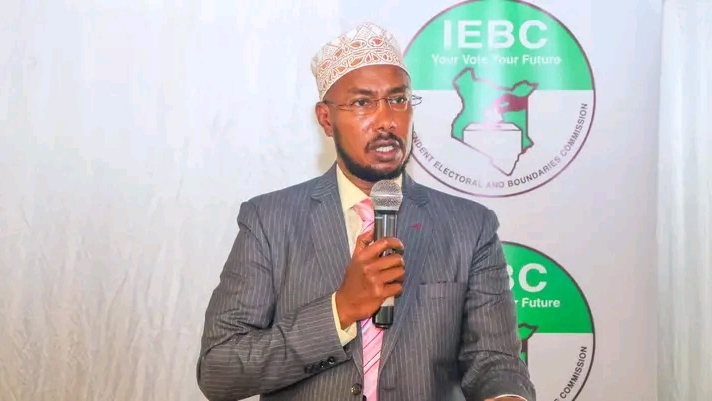
The sudden resignation of the Independent Electoral and Boundaries Commission’s CEO has sent shockwaves, leaving the country’s electoral arbiter rudderless at a time when it should be at its most robust.
Hussein Marjan, who had been at the helm of the secretariat since 2022, reportedly tendered his resignation on Tuesday.He cited personal reasons amidst what insiders describe as "untenable pressure." The timing could not be worse.
His exit follows the mid-2025 appointment of chairperson Erastus Ethekon, who was expected to provide a fresh start for the commission.
Instead, his departure as the commission’s accounting officercreates a technical vacuum that threatens to stall critical procurement processes.
The IEBC is currently preparing for several high-stakes by-elections scheduled for February 26, including the Isiolo South parliamentary race and several ward contests in Embu and Kakamega.
Analysts warn that a major reorganisation during an active mini-poll cycle is a recipe for administrative chaos.
Beyond the personnel crisis, the commission is drowning in a financial "black hole."
Ethekon recently revealed that while the commission requires Sh61.7 billion for the full 2027 electoral cycle, the National Treasury has been sluggish in its disbursements.
“Cuts to our budget and resources will significantly impact the upcoming elections,” Ethekon said during a presentation to MPs in Naivasha on January 27. “Adequate funding is essential to deliver a smooth and credible election for Kenyans.”
The commission is also grappling with an audited debt of Sh3.8 billion in legal fees dating back to 2013, which has made external counsel hesitant to represent the agency. Furthermore, there is a pressing need to replace more than 45,000 Kiems kits that are now a decade old, a project estimated to cost Sh7 billion.
Staffing shortfalls also persist, with a legal department of only four in-house counsel managing more than 100 disputes per cycle.
This raises questions on whether the agency can function with ‘skeleton staff’ or whether a quorum or full composition is required for decision-making.
In seeking to address these lapses, it is important to understand that the courts and tribunals have, in the context of past crises at the IEBC, been asked to rule on whether the commission can operate with vacant positions.
The consistent judicial position has been that the IEBC can legally perform its core functions as long as it has a quorum (typically a simple majority of its appointed members, as per its Act) and a properly appointed chairperson.
The courts have generally rejected the idea that every single commissioner position must be filled for the agency to be constitutionally operational, to prevent a paralysis of its essential duties.
While the appointment of Ethekon’s team last year restored a quorum, the IEBC Act requires a substantive secretary/CEO to oversee the secretariat.
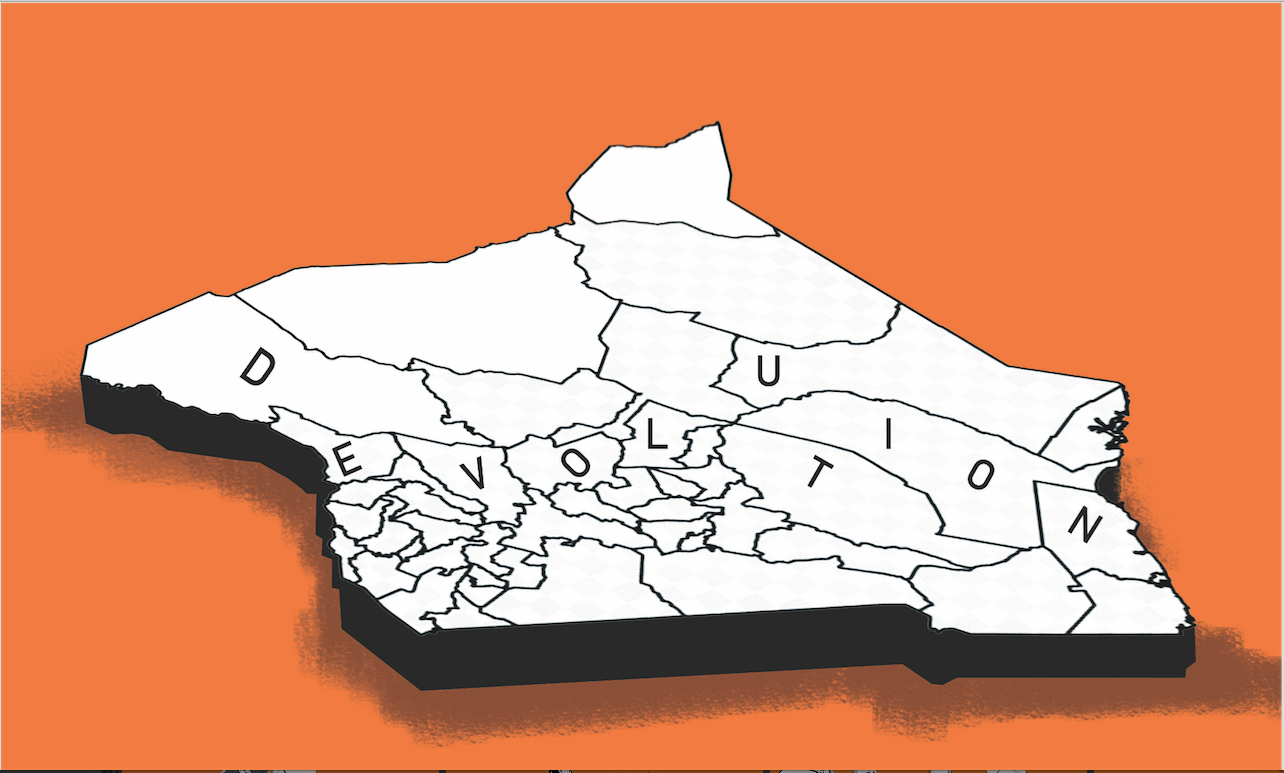
Furthermore, the commission is under fire for its failure to conduct the constitutionally mandated boundary delimitation.
Article 89(2) requires the agency to review the names and boundaries of constituencies at intervals of between eight and 12 years. With the last review having occurred in 2012, the commission is technically in breach of the law, as the 12-year limit expired in 2024.
“No new constituencies will be added or reduced ahead of 2027 due to numerous bottlenecks,” Ethekon said on January 27.
This admission has sparked fears of legal petitions that could challenge the validity of the 2027 boundaries.
To rescue the general election from the brink, constitutional experts suggest a three-pronged legal and administrative intervention.
First is the appointment of an acting CEO to ensure that the February by-elections and 2027 procurement cycles are not disrupted, as there is a risk of administrative paralysis since the secretary is the accounting officer.
The secretary is central to executing electoral operations, including procurement of election materials, managing budgets and overseeing logistics. Without an accounting officer (substantive or acting), the commission cannot legally execute contracts, approve high-value procurement for Kiema kits, or authorise the disbursement of funds for the February mini-polls.
Second, address the issue of funding. Deputy commission secretary Obadiah Keitany, during a budget policy hearing, requested the National Treasury and Parliament to adopt a multi-year budgeting approach for the 2027 poll.
"The commission would like the general election to be funded over three financial years, starting with 2025/2026 to cater for pre-election activities."
This plea for predictable and timely exchequer releases was to ensure the IEBC can conduct pre-election activities effectively, avoid last-minute spending surges and deliver a credible electoral process. The ultimate accountability for providing this funding rests with the government as represented by the Treasury and approved by Parliament.
Lastly, to build back public trust, the IEBC must launch an independent audit of its current technology and initiate the continuous voter registration exercise with transparency to avoid the "last-minute rush" that usually leads to system failures.
As it stands, the IEBC is a house under renovation while a storm is brewing. Unless the Executive and the Legislature move with speed to plug the funding gaps and stabilise the secretariat, the dark shadow over the 2027 poll will only grow longer.