Read Also
The committee on implementation of NADCO report and the
Ten-Point Agenda will have the first public hearing in Kisumu as it races to
complete its work by the March 7 deadline.
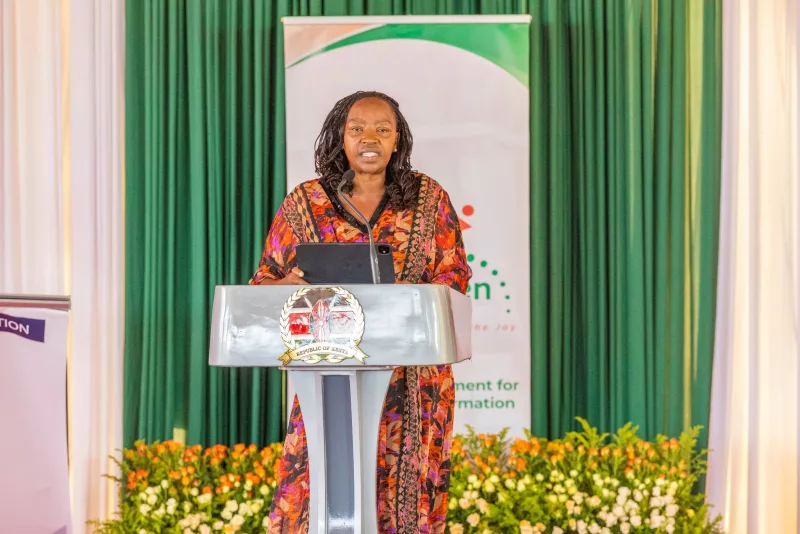
The committee, chaired by Dr Agnes Zani, is embarking on county-level consultations.
The Kisumu forum marks the beginning of a nationwide series of public engagements, after which the committee will compile and submit its final recommendations on the status of implementation of the NADCO report and the Ten-Point Agenda.
They seek to gather views from the public on progress made, existing gaps and priority actions needed to realise the governance, economic and social reforms agreed upon by President William Ruto and the late ODM leader Raila Odinga.
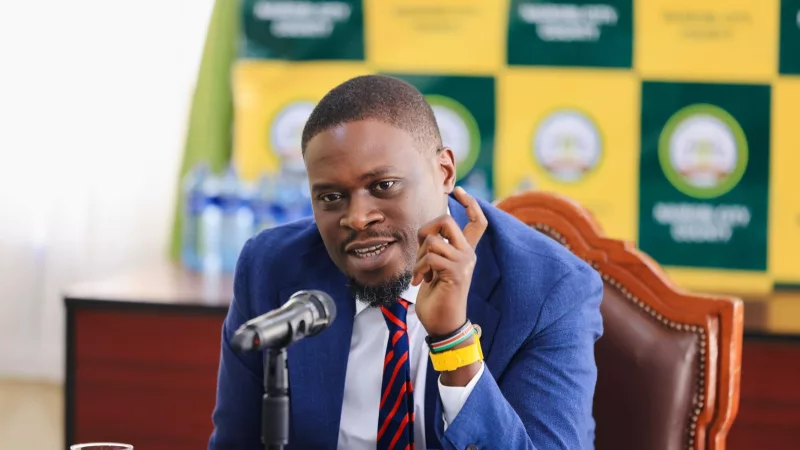
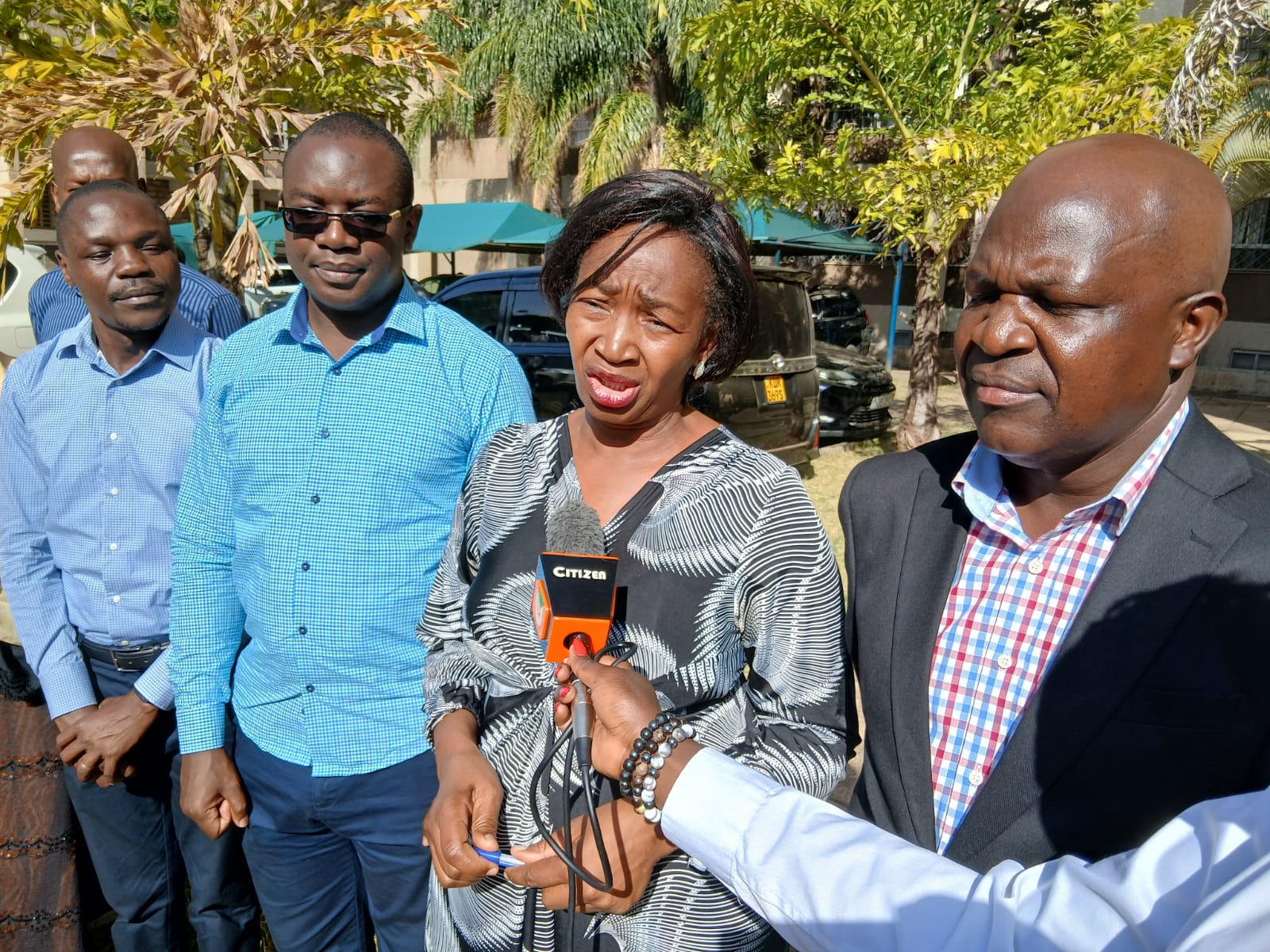
During a courtesy call on Kisumu Deputy Governor Dr Mathew Owili, Zani said the team’s mandate is to track the rollout of the NADCO report while directly engaging Kenyans on the Ten-Point Agenda.
The priority areas include inclusivity, protection of devolution, leadership and integrity, youth empowerment, safeguarding the right to peaceful assembly and the fight against corruption.
“As we engage counties, our focus is to identify gaps particularly around the protection of devolution and explore practical ways of addressing them,” she said.
Zani noted that strengthening leadership and integrity is key to combating corruption, while meaningful youth inclusion must combine both economic and social empowerment initiatives.
She announced that a public forum would be held at Mama Grace Onyango Social Centre in Kisumu to allow residents to submit their views.
She added that the committee is working closely with implementing agencies to evaluate progress and propose remedies where programmes have stalled, dismissing claims that the team has been inactive.
“We are on the ground, engaging county governments, stakeholders, implementing agencies and the public. Our objective is full implementation of the NADCO report,” Zani said.
Welcoming the committee, Owili said Kisumu’s selection as the first stop was symbolic, given the region’s long-standing role in shaping national political discourse.
“The NADCO report and the Ten-Point Agenda emerged at a time when the country was deeply divided, with the aim of fostering national cohesion,” Owili said, adding that sustained implementation was necessary to address grievances from across the political divide and enable the country to move forward together.
He identified corruption, inclusivity and the strengthening of devolution as persistent challenges requiring urgent action.
He also noted that victims of past post-election violence in the region were still awaiting compensation, an issue captured within the agenda.
Owili further commended President Ruto for supporting the process, urging leaders across the political spectrum to embrace initiatives aimed at national unity.
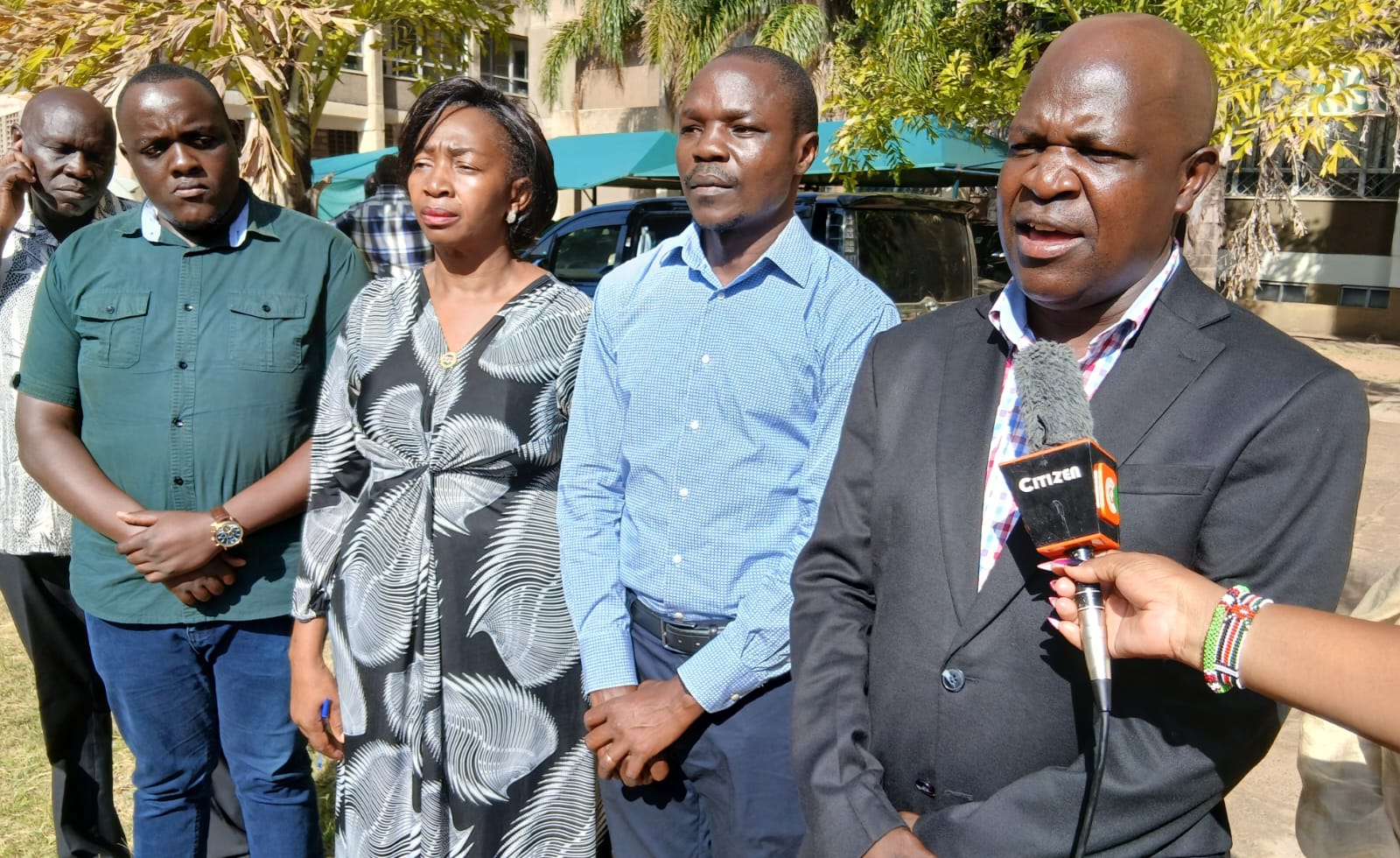
Committee member Javas Bigambo called on civil society organisations, the media and members of the public to actively participate in the hearings.
“We are seeking critical feedback and actionable recommendations to strengthen devolution, curb corruption and reduce wastage of public resources,” he said.
Another member, Gabriel Oguda, cautioned the public against relying on unofficial scorecards or reports circulating in the media, noting that COIN-10 is the only legally mandated body overseeing implementation of the Ten-Point Agenda.
“Anyone claiming to assess implementation outside this committee should be referred to us,” he said, adding that the final report would be ready by March 7.
Committee member Fatuma Ibrahim Ali defended the team’s work and criticised leaders she accused of undermining the process instead of mobilising the public to participate.
She took issue with remarks by ODM secretary general Edwin Sifuna, who has faulted the pace of implementation, urging him to present his views through the public forums.
“We are travelling across the country because we do not want to write a report from our offices. We want to hear directly from Kenyans,” she said.
COIN-10 Youth Representative Kevin Kiarie said the Ten-Point Agenda was designed to promote lasting national unity beyond electoral cycles.
“These issues go beyond 2027 and even 2032. Without unity, the Ten-Point Agenda cannot succeed,” he said.