Cosmetic surgery continues to gain global uptake, with both invasive and non-invasive procedures increasingly sought across age groups.
Medical professionals and international health bodies attribute this trend to social media exposure, celebrity influence and shifting beauty standards.
Read Also
According to the International Society of Aesthetic Plastic Surgery (ISAPS), more than 30 million cosmetic procedures have been performed worldwide in recent years. Surgical procedures such as liposuction, breast augmentation and rhinoplasty rank among the most common, while non-surgical treatments including Botox injections and dermal fillers account for a substantial share of the total.
Enjoying this article?
Subscribe for unlimited access to premium sports coverage.
View Plans
“Aesthetic procedures are no longer limited to a specific age group or demographic,” ISAPS notes in its global assessments.
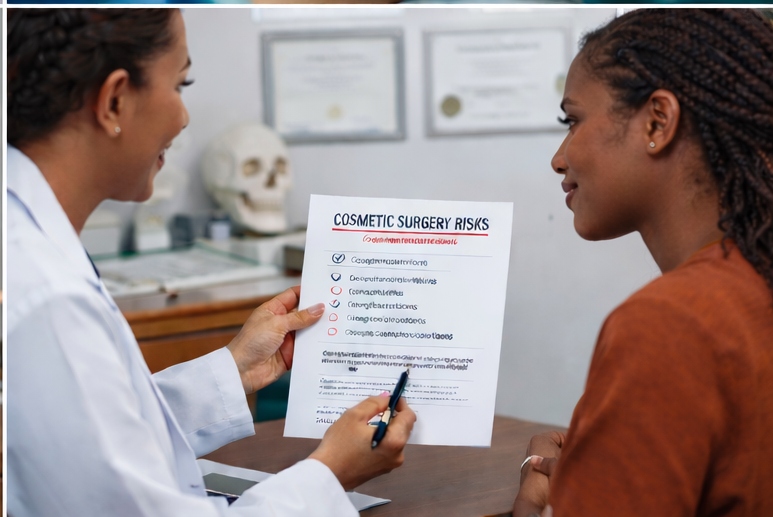
Procedures and Associated Risks
Health authorities continue to emphasise that cosmetic procedures, whether surgical or non-surgical, remain medical interventions with recognised risks.
The World Health Organisation (WHO) has identified several potential complications associated with cosmetic surgery, including:
- Infections and delayed wound healing
- Adverse reactions to anaesthesia
- Excessive bleeding or scarring
- Nerve damage or loss of sensation
- Psychological distress following unsatisfactory outcomes
“These procedures are medical interventions and should be treated with the same level of caution as any other surgery,” WHO guidance states.
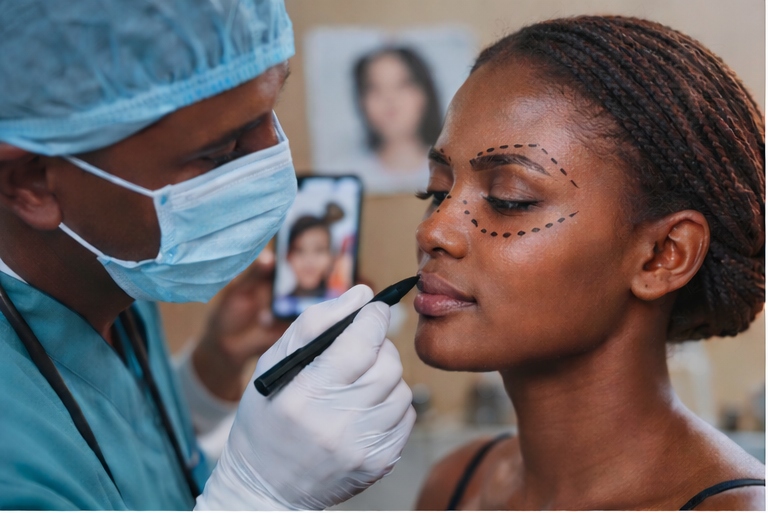
Influence of Social Media and Popular Culture
Medical researchers have linked the rising demand for cosmetic surgery to digital platforms that prioritise visual content. Peer-reviewed studies indicate that filtered images, cosmetic endorsements and celebrity transformations contribute to body image dissatisfaction, particularly among young adults.
A 2023 study referenced by ISAPS found that patients under the age of 35 represent a rapidly expanding segment of cosmetic surgery clients. Many respondents cited online trends and social media imagery as key motivating factors.
“Patients often arrive with reference images sourced from social media, expecting identical results,” a board-certified plastic surgeon told the British Medical Journal (BMJ).

Regulation, Screening and Aftercare
In the United Kingdom and several other jurisdictions, cosmetic surgery is subject to licensing and professional regulation. However, medical associations have raised concerns over unregulated clinics and the growing popularity of medical tourism.
The Royal College of Surgeons has urged patients to verify practitioner qualifications and clinic accreditation before proceeding with any procedure.
Professional bodies also recommend psychological screening to assess patient expectations, alongside structured post-operative care and long-term follow-up.
As global demand continues to rise, health organisations maintain that informed consent, qualified practitioners and transparent disclosure of risks remain central to patient safety.





Comments 0
Sign in to join the conversation
Sign In Create AccountNo comments yet. Be the first to share your thoughts!