
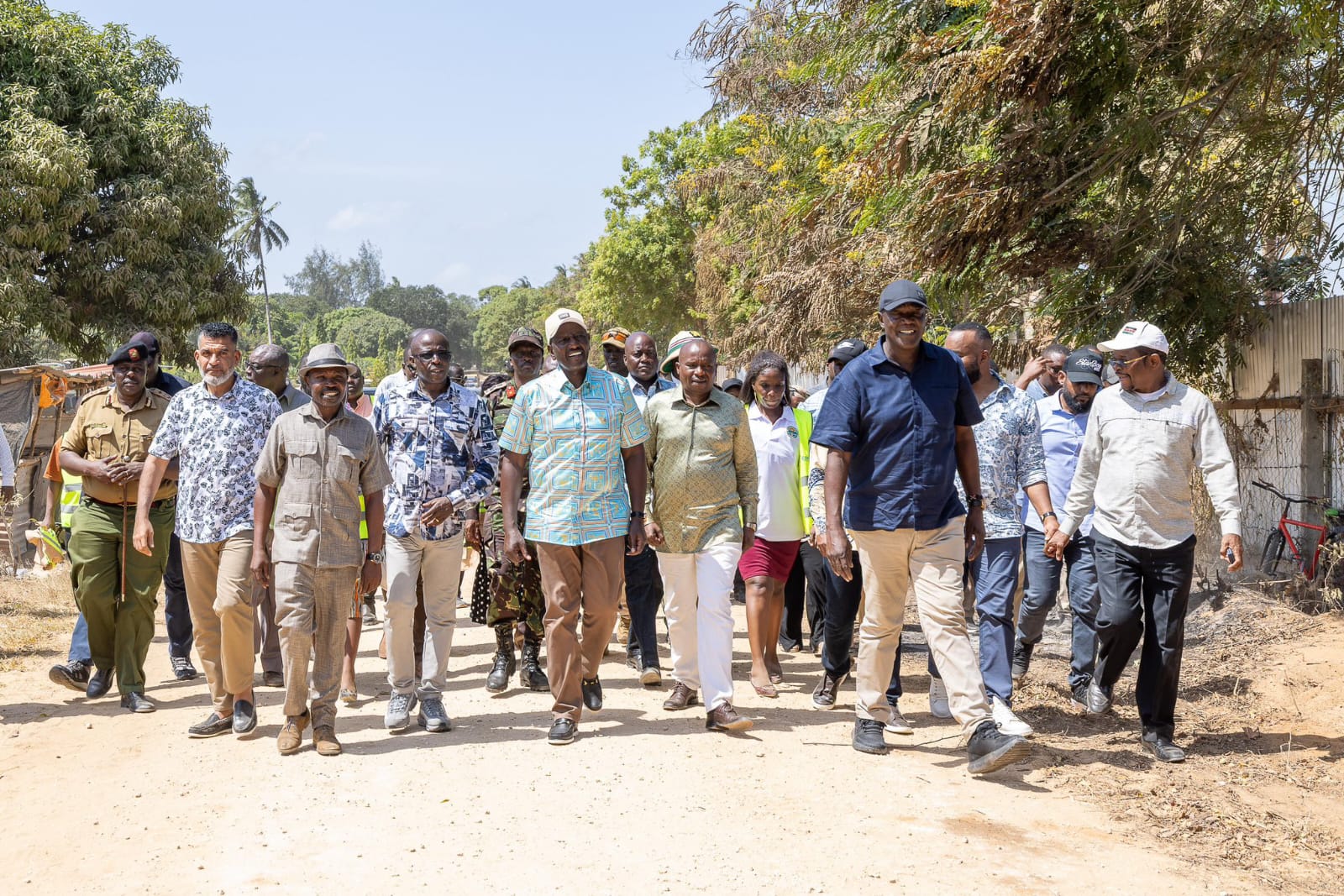
 President Wiliam Ruto in Malindi, Kilifi county /HANDOUT
President William Ruto and other government officials on Thursday paused formal proceedings to share a meal at a local ‘kibanda’ known for affordable food in Malindi, Kilifi county.
The President was in Malindi for the disbursement of the Nyota Business Start-Up Capital funds.
He was welcomed at the kibanda with songs and applause by residents.
The action has sparked mixed reactions online, with some calling him out for doing it to attract votes since the general elections are around the corner.
Some of the president's supporters, however, defended him saying he understands common 'mwananchi' and he did that willingly as per his slogan of bottom up.
The President was at Buntwani Waterfront Park overseeing the disbursement of Nyota start-up capital grants to young entrepreneurs from the Coast, including Kilifi, Lamu, and Tana River counties.
A total of Sh160 million was allocated for more than 5,000 youth beneficiaries, with each entrepreneur receiving Sh25,000 in the initial phase of the programme.
Of this amount, Sh22,000 was credited directly to their business support wallets, while Sh3,000 was deposited into Haba na Haba savings accounts under the National Social Security Fund (NSSF).
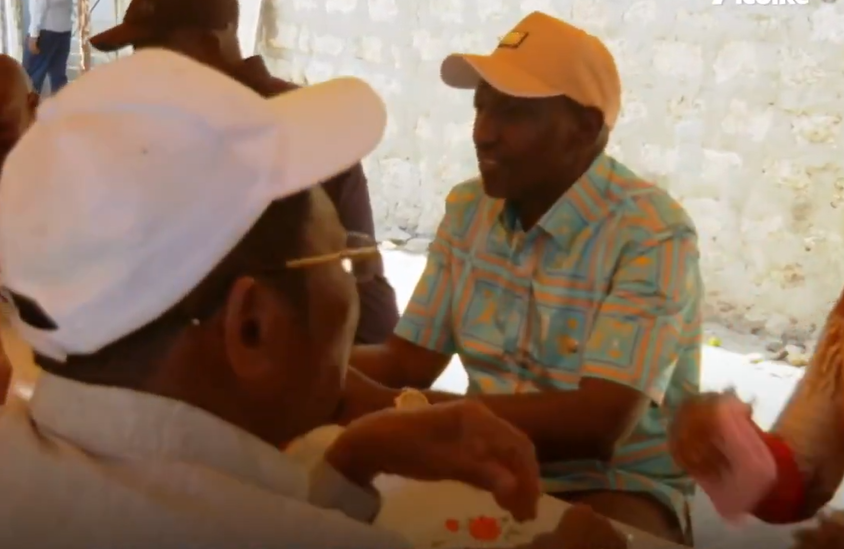 President Ruto at a Kibanda in Malindi, Kilifi county /SCREENGRAB
Videos circulated on social media showed Ruto seated next to residents, engaging in light conversation with customers.
In his remarks earlier at the Nyota disbursement forum, Ruto emphasised that his government is “delivering on the plan” to empower young people with tools for entrepreneurship and economic independence.
He challenged youth not to be deterred by limited formal education and to take full advantage of the opportunities provided through the Nyota Project.
The programme combines financial support with business skills training, which beneficiaries completed prior to the disbursement.
Ruto’s engagement with locals at the kibanda offered a grassroots narrative to accompany the larger policy rollout reinforcing government messaging on inclusive development and interaction with ordinary citizens.







