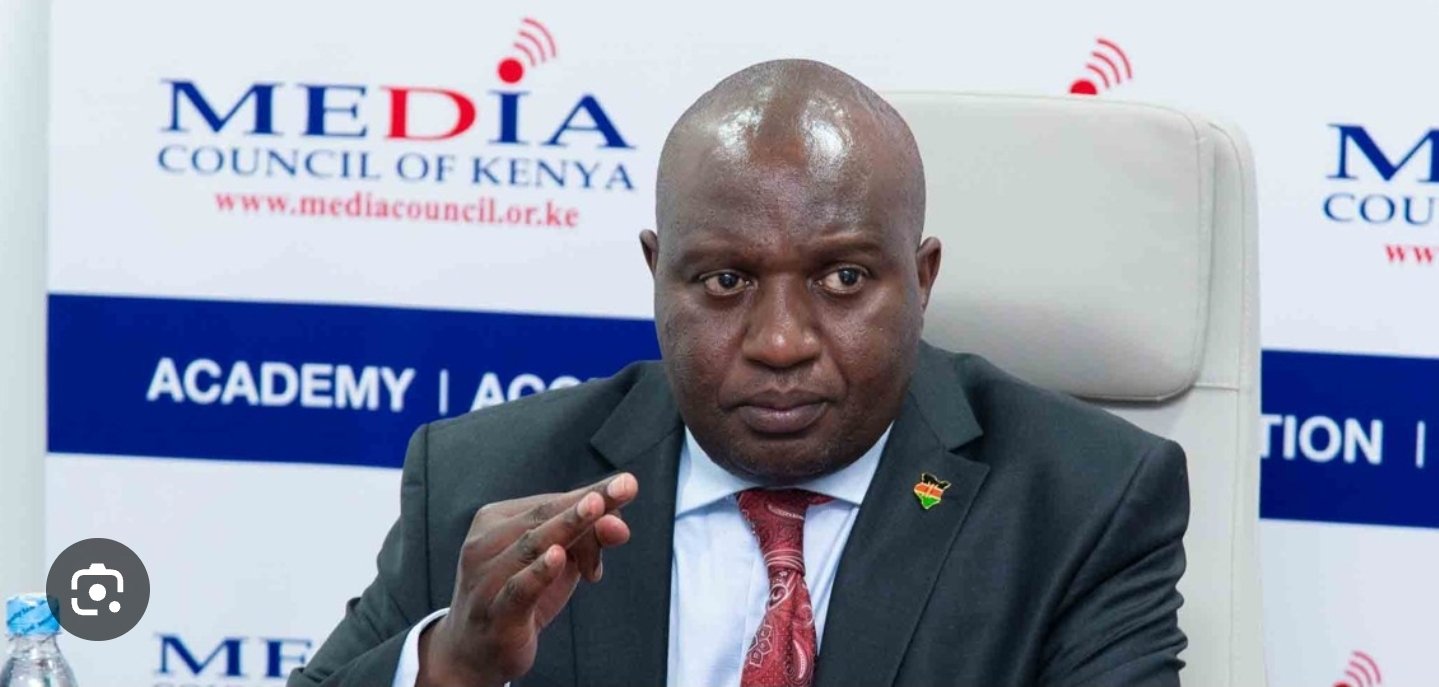
 Media Council of Kenya CEO David Omwoyo/HANDOUT
The Media Council of Kenya has issued a media advisory warning against the use of unregistered individuals presenting themselves as experts in nutrition and dietetics, citing risks to public health and potential legal consequences for media organisations.
In a statement released on Friday, February 6, 2026, the Council said it had received a formal advisory from the Kenya Nutritionists and Dieticians Institute (KNDI), the statutory body mandated to regulate the nutrition and dietetics profession.
The advisory raises concern over the growing practice of engaging commentators whose professional credentials have not been verified.
According to the statement, the regulator has “formally condemned and disowned” information recently aired by a media outlet about ugali.
The content was attributed to an individual described as a nutrition expert, whose registration status has since been questioned.
The Council said investigations into the matter have already commenced under the provisions of Cap 253B.
It warned that inaccurate or misleading health information poses serious risks to the public and undermines professional standards in journalism.
“The Institute, which is mandated by Parliament to set standards and ensure quality on all matters of nutrition and dietetics, has noted that several media enterprises are engaging ‘experts’ to speak to the public without consulting the regulator on their qualifications," the statement said.
Media organisations have now been directed to exercise due diligence when sourcing expert opinion on nutrition and dietetics.
They have been advised to consult the relevant professional body to confirm whether potential guests are duly registered before allowing them to provide expert commentary.
“Effective immediately, media enterprises are hereby advised to engage duly registered persons” on matters of nutrition and dietetics, the advisory said.
The Council further cautioned that engaging non-registered individuals violates Sections 33 and 36(b) of the Nutritionists and Dieticians Act. Such violations, it noted, “may lead to unnecessary litigation against both the purported expert and the media enterprise”.
In addition to legal exposure, the advisory underscores the ethical responsibility of the media to provide accurate and professional health information.
The Council encouraged media houses to rely on official verification channels to ensure compliance with professional and legal standards.
The Media Council reaffirmed its commitment to promoting press freedom while emphasising the need for responsible journalism, particularly on matters that directly affect public health and wellbeing.