By noon, our compound felt like a mini harambee. Plastic chairs appeared from nowhere, someone’s radio blasted congratulatory gospel tunes, and every auntie within a three-house radius wanted to shake my hand and say, “Sasa uko set for life.”
I smiled, nodded, accepted sodas—and quietly wondered how to explain that my degree came with a bill big enough to cause heartburn at 22.
Somewhere between the ululations and the WhatsApp statuses was the number that actually mattered: my student loan balance. Student debt, for anyone lucky enough to avoid it, is the price tag attached to the promise that education will save you. It is the money borrowed to pay for tuition, housing, books, fees and the invisible costs of staying afloat while studying.
In Kenya, for many Gen Zs, that debt often comes through Helb, supplemented by family sacrifices and side hustles. It creeps up quietly. One semester turns into four years, and suddenly you are graduating not just with a degree, but with a repayment schedule that starts before your career does. Millions of Gen Zs globally, and thousands locally, are stepping into adulthood already owing money. Educated, yes. Free? Not quite.
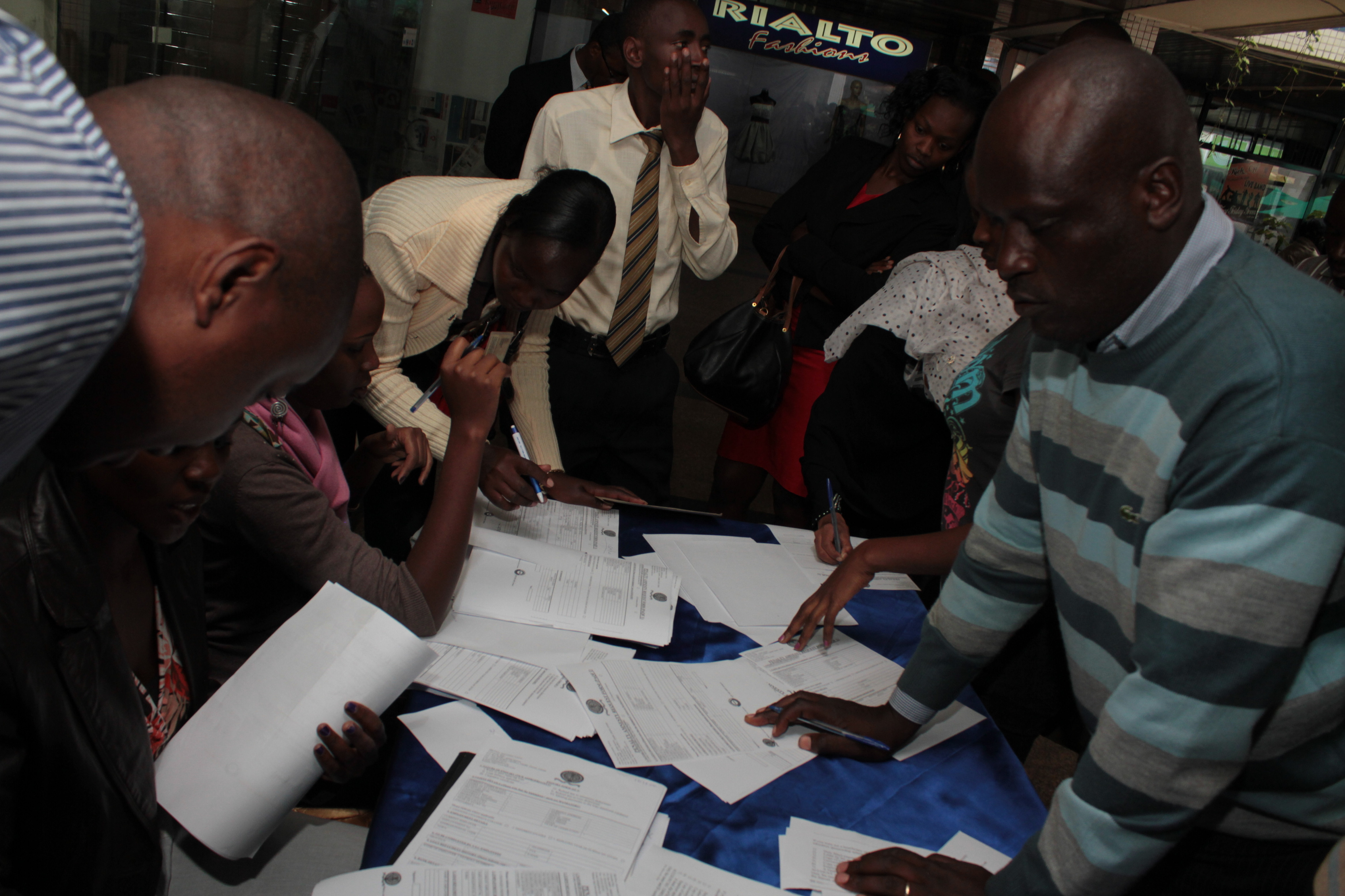
Here’s the paradox though: Helb cries about billions lost to defaulted loans. The board itself flagged Sh33 billion in non performing loans as of mid 2025, with hundreds of thousands of graduates listed as defaulters.
This paints a picture of debtors skulking in the shadows. But look closer and some of these “defaulters” are remuneratively employed. They’re drawing salaries, running businesses, even paying taxes — and somehow they still manage to dodge repayment. The system doesn’t explain how, and frankly, it feels like it doesn’t want to. It’s as if the rules exist mostly to stress out young graduates while others get a quiet hall pass.
I remember my first loan application vividly. I was 19, seated at a cyber café because the home Wi-Fi was unreliable, filling out forms I barely understood.
The figures felt theoretical, like Monopoly money. I told myself I would get a “good job” quickly. I told myself Nairobi rewards ambition. I told myself future-me would figure it out.
Future-me is now calculating bus fare versus walking distance and wondering when instant noodles became a food group.
Now that campus is behind me, the debt feels very real. It shows up when friends suggest brunch in Westlands and I suddenly “have errands”. It shows up when my M-Pesa balance hits zero three days after a stipend from my parents. It shows up when relatives ask, “Umeanza kulipa Helb?” in the same tone used to ask married couples about babies.
Debt does not just eat your money; it eats your options. You begin choosing survival over dreams, stability over curiosity.
DIFFERENT PATHS
There is always someone who makes it work, and that story is often used to end the conversation. Emily Apiyo, 27, studied actuarial science and landed a stable job before graduation. She stayed home to avoid rent and aggressively paid off her loan. “I lived like a broke campus kid even after getting paid,” she told me. “No trips, no fancy phones; I treated my debt like an annoying ex.”
By 25, she was debt-free, planning investments and considering graduate school abroad. Her story is valid and impressive.
Then there is 24-year-old Jordan Kamau, and this is where the gap shows. Jordan studied sociology. He completed internships, volunteered, networked and still graduated into a job market that applauds passion but pays in exposure.
His Helb deductions barely reduce the interest. “I’m not even paying it off,” he told me. “I’m just maintaining it, like keeping a sick patient alive but never healed.”
While Apiyo is choosing stocks, Kamau is choosing which bill can wait this month. Same generation. Same country. Very different outcomes.
That difference is not about effort. It is about how the system values work. Kenya tells young people education is the way out, then quietly decides only certain degrees deserve a living wage.
Tuition keeps rising, jobs keep demanding experience most graduates do not have and debt becomes the penalty for believing the promise. Gen Zs entered adulthood amid pandemics, layoffs, inflation and a cost of living that mocks entry-level salaries.
Critics often say, “You knew what you were signing up for.” But did we? Or did we sign up at 18, fresh from KCSE, being told university was the only respectable path? Did we understand that interest would grow faster than opportunity?
Personal responsibility matters, but so does institutional accountability.
SHACKLED AMBITIONS
I am not arguing that loans should disappear. I am saying the current setup is unsustainable. Education should not feel like a lifelong repayment plan. When debt determines who can afford to pursue purpose, start businesses or even move out of their parents’ homes, society narrows.
Some days I joke about my student debt the way Kenyans joke about KPLC: constant, unpredictable and always waiting to surprise you. Other days, the weight is heavier.
What helps is knowing I am not alone. My generation is no longer just swapping memes. We are swapping Helb balances and repayment stories like veterans comparing scars.
I do not know exactly how I will dig myself out. I know it will take time, discipline and more patience than I expected at this stage of life. But I do know this: Gen Zs are done pretending this is normal. If learning is meant to build the future, it should not come with chains attached.