The first time I noticed classism among Gen Zs wasn’t in a lecture about inequality or a fiery X thread about capitalism.
It was in a WhatsApp group chat on a random Tuesday afternoon. Someone had posted a photo of a guy from campus walking past the library. The photo zoomed in on his shoes—slightly worn sneakers that had clearly seen better days.
Within seconds, the comments started flying.
“Those shoes have survived three governments,” someone joked.
Another message popped up, “If you’re still wearing those in 2026, just admit life is hard.”
People were reacting with laughing emojis like it was the funniest thing they’d seen all week. I stared at my phone thinking, wait…aren’t we the same generation that floods Instagram stories talking about social justice?
That moment stuck with me because it perfectly captured something I had been noticing more and more among people my age: classism, but dressed up in memes, jokes, and subtle social cues.
Classism, at its core, is the belief that people’s value is tied to their economic or social class—how much money they have, where they live, what their parents do for a living, what brands they wear. It’s the quiet ranking of people based on wealth.
In a country like Kenya, where inequality is impossible to ignore—from gated estates in Karen to informal settlements just a few kilometres away—class has always shaped opportunity. What’s surprising is how comfortably those divisions are showing up among Gen Zs, a generation that prides itself on being “woke.”
Maybe I’m sensitive to it because of how I grew up. My childhood was full of people who worked ridiculously hard just to stay afloat. My uncle drove a matatu on the Ngong route, starting work before sunrise and getting home long after dark. My neighbour sold roasted maize by the roadside and somehow still managed to feed half the neighbourhood kids whenever we passed by.
Those people had very little money, but they had more dignity than some of the wealthiest people I’ve met.
The tension really hit me when I started spending more time around my campus friend group. One evening, a group of us were deciding where to eat after a long day of classes. Someone suggested a trendy restaurant in Westlands—the kind where the burgers cost more than a week of groceries.
I hesitated. My budget was already hanging on by a thread.
When I suggested we try a cheaper café near campus, one guy laughed and said, “That place is for broke students.”
Broke students. As if that wasn’t literally most of us.
I laughed along awkwardly, but inside I was calculating whether I could survive the rest of the week on smokies.
The strange thing about Gen Zs is that we talk endlessly about inequality online. Scroll through TikTok or X for five minutes and you’ll see people passionately discussing capitalism, generational wealth and systemic injustice. But offline, the same conversations often disappear when status enters the room.
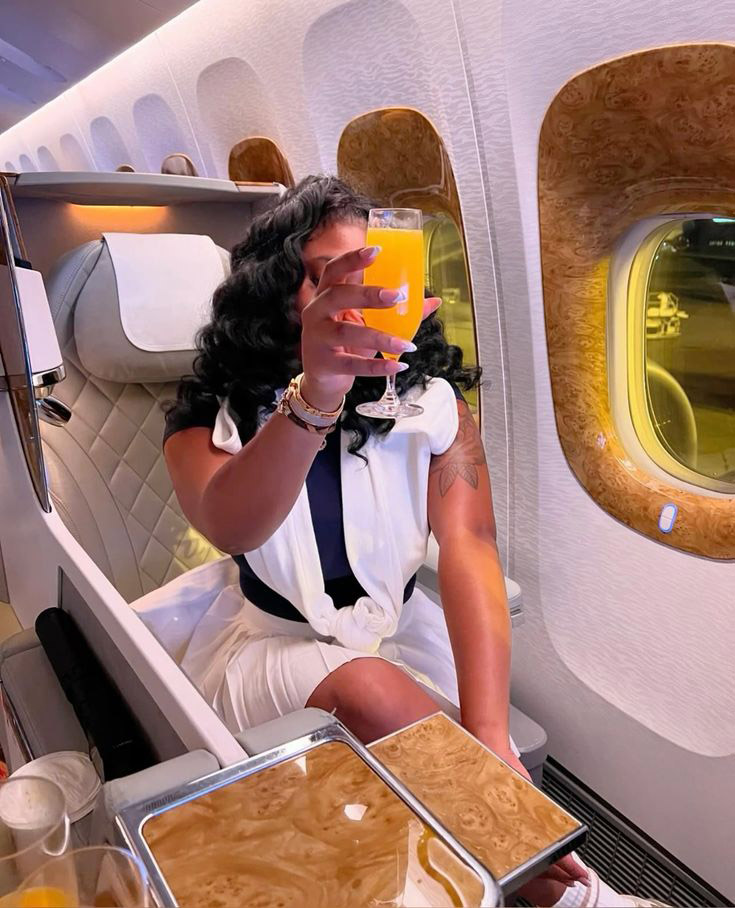
Suddenly, it’s about who has the newest iPhone. Who shops at Two Rivers. Who vacations in Zanzibar instead of visiting ushago.
One afternoon, I overheard a conversation that perfectly captured the divide. Brian Mwangi, 22, shrugged and said, “It’s not classism—it’s just reality. People shouldn’t be judged for wanting to associate with people who have the same lifestyle as theirs.”
Across the table, Amina Hassan, 25, shook her head immediately.
“Judging someone’s worth by their bank account is the most outdated mindset ever,” she said. “You don’t know what people are going through.”
Those two sentences summed up the debate playing out across our generation.
Sociologists often point out that Gen Zs are coming of age during a period of massive global wealth inequality. When opportunities feel scarce and economic pressure is high, people start using visible symbols—phones, clothes, neighbourhoods—to signal where they stand. Status becomes a language.
But here’s what bothers me: the assumptions that quietly follow. The idea that someone working a service job must lack ambition. The belief that someone from a poorer neighbourhood must be “less exposed.”
Like human beings come with price tags.
One of the most humbling experiences I’ve had was working a short-term job during a long holiday. I spent weeks packing boxes in a warehouse with people twice my age who were supporting entire families.
During lunch breaks, we’d sit on plastic chairs eating cheap food and talking about life. One guy told me he used to be an engineer before layoffs forced him to start over. Another was saving every extra shilling to send his daughter to university.
Those conversations permanently changed how I see “status”.
Because class isn’t a personality trait. It’s a circumstance.
Gen Zs have the potential to be one of the most socially aware generations Kenya has ever seen. We talk openly about inequality, fairness and systemic barriers. But if we’re serious about those values, we also have to examine our everyday behaviour—the jokes we laugh at, the people we dismiss, the assumptions we make.
That guy with the worn-out sneakers in the WhatsApp group chat?
I later learned he was working two jobs while studying full time.
Suddenly, the joke didn’t feel funny anymore.
It just felt small.