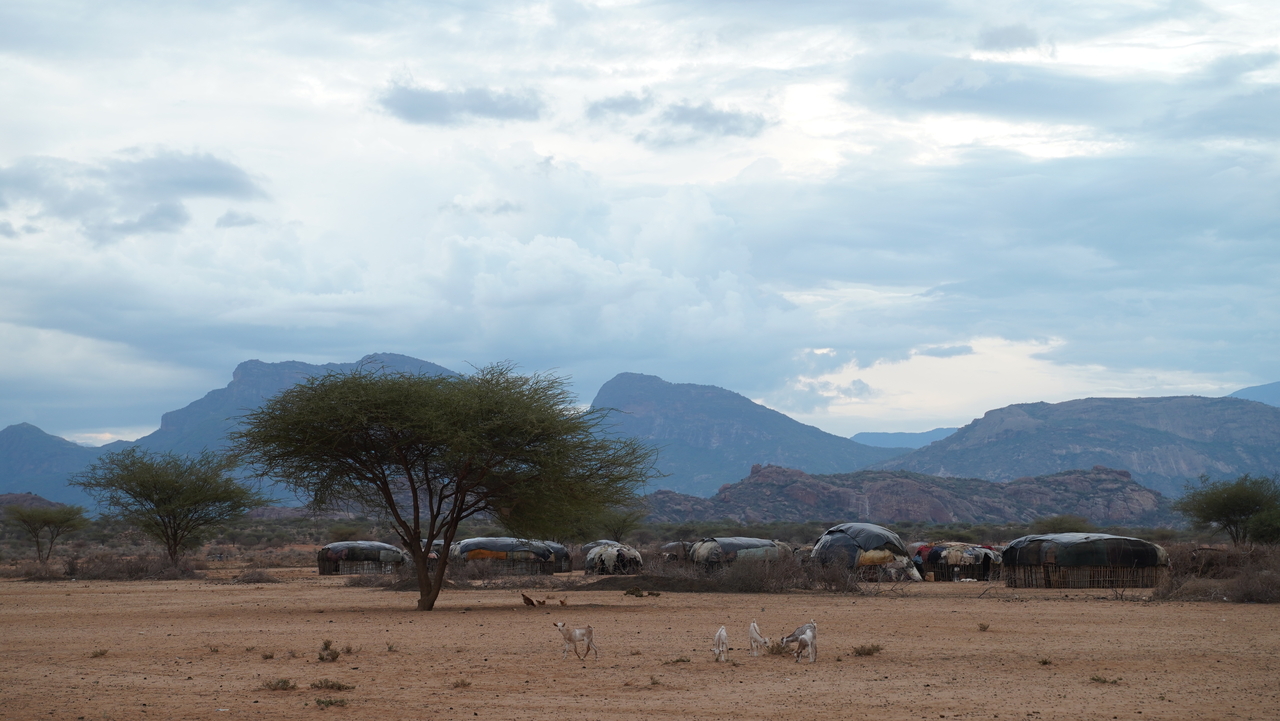
On the rocky slopes of Mount Kulal in Marsabit county, the childhood of Teresa* (not her real name) was shaped by the sound of goat bells while tending to her family’s goats and sheep under the scorching sun.
Going to school was a dream and something she watched other children do from a distance. But her life was laid out differently. She was expected to be a pastoralist and get married at a young age. But school? Not an option.
This is not just about Teresa. In Northern Kenya, education is often forced to compete with survival, culture and insecurity. Girls are withdrawn from school and prepared for early marriage, while boys are sent to herd livestock, a responsibility that gradually transitions into Moran hood, whereby teenage boys are expected to protect communities from livestock raids and intercommunal violence.
In Marsabit county, these realities continue to lock thousands of children out of classrooms.
“Education here is not a priority. Upholding long-standing traditions is what matters,” says John Ogom, a community leader and headteacher at a local public school in Marsabit.
Ogom has spent years rescuing children in the region from early marriage and child labour to keep them in school.
This desire, which he termed his calling, was fuelled by the fact that he was the first person in his entire family to study up to college level, and with that privilege, he chooses to help others follow the same path.
“Teresa, my stepsister, saw what I was doing in the community and told me, ‘Fight for me like you are doing for the rest. Buy me shoes and take me to school,’” Ogom recalls.
COMMUNITY’S RESISTANCE
Despite his efforts, the journey has not been easy for Ogom. He has faced death threats and backlash from the very community he tries to empower. He is often accused of breaking families and systems in the name of taking children to school. But the challenges have never been a discouragement for Ogom.
One of the most traumatic experiences is the death threats he faced while rescuing Teresa from early marriage. Not once, not twice. Teresa’s parents had attempted multiple times to marry off their daughter to an old man, yet she was below 12 years of age.
Ogom has saved more than 100 children from five different villages in Marsabit. While the intentions are good, it all becomes a financial burden to him because these children come hungry, traumatised and in need of basic needs. He always has to dig deep in his pockets to assist, even though the salary he earns is never enough.
Jesse Wanyonyi, a social worker in Marsabit region as well, rescues children, mediates with families and supports them financially.
“The government has neglected these communities,” he says. “If we do not step in, these children disappear and their lives are compromised.”
He says the few schools that are in the region have become rescue centres, while teachers and social workers double as parents and providers. And while some NGOs offer food aid and basic supplies occasionally, Wanyonyi argues that charity alone is not enough.
“People need empowerment,” he says. “Mentorship, trauma counselling, economic support.” He adds that many parents and children have lived through hardship. They need their thinking rewired, but one cannot do that without investing in them.
“The government needs to build schools, come up with workshops and training centres where these people can be empowered economically and learn how to make money so they can fend for themselves,” Wanyonyi says.
The sense of abandonment is not new. Former Deputy President Rigathi Gachagua recently attributed Northern Kenya’s underdevelopment to poor leadership and corruption in the region. However, the remarks sparked backlash and were viewed by critics as divisive.
For decades, Northern Kenya has been excluded from national development planning despite increased resource flow. It’s treated largely as a security frontier rather than a development priority. Infrastructure investment lags behind the rest of the country, and access to education remains limited.
Ogom believes the answer lies beyond leadership alone.
“You cannot undo generations of exclusion without deliberate, sustained investment,” he says. “We are still pushing for a better future while paying the price of being forgotten.”
Today, Teresa and many others who were rescued are back in school, building a future that will have a lasting positive impact. Their survival in the education system has not depended on government systems but on personal sacrifice.
The question it begs is: How long can individuals keep filling a gap that should be served by the state?