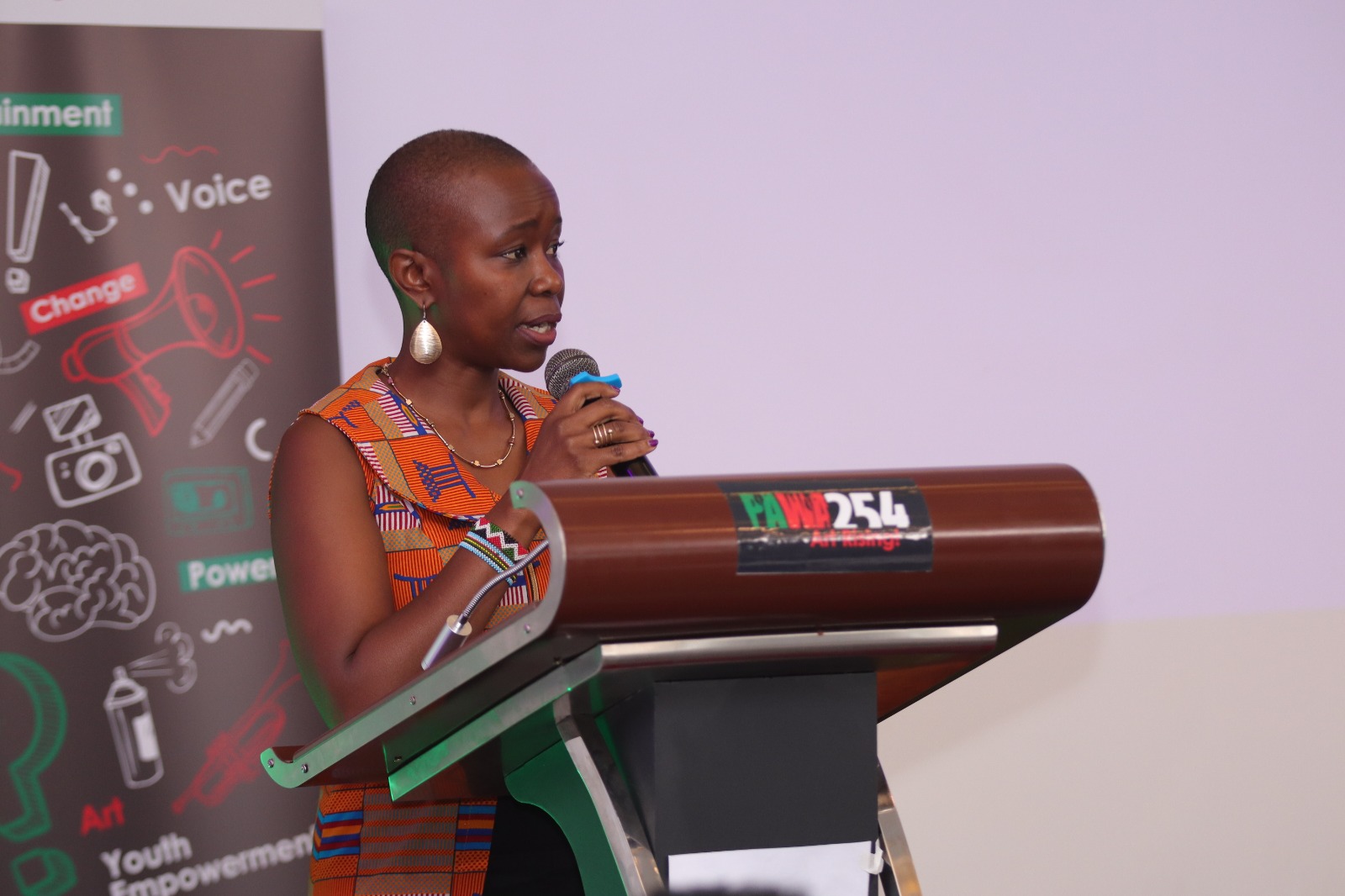
 PAWA254 Executive Director Njeri Mwangi during the launch of the report on February 5, 2026, at Pride Inn Azure Hotel in Westlands, Nairobi/HANDOUT
National and county governments have been urged to formally recognise and support artivism — the fusion of artistic expression and civic activism — as a key driver of Kenya’s socio-economic and political development.
The call was made in Nairobi during the launch of PAWA254’s report, “The Role of Artivism in Advancing Socio-Economic and Political Development in Kenya.”
The study highlights artivism as a powerful tool for civic engagement, political advocacy, and social transformation, using creative forms such as music, graffiti, theatre, poetry, and digital storytelling to make governance issues more accessible to the public.
According to the report, “Activists have expanded democratic participation by amplifying marginalised voices— particularly women, youth, and persons with disabilities while promoting public accountability and social consciousness”.
Speaking at the launch, PAWA254 Executive Director Njeri Mwangi stressed the need to reposition creativity as an instrument of civic influence.
“We need to link creativity to civic power, where we move art beyond expression to influence. This report reminds us of three hard truths: First, artivism is doing governance work long before policy arrives. Secondly, creative expression often reaches communities that formal civic processes never do. Third, despite its impact, artivism remains structurally under-recognised, under-protected, and under-funded.”
The study notes that significant challenges persist, including gender bias, censorship, limited institutional support, and digital exclusion, all of which limit the reach and inclusivity of creative activism.
Challenges and policy gaps
The research identifies institutional marginalisation as a major barrier, noting that artivism is largely absent from formal education systems, governance structures, and development planning.
It notes that many artists lack structured entry points into county budgets and national cultural strategies.
It also cites economic and digital constraints, with most opportunities concentrated in urban areas, leaving rural creatives without mentorship, studios, or equipment. High data costs and poor connectivity further deepen exclusion.
On state repression, the report states that censorship, surveillance, and arrests under laws such as the Computer Misuse and Cybercrimes Act 2018 intimidate activists and curtail freedom of expression.
Cultural resistance is another hurdle, with generational divides and conservatism often labelling activists as “jobless youth” or radicals, undermining their legitimacy in public discourse.
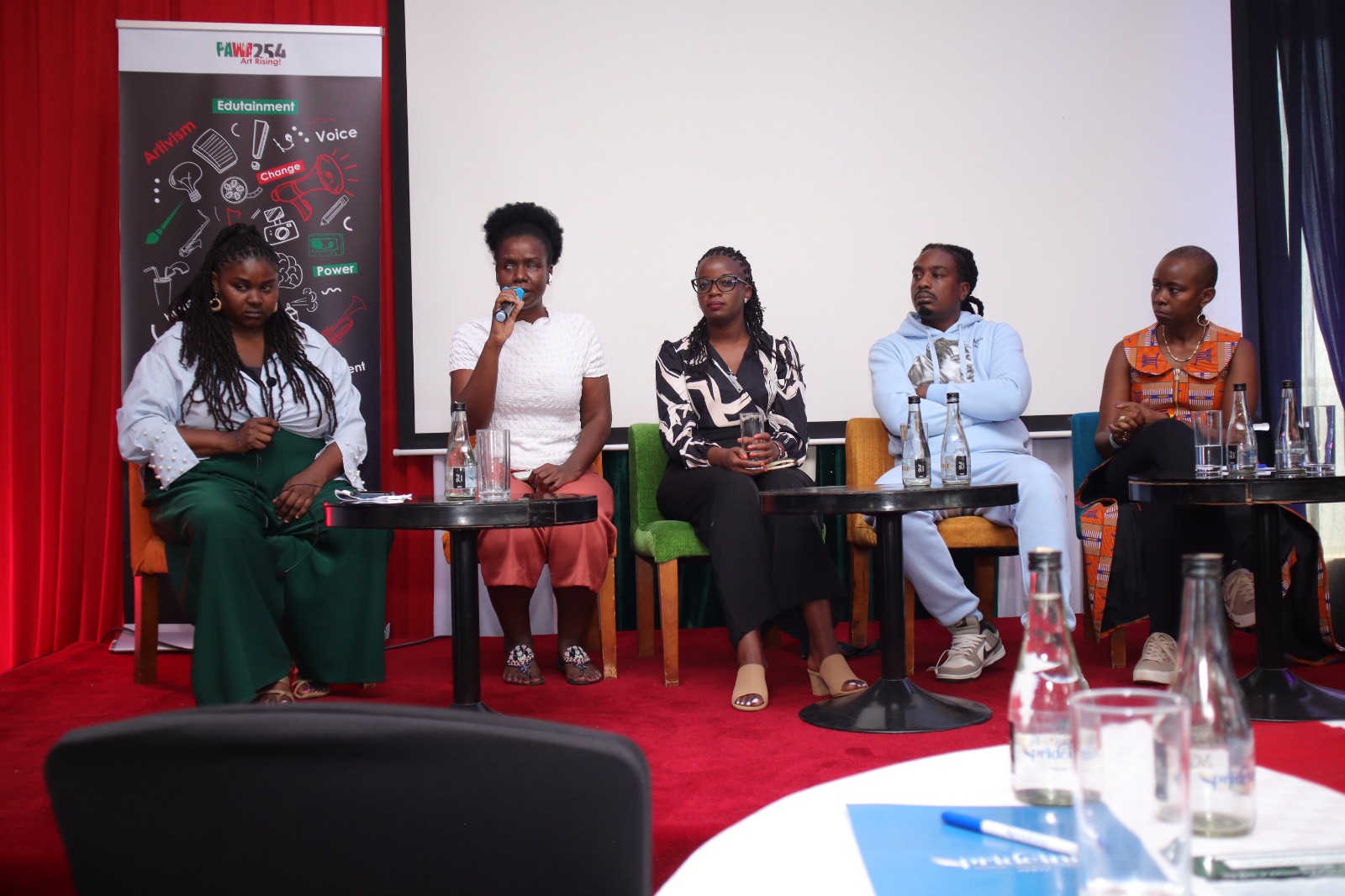 Nominated senator Crystal Asige contributing at a high-level panel discussion on artivism’s role in governance./HANDOUT
Policy recommendations
To address these gaps, PAWA254 is calling for formal recognition of artivism through its integration into County Integrated Development Plans, youth programmes, and civic education frameworks.
The report also urges legal reforms to prevent misuse of restrictive laws against artists and proposes county-level legal aid desks and reporting channels for artists facing harassment.
It recommends expanded affordable internet access, community Wi-Fi hubs, and digital literacy training to bridge the rural-urban divide. Further proposals include the creation of structured public funding streams, art hubs, and incubators to support creatives and sustain livelihoods.
Development partners and donors are also encouraged to provide sustained, flexible funding for grassroots initiatives.
The launch featured a high-level panel discussion on artivism’s role in governance, digital civic engagement, inclusion of youth, women, and persons with disabilities, legal and regulatory challenges, and the sustainability of Kenya’s creative economy.
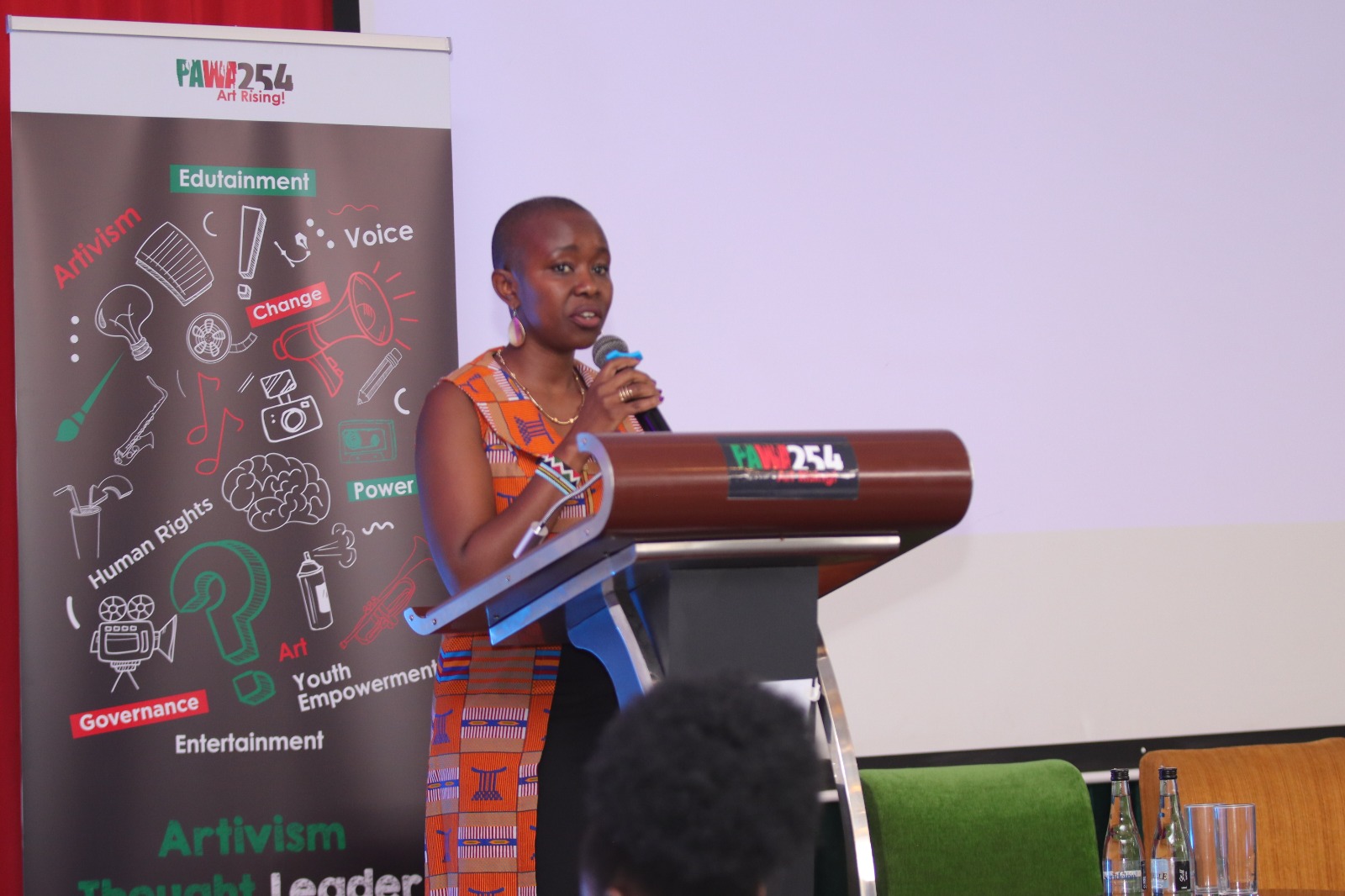 PAWA254 Executive Director Njeri Mwangi during the launch of the report on February 5, 2026, at Pride Inn Azure Hotel in Westlands, Nairobi/HANDOUT
Senator Crystal Asige, a long-time performing artist, underscored the responsibility of creatives during national transition periods and urged them to take an active role in shaping the country’s future.
“It is a very pivotal moment in the country. We are in a very pivotal space. We need more creatives to use their voices, their platforms, and their art to speak to the time because no one else can inspire change and action the way artists do," she said.
PAWA254 said the findings are meant to spark continued dialogue, policy reform, and cross-sector collaboration so that artivism is recognised not just as cultural expression, but as a legitimate and transformative force in Kenya’s socio-economic and political development.