For many Kenyans, a cancer diagnosis is more than a medical condition; it is a journey marked by fear, uncertainty and profound emotional strain.
The physical toll of treatment is often compounded by financial pressures and the challenge of navigating complex healthcare decisions.
Yet, behind every diagnosis is a human story: a parent trying to care for children, a young adult balancing work and treatment, or a patient confronting the stigma and anxiety that often accompany cancer.
This year’s World Cancer Day, observed on February 4, carries the theme United by Unique, highlighting that each cancer journey is deeply personal and shaped by individual experiences, culture and emotions.
Clinics and health facilities are increasingly recognising that treating cancer effectively requires looking beyond the disease itself to address the emotional, social and economic challenges patients face.
Early screening, lifestyle awareness and holistic support can improve outcomes, while timely intervention remains a critical factor in survival.
Kenya records about 45,000 new cancer cases and nearly 29,000 cancer-related deaths every year, underscoring a growing public health burden.
According to WHO’s GLOBOCAN 2022 estimates and the National Cancer Institute of Kenya (NCI), cancer is now among the leading causes of death in the country, driven largely by late diagnosis and limited access to care.
The most common cancers are breast, cervical, prostate, oesophageal and colorectal, which together account for nearly half of all cases.
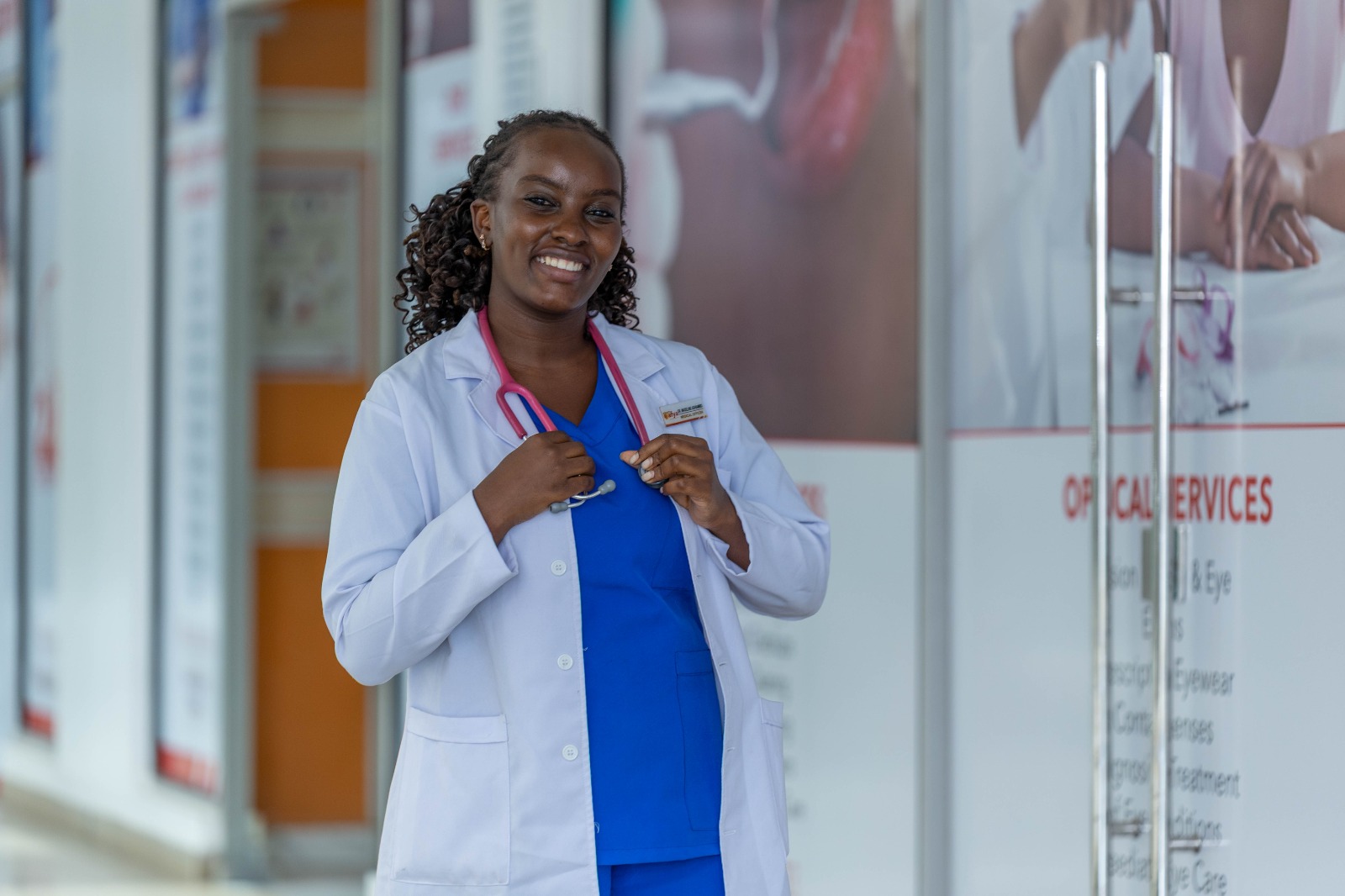
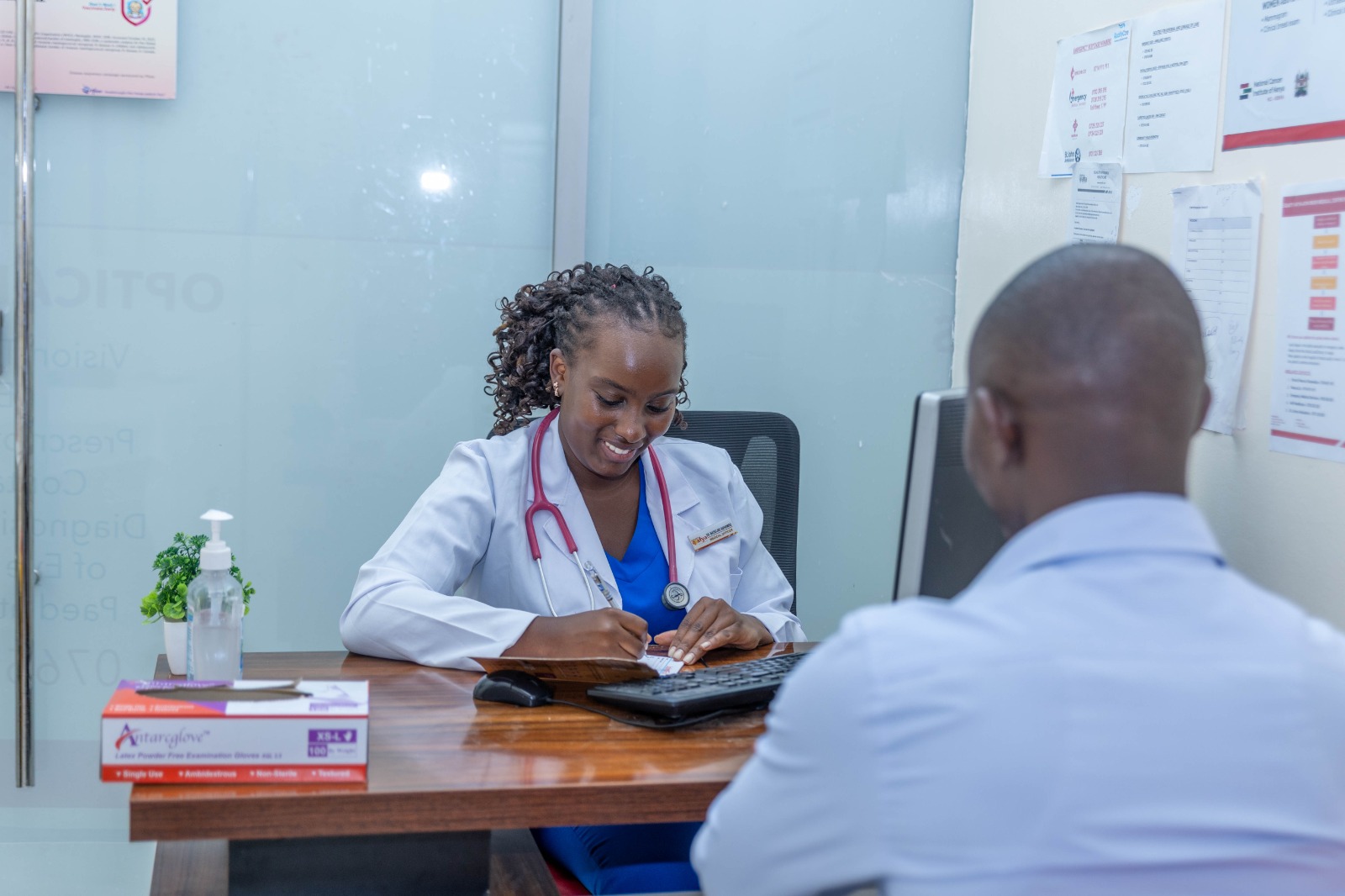
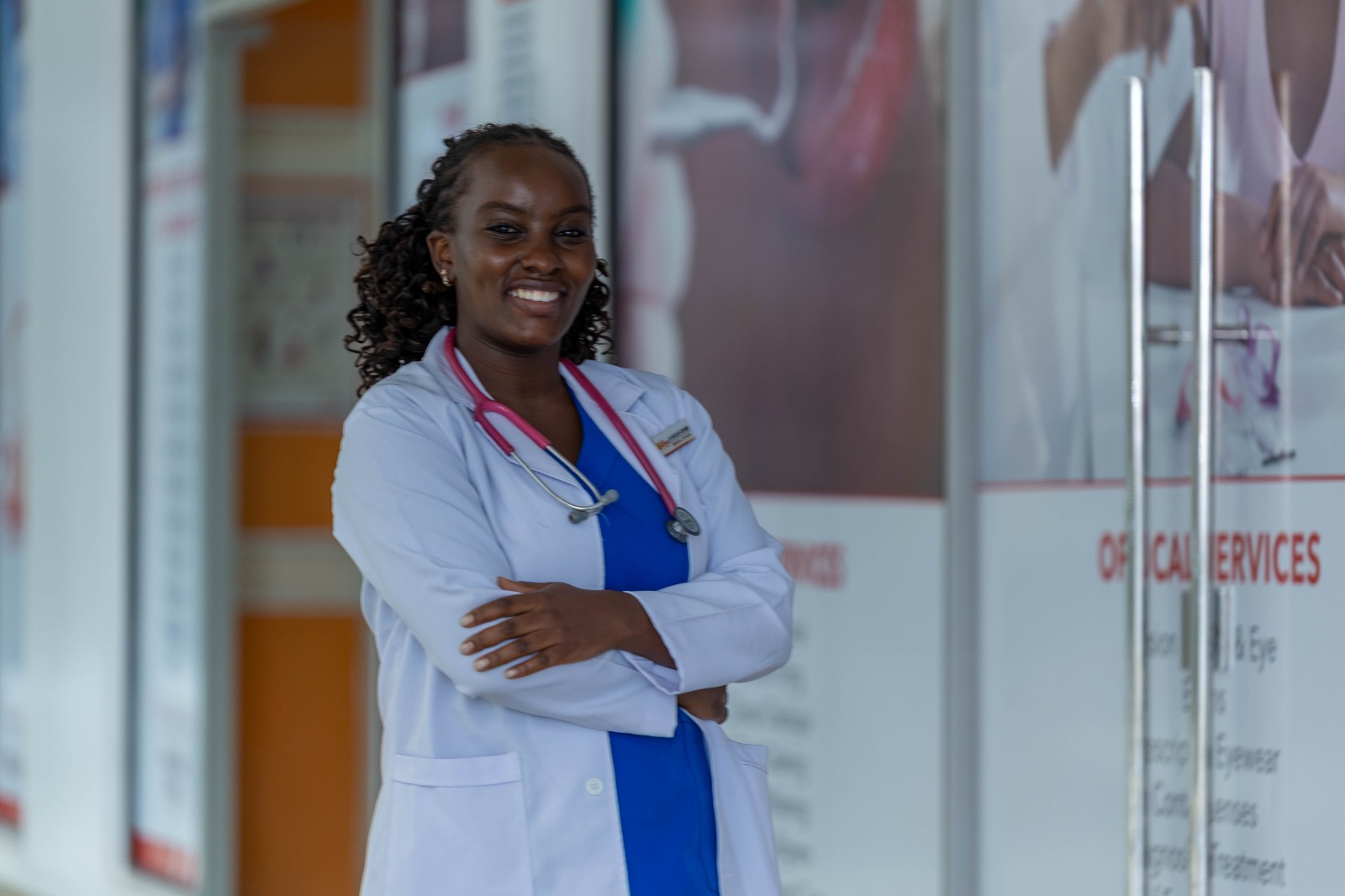
I sat with Dr Madeline Adhiambo of Equity Afya to explore realities of cancer care, the importance of prevention and early detection, and the lessons patients, families, and communities can take from each unique journey.
World Cancer Day’s theme, United by Unique, emphasises that every cancer journey is personal. What does this mean for patients and families?
Every person experiences cancer differently. This theme reminds us that care should focus on the individual, not just the illness.
A patient’s journey includes physical treatment, emotional well-being and support for daily life.
Addressing all these aspects helps patients cope better, feel understood and navigate treatment with dignity.
How can patients’ feelings, preferences and choices be respected during treatment?
It’s important that patients have a say in their care. People should be informed about the different treatment options available, whether medical, surgical or supportive, but ultimately, the choice is theirs.
Even if someone decides not to pursue a particular treatment, that decision should be respected.
Families and healthcare providers can continue offering guidance, encouragement and information, but care must align with what the patient values and feels ready for.
Cancer can affect many areas of life beyond health, including finances and emotions. How can support be provided?
Cancer affects not only the patient but also their families and daily routines.
Support should consider these challenges. Financial assistance may come from insurance, community programmes, or non-profits, while emotional support should include access to counselling and mental health services.
Recognising the impact of cancer helps families stay strong and ensures patients are not facing the disease alone.
WHO underscores that delays in diagnosis and barriers to accessing care significantly affect survival outcomes, highlighting the importance of support systems that extend beyond medical treatment alone.
Prevention and early detection are key. How can people reduce their risk or spot early warning signs?
Lifestyle choices play a big role. Tobacco use, alcohol consumption, lack of physical activity and unhealthy diets can increase the risk of certain cancers.
Early detection through regular screenings is critical; cervical, breast, and prostate cancers, for example, can often be treated more successfully if caught early.
Paying attention to changes in the body and seeking medical advice promptly can make a life-saving difference.
What message of hope would you like to share this World Cancer Day?
Cancer is treatable, and many cases can be prevented. Early detection saves lives. Every journey is unique, but no one should face it alone.
Families, friends, and communities can provide support, encouragement and understanding. By raising awareness, promoting screenings, and showing empathy, society can help patients and families face cancer with resilience, dignity, and hope.
World Cancer Day reminds us that fighting cancer is not just about hospitals and medicine. It’s about awareness, early action, emotional support and community care.
When patients are treated as people, not just cases, the journey becomes more manageable and hope becomes possible.
WHO also emphasises that palliative care, focused on pain relief, symptom management and quality of life, is an essential part of comprehensive cancer care, particularly for patients with advanced disease.