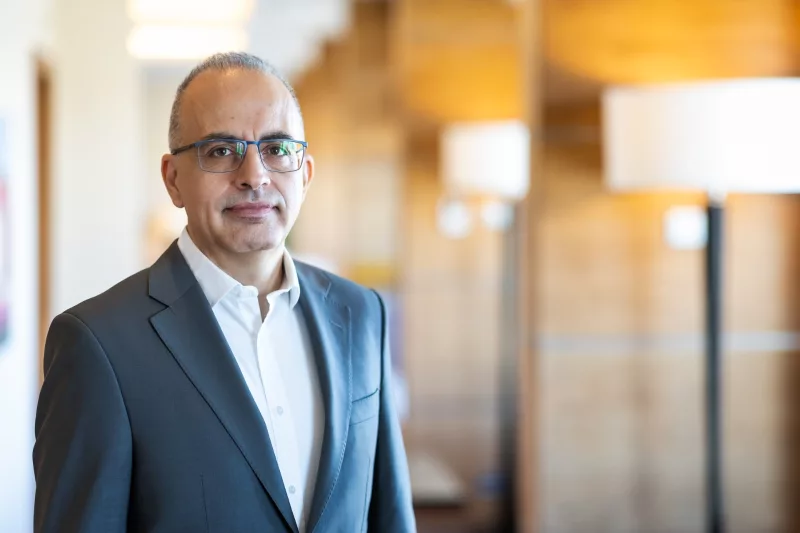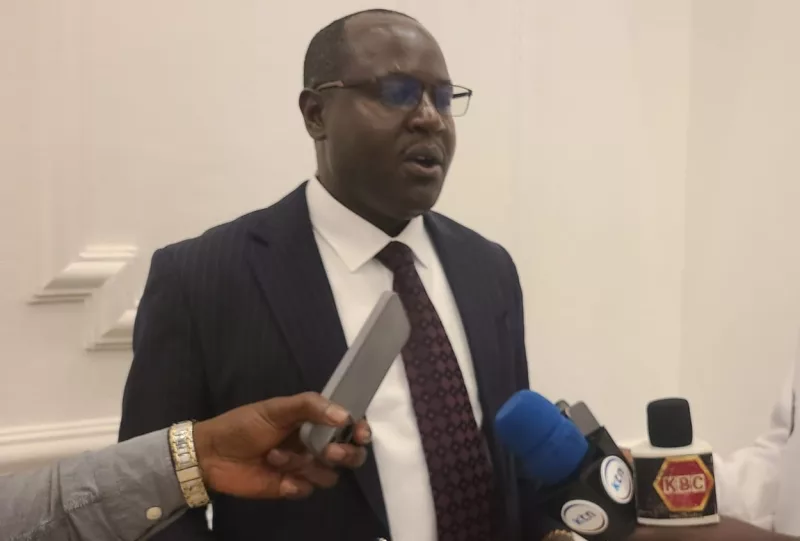
PricewaterhouseCoopers Limited (PwC)'s Muniu Thoithi and George Weru have taken control of Koko Networks after the Kenyan clean-cooking fuel startup was declared bankrupt.
The two are expected to work on a turnaround plan for the the firm that until its closure early last week served 1.3 million low-income households and invested over $300 million in subsidised cooking stoves.
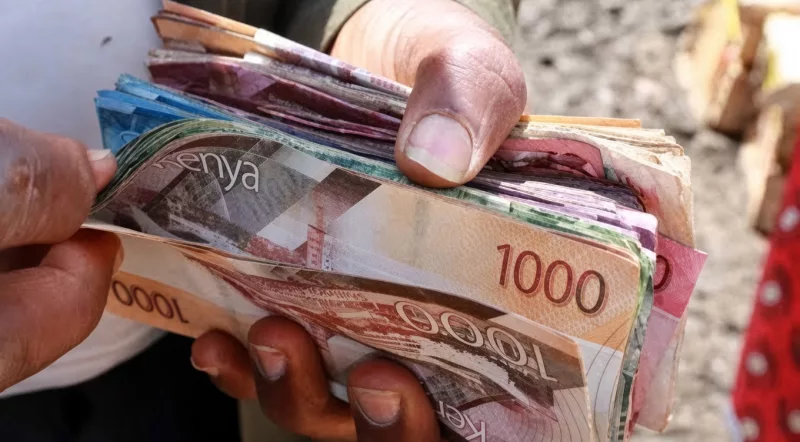
The stoves retailed at Sh1,500 compared to a market average of Sh15,000.
At least 700 employees have been sacked and the administrators will now decide how the company’s assets management and how much creditors can recover.
"Muniu Thoithi and George Weru of PwC were appointed joint administrators of Koko Networks Limited and Koko Networks on February 1 by the companies’ directors, according to a formal notice issued under the Insolvency Act 2015," a public notice seen by the Star reads.
"The two have taken over control and management of the assets and affairs of both companies, and all operational and other matters must now be directed to them or their authorised representatives."
The administrators are expected to formally communicate the next steps to staff and creditors in the coming days, including how salary arrears, benefits, and redundancy obligations will be handled as the clean‑cooking startup winds down.
According to the notice, the primary objective of this exercise is to allow to explore ways of rescuing the company as a going concern where feasible or achieving a better outcome for the creditors of the company than would be in the case of a liquidation.
The appointment of the administrators is a quick surrender by the firm after it become apparent that a government letter authorising the sale of carbon credits abroad, would not be signed.
It is alleged that negotiations over the letter of authorisation (LOA) with the Ministry of Environment had been underway since 2025 and were going well until the effort was scuttled last week when a senior official in the ministry rejected the LOA.
The Star was yet to receive a response from the Ministry by the time of going to press.
We had sort to understand the kind of arrangement the government had with the startup and why the Ministry ended up rejecting.
Koko’s investors and carbon-finance backers, who had extended over $300 million in equity, debt, and guarantees tied to projected international carbon-credit revenues, had set hard timelines for the LOA to be in place.
Without the LOA, Koko could not unlock the carbon credit revenues that made its subsidised prices for low-income households viable.
The firm which set up operations in Kenya in 2017 was on a great trajectory, expanding networks across the country until 2024 when the Energy and Petroleum Regulatory Authority (EPRA), suspended imports of bio-ethanol, a key product for the firm’s operations.
This forced Koko to seek more expensive and limited supply options, a shift that squeezed the company’s margins and destabilised its fuel logistics.
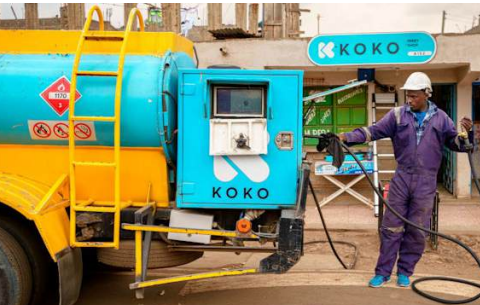
This saw more than a million households in low-income nneighbourhoods grapple with recurring Koko fuel shortages, a sharp contrast to the company’s promise that any amount, as little aasSh30, could keep their smart stoves running.
The business model depended on selling two-burner stoves at heavily subsidised prices —roughly Sh1,950 (at retail—against much higher manufacturing costs, and on keeping bio-ethanol fuel cheap via carbon-credit income.
Investors such as Verod-Kepple, Mirova, Rand Merchant Bank, and Microsoft’s Climate Innovation Fund backed Koko’s growth, while the World Bank’s Multilateral Investment Guarantee Agency (MIGA) provided a $179.6 million guarantee to de-risk its expansion.
The administrators have asked anyone with a claim against the companies to submit it within 14 days of the notice to be included in the creditors’ records.