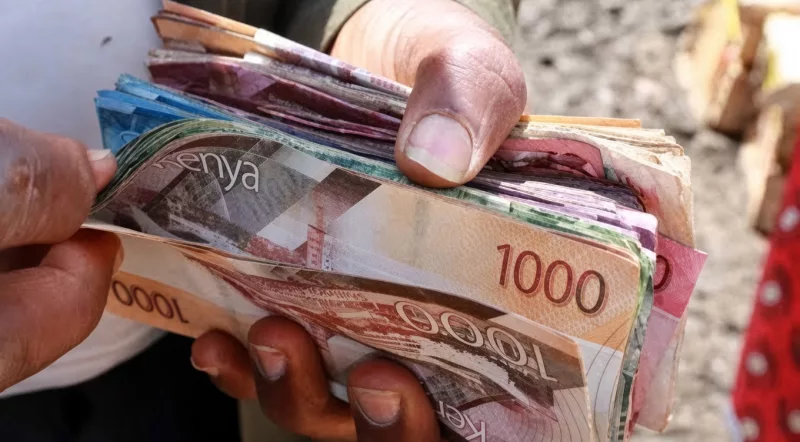
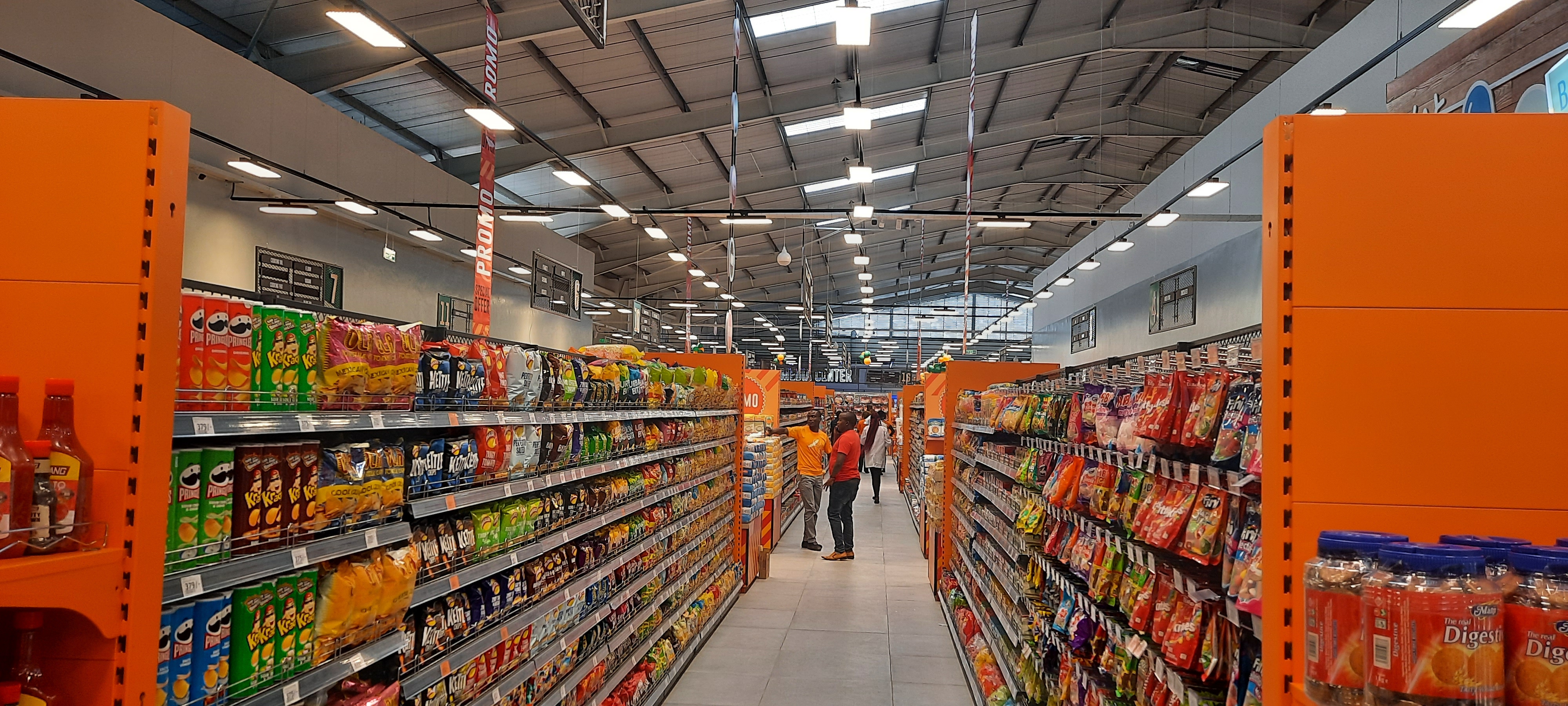
 A retail outlet /JACKTONE LAWI
January is a tough month for most Kenyans having overspent in December and is jokingly referred to as Njaanuary, a pun from the swahilli word njaa (hunger).
The tough times seems not to have only impacted consumers but some sectors too that witnessed a decline in demand.
Overall, business activity in the month of January, eased to its slowest pace in four months partly due to the drop in demand.
The latest Stanbic Bank Kenya Purchasing Managers’ Index (PMI) shows that gains in manufacturing were not enough to offset weaker demand in the construction, wholesale and retail sectors, which dragged down the overall index.
The index fell from 53.7 in December to 51.9 in January, meaning the economy is still expanding for the fifth month in a row, though at a lower speed than the last four months.
The reading was the joint-slowest since September, pointing to a more subdued start to 2026, a slowdown also attributed largely to a weaker rise in new business.
“Higher input prices, purchase costs, staff costs and output were likely due to higher taxes and rising technology costs. That said, increased competition made firms restrain price increases, as corroborated by headline inflation in January easing to 4.4 per cent year on year,” said Standard Bank economist Christopher Legilisho.
While new orders continued to grow, the pace cooled to a four-month low as contrasting sectoral performances emerged across the economy.
Manufacturing was the strongest performer, registering the most consistent sales growth, supported by increased customer referrals, improved access to credit and more aggressive marketing efforts.
In contrast, businesses in the construction as well as wholesale and retail trade reported outright falls in demand, reversing gains seen toward the end of last year.
Surveyed firms attributed the pullback to cautious consumer spending, delays in project approvals and rising costs that continue to squeeze both households and small enterprises.
“Kenyan firms reported a solid rise in prices paid on purchased items over the latest survey period. These were largely attributed to recent tax hikes, with firms commenting on higher import duties and increased prices for raw materials,” the index points out.
“Some added that technology costs had risen. The rate of purchase price inflation quickened to its highest for six months.”
The moderation in new orders fed directly into slower output growth. Firms expanded activity for the fifth straight month but at a reduced rate, again hitting a four-month low. Companies noted that while marketing campaigns and competitive pricing helped sustain demand, the general slowdown in sales momentum limited the speed of output improvement.
Job creation was maintained for the twelfth successive month the longest growth streak since 2019, but hiring was marginal as firms adjusted to the weaker inflows of new business.
Backlogs of work declined at the fastest pace since April 2021, signalling that firms had sufficient capacity to complete existing projects on time.
Some survey respondents cited concerns about holding excess inventory, which contributed to the slower rise in stock levels.
Input cost inflation remained a key challenge across the private sector. Companies recorded a solid increase in operating expenses, driven by higher taxes on purchased inputs, rising import duties and increased technology-related costs.
Staff expenses also rose, albeit modestly, as firms rewarded employees for additional workloads.
Despite mounting cost pressures, output price inflation remained marginal as firms avoided aggressive fee hikes to protect sales, particularly in sectors with softening demand.
Competition and market saturation were repeatedly cited as reasons for adopting cautious pricing strategies.
Looking ahead, 22 per cent of surveyed firms expressed optimism about future output, underpinned by planned expansions, increased marketing, diversification strategies and expectations of improved order books.
Manufacturing and construction firms were the most upbeat, suggesting that the current slowdown may be short-lived if broader economic conditions stabilise.