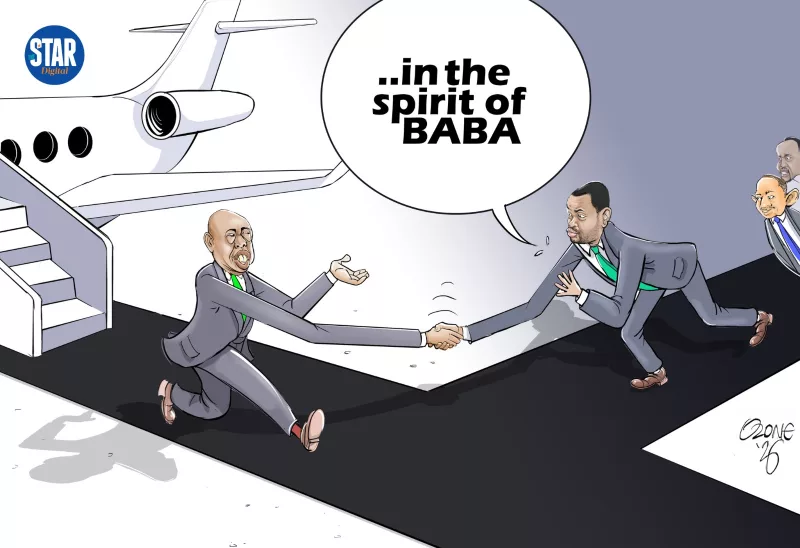
History has a way of correcting itself, even if it takes blood to write the truth. In his recent remarks, President William Ruto acknowledged that he had agreed with Raila Odinga to honour the heroes of the Gen Z protests and change the government's tone to affirm their status as heroes of Kenya.
That admission, coming after months of denial, vilification, and state violence, is more than political rhetoric. It is an implicit confession: those young people who were killed, maimed, and injured in the Gen Z protests of 2024–2025 died for their country.
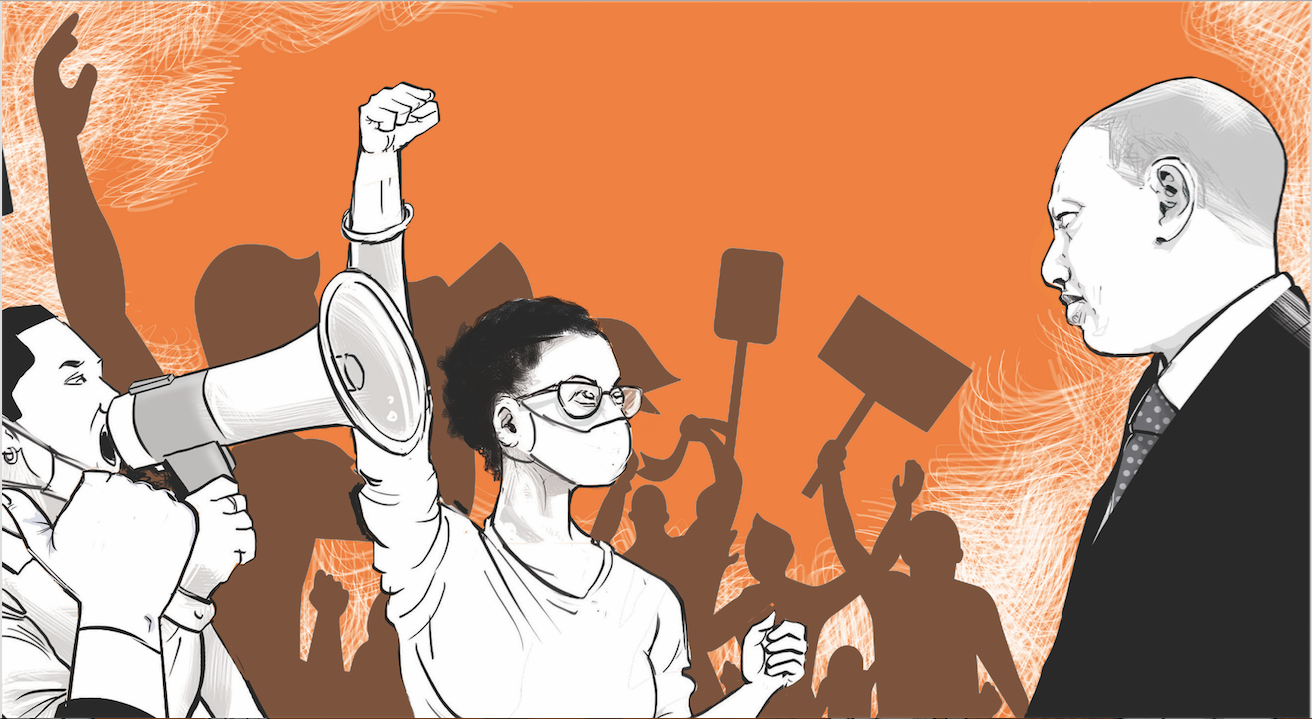
For months, the Kenyan state spoke of Gen Z protesters in the language of criminality. They were branded treasonous criminals, arsonists, looters, terrorists, enemies of the republic. Cabinet secretaries thundered from podiums. Police press statements reduced human lives to "neutralised threats." Television panels debated whether the country was under siege.
All the while, unarmed young Kenyans were being shot in the streets, abducted at night, beaten in police cells, and left permanently injured for daring to demand accountability, dignity, and a future.
Today, the same state that once unleashed violence against them now speaks of them as heroes.
This shift is not accidental, nor is it generous. It is forced by truth. It is forced by the blood that soaked our streets, our estates, and our villages. It is forced by the courage of a generation that refused to be silent even when silence would have kept them alive.
During the height of the Gen Z protests, I attended funeral after funeral alongside fellow activists and colleagues.
We stood with grieving parents who could not understand how their children left home to protest peacefully and returned in coffins. We walked with siblings whose futures were shattered in a single gunshot. We watched communities dig graves for young people whose only crime was loving their country enough to demand better. We saw a country engulfed in sorrow for the loss of young ones whose only quest was a better nation.
At those funerals, in the face of raw grief and state intimidation, we said something many considered reckless at the time: that these young people were national heroes—modern-day Mau Mau comrades. We said history would vindicate them. We said a day would come when the same government that called them criminals would be forced to acknowledge their sacrifice.
True to our words, that day has now come. The same President who spoke strongly against them has now acknowledged their sacrifices and referred to them as heroes and heroines.
However, recognition alone is not justice. Calling the fallen "heroes" without accountability is an insult wrapped in poetry. It risks turning real suffering into convenient symbolism. If the government is sincere in its acknowledgement, it must go beyond speeches and ceremonies. Justice must follow recognition, or the words mean nothing.
Justice means independent investigations into every killing. It means naming and prosecuting the officers who pulled the triggers, the commanders who issued unlawful orders, and the political leaders who sanctioned violence against civilians.
It means compensation and long-term support for those who were maimed and injured, many of whom will carry lifelong disabilities because the state chose bullets over dialogue. It means truth for families who still do not know who killed their children or why. Anything less is performative remorse.
The Gen Z protests were not a moment of chaos; they were a moment of clarity. Young Kenyans saw a political system that excluded them, an economy that punished them, and a leadership class that dismissed their pain. They organised not because they were paid, not because they were manipulated, but because they were awake. They understood that silence was more dangerous than resistance.
That is why the state feared them. That is why it tried to crush them. And that is why, in the end, it has been forced to honour them. Those killed in the Gen Z protests are the heroes of Kenya's Third Liberation.
Like those before them—freedom fighters against colonial rule and activists who resisted dictatorship—their blood has watered the tree of democracy. Their sacrifice has expanded the boundaries of what is possible in this country.
For decades to come, Kenyans will enjoy freedoms, reforms, and accountability that trace their roots back to the courage of young people who paid the ultimate price. We owe them more than memory.
We owe them justice. Until justice is done—for the dead, the maimed, and the injured—our work remains unfinished. Their voices may have been silenced, but their message endures. Kenya must never again be built on the graves of its children.
The blood of the Gen Z protestors will speak, and history will remember them not as criminals, but as patriots who loved their country enough to die for it.
Chief Executive Officer, VOCAL Africa