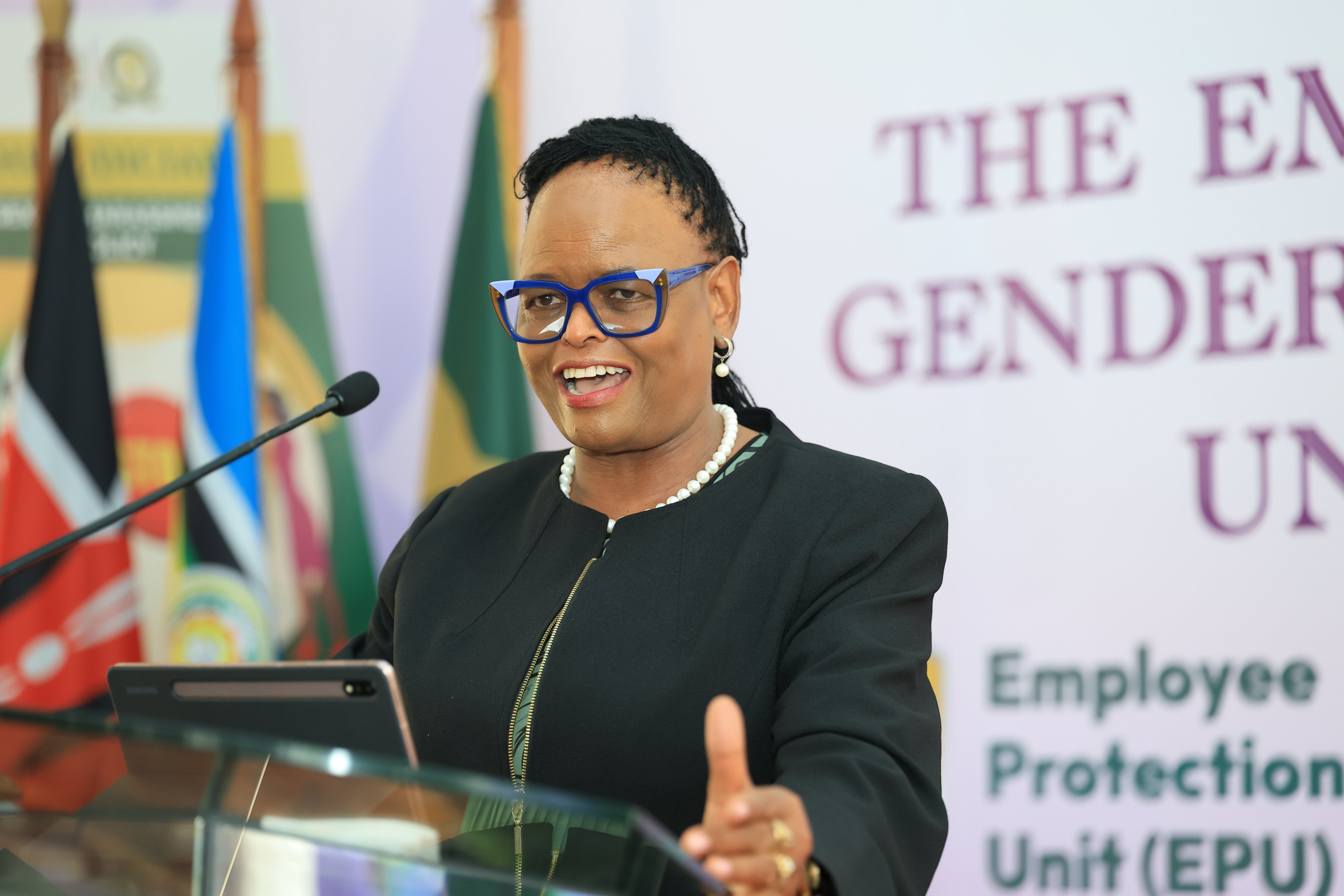
 CJ Martha Koome/JUDICIARY
The Judiciary has launched new enforcement units to tackle workplace harassment and discrimination.
The Employee Protection Unit (EPU) and the Gender Inclusion and Diversity (GID) Unit mark a shift from policy commitments to institutional accountability.
The move is part of a renewed push to entrench gender mainstreaming, diversity and affirmative action across all levels of the institution.
The Gender Mainstreaming, Affirmative Action and Diversity Policies and their accompanying Standard Operating Procedures (SOPs) were also launched at the event.
They affirm the Judiciary’s commitment to fostering a safe, inclusive and dignified working environment for judges, judicial officers and staff.
Chief Justice Martha Koome said the move represents a critical institutional statement that justice must start from within.
“We gather not just to launch units and policies, but to reaffirm clearly and unequivocally our collective commitment to dignity, safety, inclusion and wellbeing within the Judiciary,” she said.
The Judiciary has an obligation to protect its employees, address workplace sexual harassment, ensure safe reporting mechanisms and create an environment where all staff can serve without fear, discrimination or harassment, Koome said.
She said the reforms align with the Social Transformation through Access to Justice (Staj) Blueprint, which recognises employee wellness and wellbeing as a core pillar of institutional performance, integrity and public trust.
“The blueprint calls on us to build not only efficient courts, but a humane institution where every judge, judicial officer and member of staff can serve with honour and dignity, assured that their wellbeing matters,” she said.
The chief justice said safeguarding employees is directly linked to the credibility and moral authority of the Judiciary.
“An institution that protects its people commands confidence both internally and among the public it serves. By investing in employee protection and inclusion, we are strengthening the moral authority of the Judiciary and reinforcing our role as guardians of constitutional values,” Koome said.
She said translating policies on sexual harassment, gender mainstreaming and affirmative action into clear, enforceable and survivor-centred procedures is key to ensure the principles move beyond paper commitments into daily practice.
“This launch marks the beginning, not the end, of sustained implementation. Leaders at all levels must be accountable in fostering a culture of respect, professionalism and integrity,” Justice Koome said.
Supreme Court Judge Lady Justice Njoki Ndung’u, who chairs the Employee Protection and Inclusivity Committee, said the policies are grounded in Kenya’s constitutional and statutory framework.
She said the measures are not merely administrative guidelines but legal obligations that operationalise constitutional guarantees of equality, dignity and protection from discrimination.
“We are not only complying with the law—we are affirming our values. Dignity, equality and respect are non-negotiable, and our workplaces must reflect the justice we uphold in society,” Ndung’u said.
Chief Registrar of the Judiciary Winfridah Mokaya said the success of the reforms will depend on disciplined implementation, clear structures and sustained oversight.
She said the approval of the policies by the Judicial Service Commission demonstrates institutional commitment.
The Judiciary says the initiatives seek to embed a culture where employee protection, inclusion and wellbeing are central to institutional integrity and public confidence.