KENYA is working on export market diversification even as it remains optimistic that the US Senate will not shoot down the House of Representatives vote on a bill extending the Agoa deal.
While the US House of Representatives had initially extend the Africa Growth and Opportunity Act to 2028 in a 340-54 vote, theUS Senate is considering a revised, shorter extension that only extends it untilDecember 31, 2026.
The divergent position of the two houses leaves Sub-Saharan countries that have been benefiting from the pact in limbo, with the pact’s expiry in September last year having a major impact on exports.
In Kenya, the textile and apparel industries operating within the Export Processing Zones (EPZs), employing over 80,000 people directly and an additional 250,000 indirectly, have been the biggest beneficiaries of AGOA.
Exports to the US have been since the expiry, putting thousands of jobs on the line, as industries survive on other smaller markets amid high tariffs in the US.
The shorter, one-year extension is part of US’s move to allow negotiations and address concerns within Congress, particularly around the inclusion of South Africa and the desire to move toward a more comprehensive overhaul of the trade programme.
The shorter, one-year extension (section 5019 of the current bill) aims to maintain the duty-free access for African goods while allowing for continued negotiations in the US Senate.
This means if signed into law, eligible Sub-Saharan countries will have less than 24 months to continue accessing the US market duty-free for the over 1,800 products covered, with textile and apparel being the biggest export product for Kenya.
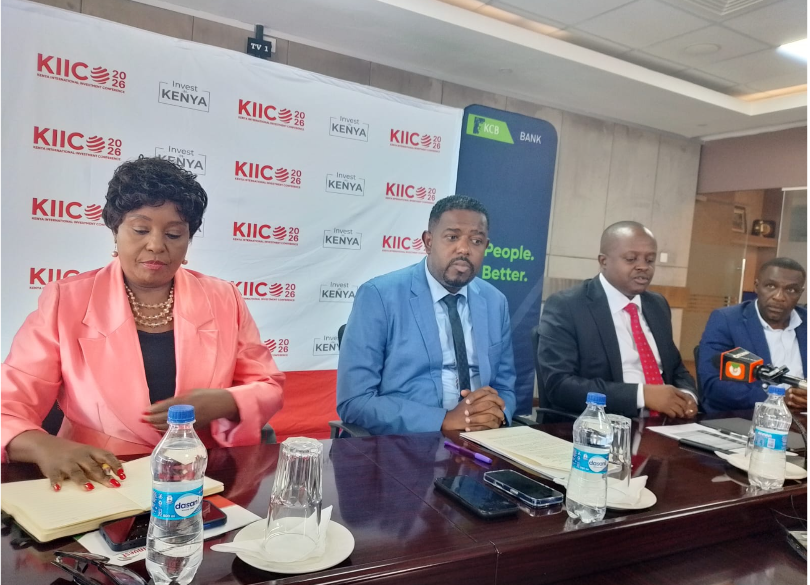
Investment PS Abubakar Hassan Abubakar has however said the country is keen to diversify export market with European Union and Asia, mainly China and India among key targets. This, even as he dismissed concerns that the expiry of AGOA has led to massive lay-offs in factories.
“The only impact that we had was people who were reluctant. They were like, we cannot invest if we do not know the future of AGOA. But we did not have layoffs. With renewal in the process, we are seeing investments which were a bit delayed now coming through,” said Abubakar.
He has however noted a “concentration risk” for textile and apparel exports, noting the country will have to seek other markets.
“We want to diversify so that our investors in textile and apparel cannot only sell to US, but also sell to the European Union,” he said during a state of Kenya’s investment climate forum in Nairobi.
President Donald Trump's "America First" policy has introduced sweeping changes including trade tariffs which have shaken global trade patterns, where Kenya was last slapped with a 10 per cent duty on her exports.
The country plans to capitalise on the EU-Kenya Economic Partnership Agreement which entered into force on July 1, 2024, providing duty-free and quota-free access to the 27-member EU market for all Kenyan products, while Kenya gradually opening its market to EU goods.
Implementation strategies are focusing on expanding trade in goods, agriculture and services, though the agreement was challenged at the East African Court of Justice. Kenya is also pushing for an AGOA-like trade pact (duty-free access) to China.
It was recently omitted in the Chinese government’s duty-free and quota-free (DFQF) market access for all goods originating from Africa, where provisions primarily benefit only the Least Developed Countries (LDCs), leaving developing countries like Kenya at a disadvantage.
To mitigate this, Kenya initiated discussions with China to negotiate a bilateral trade agreement that aligns with the privileges enjoyed by our East African Community neighbours and other African nations.
On January 15, Investments, Trade and Industry CS Lee Kinyanjui announced that the engagements had resulted in a preliminary agreement that allows for 98.2 per cent zero-duty market access for Kenyan goods.
“The introduction of zero-duty access will unlock vast economic potential for Kenyan exporters, allowing for diversification of our export basket especially in the agricultural sector which is the mainstay of our economy. This development is expected to generate considerable employment opportunities and bring tangible benefits to our economy,” Kinyanjui said.
On Tuesday, he met the Indian High Commissioner to Adarsh Swaika, where they discussed key areas of partnership, including cooperation in the textile sector.
The CS also met African Continental Free Trade Area (AfCFTA) Secretary General, Wamkele Mene, with discussions centered on intra-Africa trade.