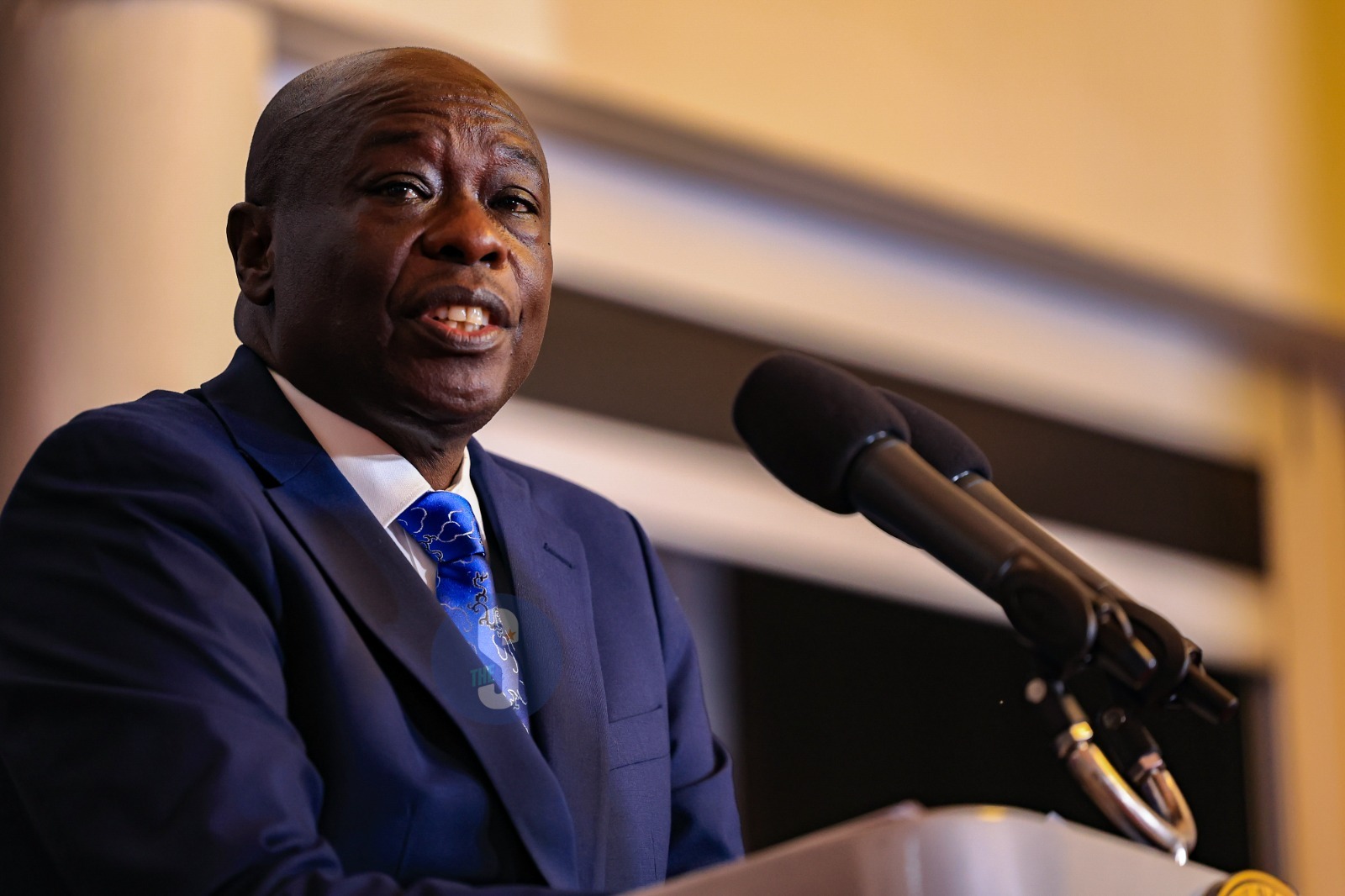
The Supreme Court has dismissed an attempt by former Deputy President Rigathi Gachagua to halt ongoing High Court proceedings challenging his impeachment, allowing the matter to continue.
The ruling comes after Gachagua filed an application seeking a stay of the High Court proceedings, striking out the National Assembly’s appeal, and expunging certain documents from the Supreme Court record.
In its decision, the apex court clarified the scope of its authority under the Constitution.
“This Court’s jurisdiction under Article 163(4) of the Constitution is clearly defined and circumscribed: to hear appeals from the Court of Appeal as of right in cases involving the interpretation or application of the Constitution and also where the appeal has been certified as involving a matter of general public importance,” the four-judge bench found.
“Therefore, only proceedings before the Court of Appeal can be stayed by this Court.”
Gachagua had argued that continuing the High Court proceedings while his cross-appeal is pending could render any favorable ruling meaningless.
The former Deputy President also argued that the National Assembly’s appeal amounted to an “abuse of the court process”, invoking the doctrine of judicial estoppel.
He claimed that Parliament had previously argued that the Deputy Chief Justice lacked authority under Article 165(4) of the Constitution, and should therefore be barred from adopting a contrary position now.
Additionally, Gachagua sought to expunge documents appearing on pages 26 to 34 of the National Assembly’s supplementary record, arguing that they were introduced “without leave” and were not part of the record at the High Court or Court of Appeal.
The Supreme Court, however, dismissed all his requests.
On the stay of proceedings, the Court noted:
“By necessary and logical reasoning, only proceedings before the Court of Appeal can be stayed by this Court. Yet the instant application is inviting us to stay, not the proceedings in the Court of Appeal, but those before the High Court, which are pending. For these reasons, we find that this Court lacks jurisdiction to grant an order of stay of proceedings before the High Court.”
Regarding the request to strike out the National Assembly appeal, the Court observed that determining whether Parliament had assumed inconsistent positions would require detailed analysis, which “is certainly not what was contemplated to be the nature of summary dismissal proceedings.”
On the expunging of documents, the Supreme Court held that the materials in question were intrinsically linked to the appeal:
“The impugned documents all relate to the Deputy Chief Justice’s empanelment directions. It has not been demonstrated that, by these documents, the National Assembly seeks to introduce new evidence, or change the character of the appeal in a manner that would be prejudicial to his case.”
The National Assembly had also sought to strike out Gachagua’s cross-appeal, arguing that it raised issues distinct from the main appeal.
The Court rejected this application, noting that the appeals had been consolidated and a single judgment rendered by the Court of Appeal.
On the matter of costs, the Supreme Court ruled that, given the public interest nature of the case, there would be no orders as to costs.
The decision means that the High Court proceedings arising from Gachagua’s impeachment are now expected to resume.