At least four people were killed in separate attacks across the country.
Police and Kenya Wildlife Service (KWS) officials said the incidents were reported on January 26, 2026, and are under investigation.
The first incident occurred in the Gamba area of Tana River County, where one Paul Akale, 65, was gored by a buffalo on his farm.
The man had gone to fetch poles from his farm when the buffalo attacked him fatally.
The body was moved to the mortuary pending other procedures.
In the Witu area of Lamu County, a hippopotamus attacked and killed Ali Kofa, 67, as he went to fetch water from the Ziwa La Witu area.
The animal escaped the scene after the attack. The body was retrieved by police, locals, and KWS officials and taken to the mortuary.
Locals complained about the dangers posed by the animals and called for their relocation.
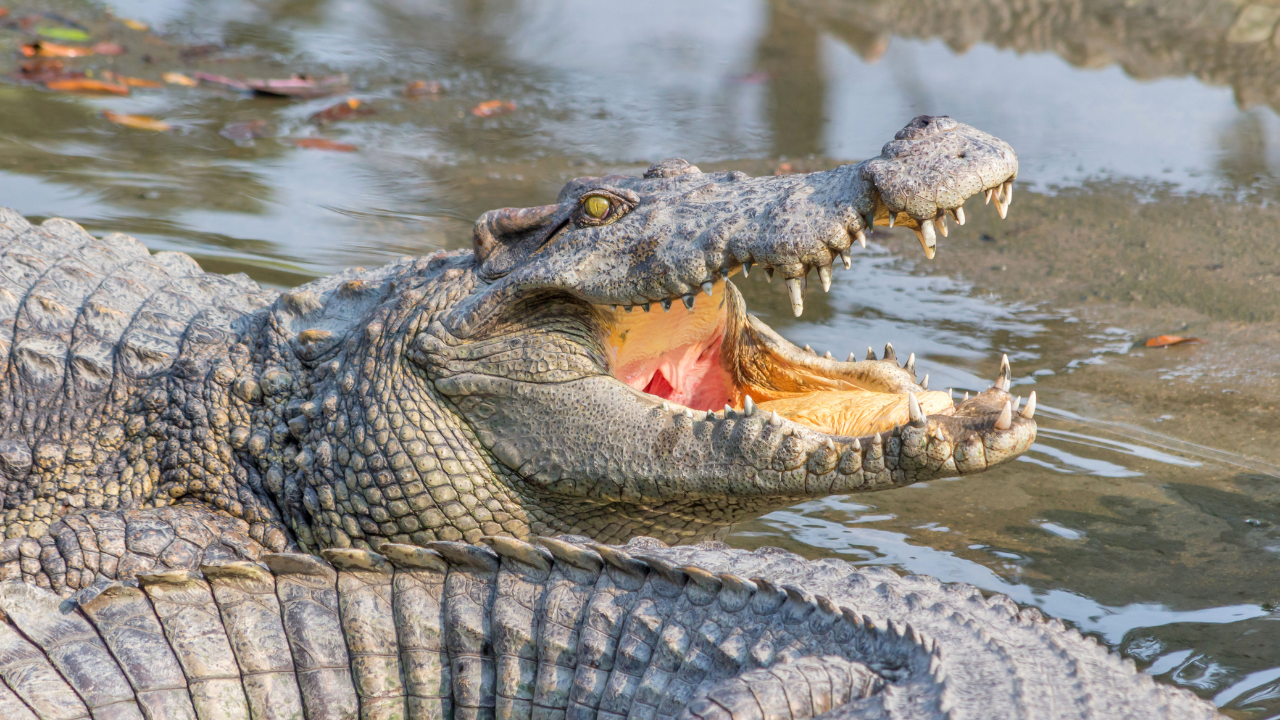
In Kendu Bay, Homa Bay County, a crocodile killed a man as he was bathing at the shores of Lake Victoria.
Police said the incident happened at Awana Beach and left one Raymond Otieno dead. The incident was the second to occur in the area within a week.
In Nyamonye village along River Yala, one John Okeyo, 30, was killed by a crocodile as he fetched water.
The incident happened on Wednesday, January 28, 2026. KWS officials and police were called to the scene to help retrieve the body after the crocodile pulled the deceased into the water.
The bodies of the victims were moved to the mortuary pending other procedures. Locals have threatened to hunt and kill the crocodiles in the affected areas amid efforts to mitigate the standoff. Dozens of people are killed in similar incidents annually.
The families of the victims were advised to file claims for compensation.
Officials linked the killings to rising human–wildlife conflict.
In May 2025, Kenya introduced the third phase of its Human–Wildlife Conflict Compensation Programme, an initiative aimed at addressing such incidents and supporting affected families. During its launch at Meru National Park, President William Ruto unveiled the Wildlife Conservation Card, a tool designed to help fund conservation efforts.
“Compensation is justice, but prevention is progress,” Ruto said, emphasising the need for long-term solutions that benefit both people and wildlife.
“Through the Conservation Card, fencing, and community-led tourism, we are turning conflict into opportunity,” he added.
Developed in partnership with KCB Bank, the Wildlife Conservation Card is available in three tiers—Platinum (Elephant), Gold (Lion), and Silver (Cheetah).
A portion of every transaction made with the card (Sh10, Sh5, and Sh3, respectively) goes directly to the Wildlife Conservation Trust Fund.
The initiative aims to enable Kenyans and international supporters to contribute to wildlife conservation while fostering economic benefits for local communities.