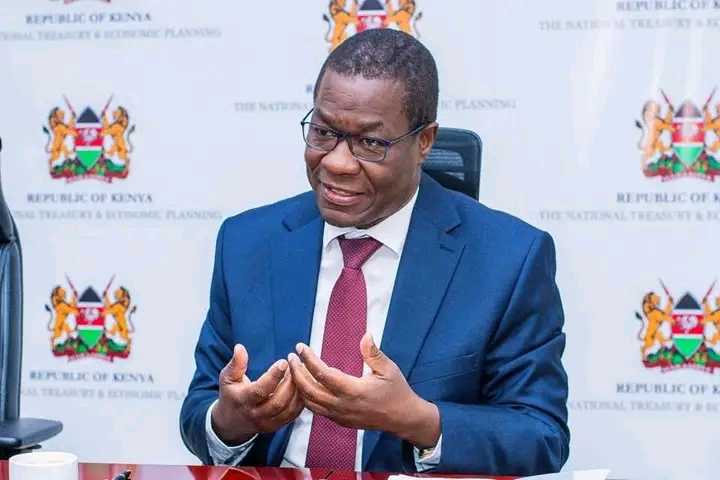
 NACADA CEO Anthony Omerikwa/HANDOUT
Authorities have dismantled two large counterfeit alcohol operations in Mombasa and Nairobi, seizing hundreds of thousands of litres of suspected illegal products and arresting key suspects.
The operations were led by the National Authority for the Campaign Against Alcohol and Drug Abuse (NACADA) in collaboration with other agencies.
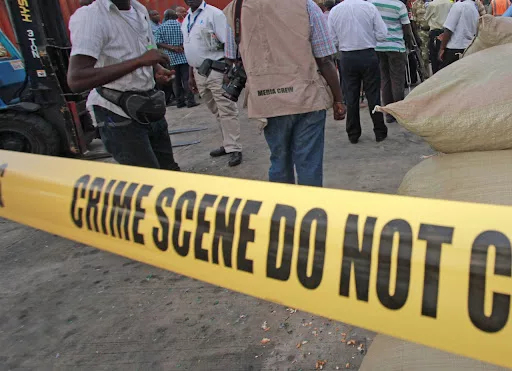
The coordinated raids began at dawn in Kongowea, Mombasa County. Officials targeted four outlets and the home of a man described as an influential figure in the county’s shadow economy.
Investigators recovered a massive consignment of suspected counterfeit alcohol. Some bottles bore Kenya Revenue Authority (KRA) stamps. Others were illicitly labelled with branding from legitimate products.
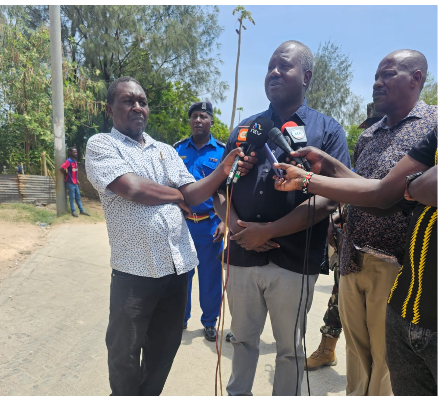
“It is utterly shocking that a counterfeiting hub is located next to a school and within a residential area,” NACADA CEO Anthony Omerikwa said at the scene.
“This signals the new, desperate tactics being employed by these criminals following heightened pressure and seizures by the Government in line with the Presidential directive on the renewed fight against alcohol and drug abuse.”
NACADA said its team had conducted lengthy undercover surveillance before the operation. All four targeted outlets were operating without valid liquor licenses.
At the same time, authorities conducted a separate raid in Nairobi along Kirinyaga Road in the Central Business District.
A NACADA-led team, working with the National Police Service (NPS) and KRA, acted after complaints from legitimate brand owners.
Officials arrested one suspect and recovered 7,352 bottles of suspected counterfeit alcohol, equivalent to 312 cartons.
The Nairobi suspect is in custody at Jogoo Road Police Station. The seized products have been secured by KRA in a warehouse along Mombasa Road.
The twin operations highlight an escalation in Kenya’s crackdown on illicit alcohol.
The Mombasa raid, in particular, revealed the infiltration of criminal networks into residential and educational zones. Authorities say these networks are adapting operations to avoid detection.
Officials emphasised the risks posed by counterfeit spirits. They said such products threaten public health and undermine legitimate businesses. NACADA’s approach combined intelligence gathering and inter-agency coordination, which they say was key to the busts.
“These seizures demonstrate our commitment to safeguarding communities and curbing the proliferation of illegal alcohol,” Omerikwa said.
Authorities are urging the public to report suspicious alcohol sales. The government maintains that the fight against illicit alcohol remains a national priority.