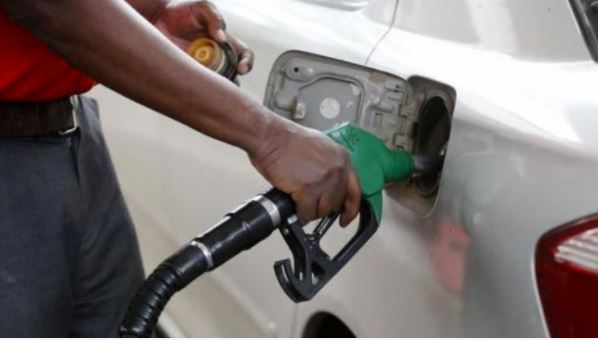
Kenya is eying Sh120 billion from the securitisation of an additional Sh5 from the Road Maintenance Levy Fund charged of fuel products, in continued efforts to raise roads development funds and cut on borrowing.
This follows the successful securitisation of an initial Sh7 of the Sh25 road maintenance levy charged per litre of fuel at the port of entry, that is expected to raise at least Sh174 billion.
The government, through the Kenya Roads Board (KRB) has so far received Sh126 billion from the Special Purpose Vehicle established by the Eastern and Southern African Trade and Development Bank (TDB), which is the lead player in the programme, with plans to go into the bond market to raise additional funds.
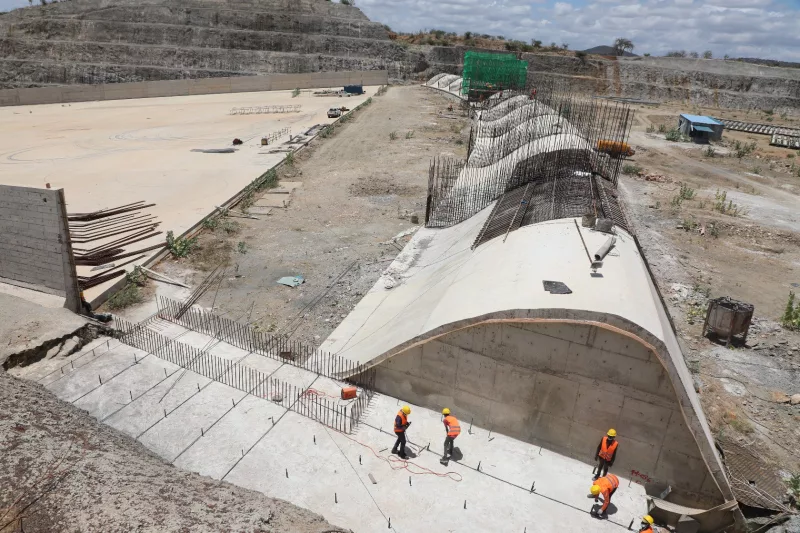
This has helped the government revive about 580 roadwork projects which had stalled due to pending bills totalling Sh174 billion owed to contractors.
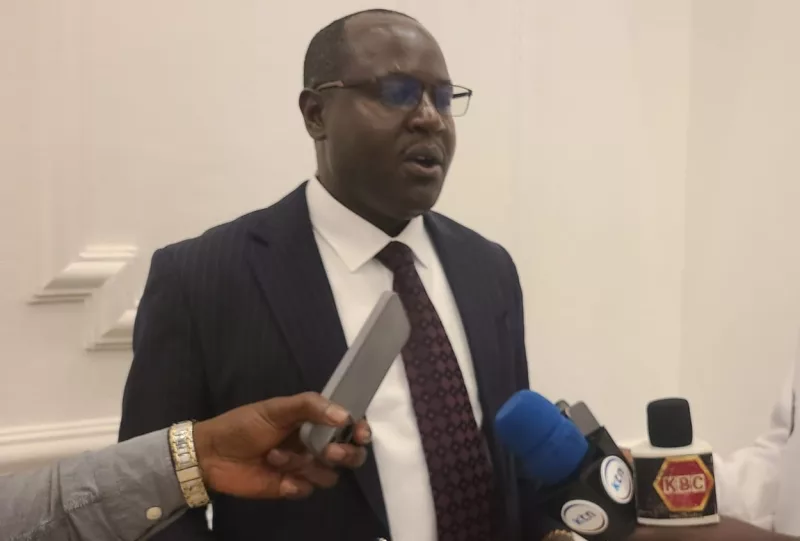
Speaking during an interview in Nairobi, KRB acting director general, Martin Agumbi, said the government has managed to clear verified debts owed to contractors and suppliers, paving the way for a large-scale revival of the critical road projects.
In November 2025, Cabinet approved a proposal to securitise an additional Sh5 per litre of the Road Maintenance Levy Fund (RMLF) to strengthen the kitty, bringing the total portion of the fuel levy being securitised to Sh12 per litre.
Securitisation of road funds is a financial mechanism where a government or road authority coverts future, predictable revenue—such as fuel levies or toll collections—into immediate, upfront cash by borrowing from investors.
KRB which is spearheading the strategic financing move expects initial funds from the additional Sh5 securitised portion starting next month.
“We have requested that we receive Sh60 billion in the current financial year, that is before June 2026 and the balance of 60 billion in the financial year 2026-2027. So in the next month or two, we expect to see inflows from this securitisation of the five shillings,” Agumbi said.
Based KRB’s cash flow projections, it estimates that new certificates that fall due will be in the region of 60 billion before June 2026.
In road and infrastructure projects, certificates are formal, authorised documents that confirm specific stages of work have been completed, verified and accepted according to the contract's quality and technical standards.
They serve as legal proof of performance, triggers for payment, and indicators of contractual milestones.
“The other Sh60 billion will go to repay the balance of the certificates and ensure project completion. So Kenyans can be rest assured that in the next one to two years, virtually all our roads will be more travelable and this will have is a significant impact on the economy,” Agumbi affirmed.
The government’s decision to opt for securitisation has reduced the need to borrow to bridge development budget gaps.
According to KRB, the annual maintenance requirement is between Sh180 billion and Sh200 billion, against a collection of Sh115 billion.
“So every year there is a shortfall in the amounts that can be made available for road maintenance. And this continues to accumulate over time and also as new roads are constructed. So instead of sitting with the Sh115 billion, securitisation ensures we secure more funds,” Agumbi said.
As of January 13, KRB had disbursed a total of Sh132.2 billion to road agencies, with Kenya Rural Roads Authority (KeRRA) getting Sh67.2 billion, Kenya National Highways Authority (KeNHA) has received Sh52 billion while Sh12.9 billion has gone to Kenya Urban Roads Authority (KURA).
Meanwhile, TDB is expected to float road bonds mainly in the local market, targeting at least Sh100 billion to support the drive.