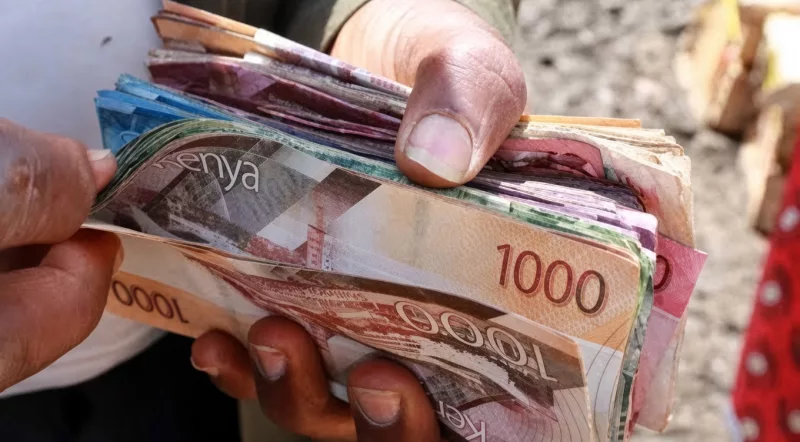
State bailout of struggling corporations declined by 16.9 per cent to Sh83.24 billion last year as the government stepped back from shoring up indebted entities.
National Treasury data shows the drop from about Sh100.2 billion a year earlier, largely driven by repayments by parastatals and the absence of major new government guarantees during the period.
The reduction comes amid sustained efforts by the Treasury to rein in contingent liabilities that have in the past posed significant fiscal risks.
Government-backed, or guaranteed, debt refers to loans contracted by State-owned enterprises but guaranteed by the national government, meaning taxpayers are ultimately liable if the borrower defaults.
“Government guaranteed debt as at the end of June 2025 amounted to Sh83.2 billion. The guaranteed debt is held by Kenya Ports Authority (KPA), Kenya Electricity Generation Company (KenGen) and Kenya Airways (KQ),” reads the Draft Medium-Term Debt Management Strategy for 2026-2027 to 2028-2029.
A large share of the guarantees relates to long-term infrastructure projects financed by the Government of Japan, including port expansion works in Mombasa and power generation projects.
While Kenya’s public debt remains sustainable, the country is assessed to be at high risk of debt distress, largely due to heavy debt service obligations and refinancing pressures.
The Treasury has in recent years tightened rules governing the issuance of guarantees, requiring stronger project appraisal, clearer repayment plans and enhanced monitoring of beneficiary entities.
It has also pushed for liability management operations and restructuring at financially distressed parastatals to prevent guarantees from being called.
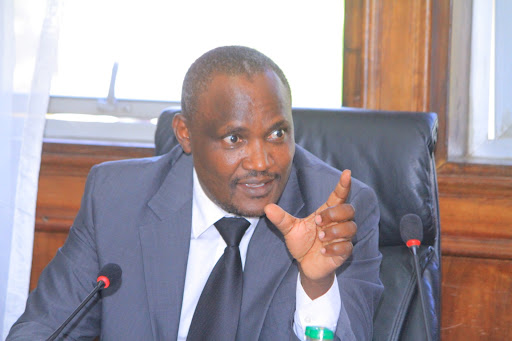
The drop comes at a time when the government is planning to increase borrowing from the local market to 78 per cent of its total debt in the next three years, in what Treasury Cabinet Secretary John Mbadi now says is a plan to reduce debt servicing costs.
The National Treasury will in the medium-term look to borrow 82 per cent in the local market despite fears of crowding out the local borrowers and supplement it with 18 per cent from the external markets.
In the Draft Medium-Term Debt Management Strategy for 2026-2027 to 2028-2029, the National Treasury says it wants to reduce pressure from high interest payments and frequent debt rollovers, which have weighed heavily on public finances.
“From the domestic sources, the strategy is to gradually reduce the stock of Treasury bills while lengthening debt maturity and issuance of medium to long-term debt securities,” said Mbadi in the Draft Medium-Term Debt Management Strategy.
By borrowing more at home, the government says it hopes to avoid losses caused by a weak shilling, which makes foreign debt more expensive to repay.
The strategy also focuses on reducing short-term borrowing, which forces the government to refinance its debt too often.
On the external end, the target is a mix of concessional optimisation and minimal commercial borrowing.
“Gross external financing would be composed of 10 per cent concessional, 2 per cent semi-concessional and 6 percent commercial borrowing. The expected composition of public debt at the end of the Strategy period will be 40 per cent external and 60 per cent domestic,” the strategy notes.
Treasury Bills, especially those that mature within a year, have grown rapidly and now pose a major repayment risk.
To address this, the government is considering changes to how it issues Treasury Bills and bonds so that debts are spread over longer periods and do not fall due all at once.
Another proposal in the strategy is the creation of a clear policy to guide how government bonds and Treasury Bills are issued and traded.
The aim is to improve planning, reduce borrowing costs and make government debt easier to manage over time.