
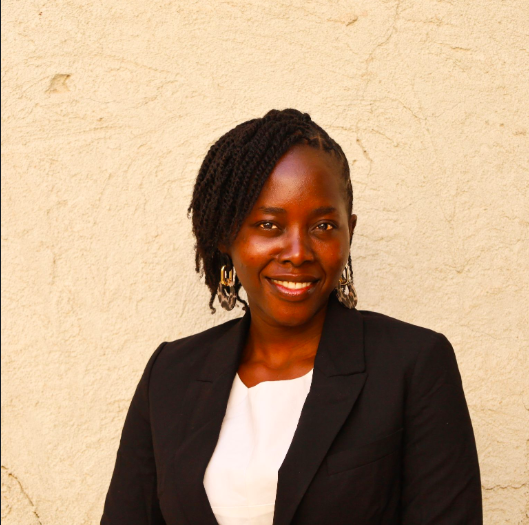

A survivor from Siaya has revealed the terrifying reality of sexual harassment and exploitation in Kenya’s higher learning institutions.
“If you refuse their advances and have a boyfriend and the lecturer spots or notices him, this boyfriend will also end up being harassed or victimised by the lecturer so that they can leave the girl alone,” she says.
“This situation therefore may eventually end up a physical or emotional violence case or a femicide one.
Her account forms part of the damning findings in a GBV report released on Monday by the Technical Working Group, which exposes sexual harassment, grooming, and exploitation across learning institutions.
The report warns that many female students are victimised academically when they reject sexual advances from lecturers or tutors a practice widely known as “sex for marks.”
According to the report, learning institutions have become sites of sexual harassment not only in higher education but also in primary and secondary schools, where teachers, caretakers, and support staff including drivers exploit their positions of power.
Reporting mechanisms are often weak or biased, leaving victims isolated, silenced, and vulnerable to retaliation.
“Cases of defilement of minors in primary and secondary schools are becoming common,” the report notes, adding that many incidents go unreported as victims are coerced into silence, threatened, or blamed for the abuse.
Survivors and their families are often pressured to protect the institution’s reputation, allowing perpetrators to remain in classrooms and corridors where they continue to prey on learners.
The GBV report warns that unchecked abuse in educational settings not only harms individual students but also normalises a culture of exploitation and impunity.
Young women who resist sexual demands risk failing grades, delayed graduation, or outright academic exclusion, while their personal relationships are deliberately targeted to isolate them.
The taskforce cautions that these environments can become breeding grounds for long-term trauma, repeat abuse, and, in extreme cases, lethal violence.
While receiving the report, President William Ruto declared that violence against any Kenyan is unacceptable, warning that abuse rooted in gender, power and inequality is a betrayal of the Constitution, national values and shared humanity.
Ruto said protecting life is a core duty of the State.
“Protecting life, dignity, and safety is not optional; it is a core duty of the State,” Ruto said, while stressing that ending gender-based violence cannot be left to government alone.
Ruto called for a collective national response, urging families, faith institutions, community leaders, security agencies and citizens to take responsibility.
“Parents and families must nurture respect and non-violence in the home. Religious institutions must uphold the sanctity of life and dignity. Community leaders and elders must reject harmful practices and silence around abuse,” he said.
Ruto said security agencies must act firmly and professionally in handling GBV cases.
He made the remarks as he received a report by the taskforce, chaired by former Deputy Chief Justice Nancy Baraza, which calls for urgent, coordinated action to address GBV, including femicide.
The report highlights rising cases of domestic violence, harmful cultural practices and technology-facilitated abuse, with women and girls bearing the heaviest burden.
The President said the report should mark a decisive shift in how the country confronts GBV.
“Let this report mark not an end, but a turning point; from silence to action, from impunity to accountability, and from fear to safety,” Ruto said.
“Together, as a nation, we must ensure that no Kenyan lives in fear because of their gender.”







