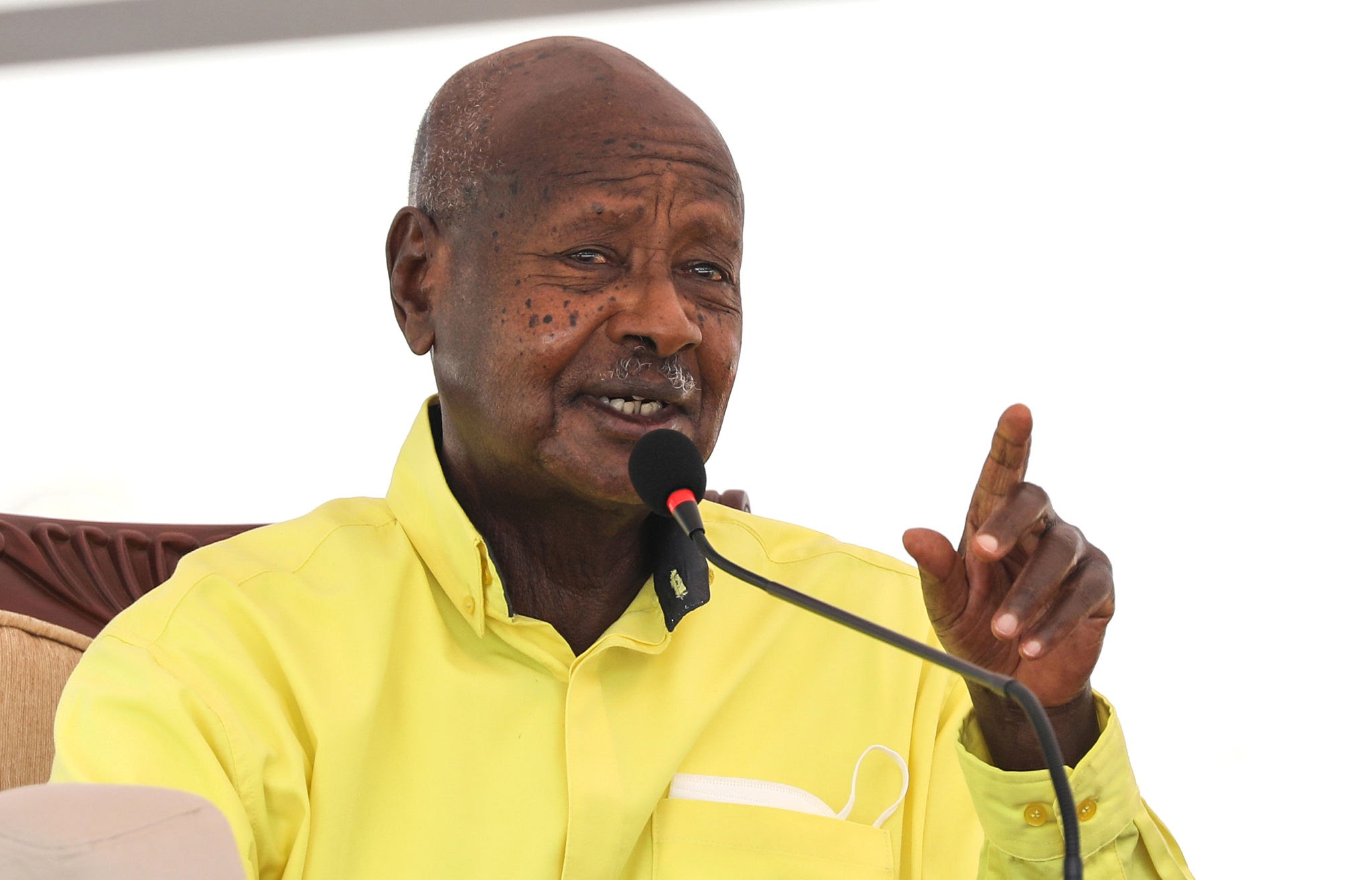
The declaration of Yoweri Museveni’s seventh consecutive term as Uganda’s president on 15 January 2026 was, for many, a foregone conclusion. The 81-year-old incumbent extended a rule that began in 1986, but the cost of this "victory" remains staggering.
The brazen manner in which it was achieved sends a chilling message far beyond Kampala’s borders, casting a long shadow over the democratic prospects of the entire East African Community. This was not merely an election; it was a masterclass in digital authoritarianism and state-sponsored repression, reinforcing a dangerous template for the region.
The process was compromised from the outset. On the eve of the vote, Ugandans were plunged into a state-enforced digital darkness. The Uganda Communications Commission’s nationwide internet shutdown was justified as a “precautionary intervention” to halt “electoral fraud”. However, the timing and execution suggested a far more cynical motive.
In reality, as primary challenger Bobi Wine asserted, it was a tactical weapon to “hide rigging and atrocities”. While a semblance of connectivity has slowly returned, the precedent is set. This mirrors the playbook seen in Tanzania’s 2025 elections and raises a grim spectre for Kenya as it eyes its 2027 poll. An internet blackout, as one regional analyst aptly noted, “is not a technical glitch; it is a tactical weapon used to create a ‘cover of darkness’ necessary for manipulation.”
Beneath this digital veil, severe human rights violations flourished with impunity. The violent patterns of the 2021 election, which left at least 54 dead, were repeated. Civil society, a crucial democratic check, was systematically muzzled through the freezing of NGO bank accounts.
A coalition led by the Kenya Human Rights Commission accused the state of using every institution to effect a “military takeover” of democracy.
The commission documented a harrowing pattern of abuse. Hundreds of opposition supporters were detained without trial and Bobi Wine himself reported that security forces raided his home, cut his power, and placed his family under house arrest. Beyond physical violence, the state engaged in financial sabotage, freezing the bank accounts of at least six non-governmental organisations to cripple independent oversight.
The KHRC aptly summarised the situation: “What is unfolding is not a democratic exercise, but a state-sponsored campaign of repression intended to subvert the will of the Ugandan people.”
The electoral integrity itself was a bad joke. Civil society audits revealed a voter register littered with duplicates, the names of the deceased and entirely fictional entries.
The KHRC coalition argued the final tallies were statistically “humanly impossible,” suggesting they “could only have been achieved through an AI algorithm.” This systemic manipulation, including the disqualification of over 20 opposition candidates, rendered the exercise a hollow ritual.
Uganda does not stand alone in this retreat from democratic norms. Political analysts watching the region speak of a pervasive “confidence deficit.” The model is worryingly replicable: combine a pliant judiciary, a weaponised security apparatus, a crippled civil society and a strategic digital blackout.
Tanzania’s 2025 election under President Samia Suluhu, once hoped to be a reformist turn, was marred by internet blackouts and hundreds of protestor deaths. Looking ahead, Sudan, Burkina Faso and Ethiopia remain high-risk zones for electoral and civil violence.
The question for East Africa in 2026-27 is whether this becomes the entrenched standard. The grim reality is, without any meaningful deterrents, the trend will not only take root–it will thrive.
Domestically, with executive dominance over judiciaries and electoral commissions, there are few repercussions.
The African Union’s observer mission, while criticising the military’s role and the shutdown for creating “suspicion and mistrust,” has historically been reluctant to move beyond stern statements. Its critique feels like a whisper against the roar of state machinery.
Internationally, the response has been tepid but is slowly gaining teeth. The United States has previously employed visa bans and there is mounting pressure for targeted sanctions against security commanders implicated in killings.
The cost of this authoritarian drift is not only measured in lives lost but in economic ruin. Tanzania’s 2025 shutdown allegedly cost its economy over TSh561 billion—a figure that dwarfs the annual budgets of many government ministries. Uganda now risks a similar fate—reductions in foreign aid, stalled investment and a growing disconnect from the global digital economy.
However, these repercussions remain inconsistent and often outweighed by geopolitical considerations. Until the cost of electoral malpractice—for the individuals in power and their economic backers—becomes unbearably high, the trend will continue.
Uganda’s 2026 “sham” is a stark warning. If this model is not met with unequivocal condemnation and meaningful action, both from within Africa and its international partners, the very idea of a free and fair election in East Africa risks becoming an anachronism. The darkness cast over Uganda may well be the forecast for its neighbours.