The European Union has expressed concern over Uganda’s 2026 general elections.
In a statement released in Brussels, the EU said it had taken note of the results announced by the Uganda Electoral Commission, which declared President Yoweri Museveni re-elected.
However, the bloc highlighted several issues cited in the AU–COMESA–IGAD Election Observation Mission’s preliminary report of January 17.
These included an uneven playing field during the campaign period, reports of arbitrary arrests of civil society actors, and a nationwide internet shutdown that affected the flow of information.
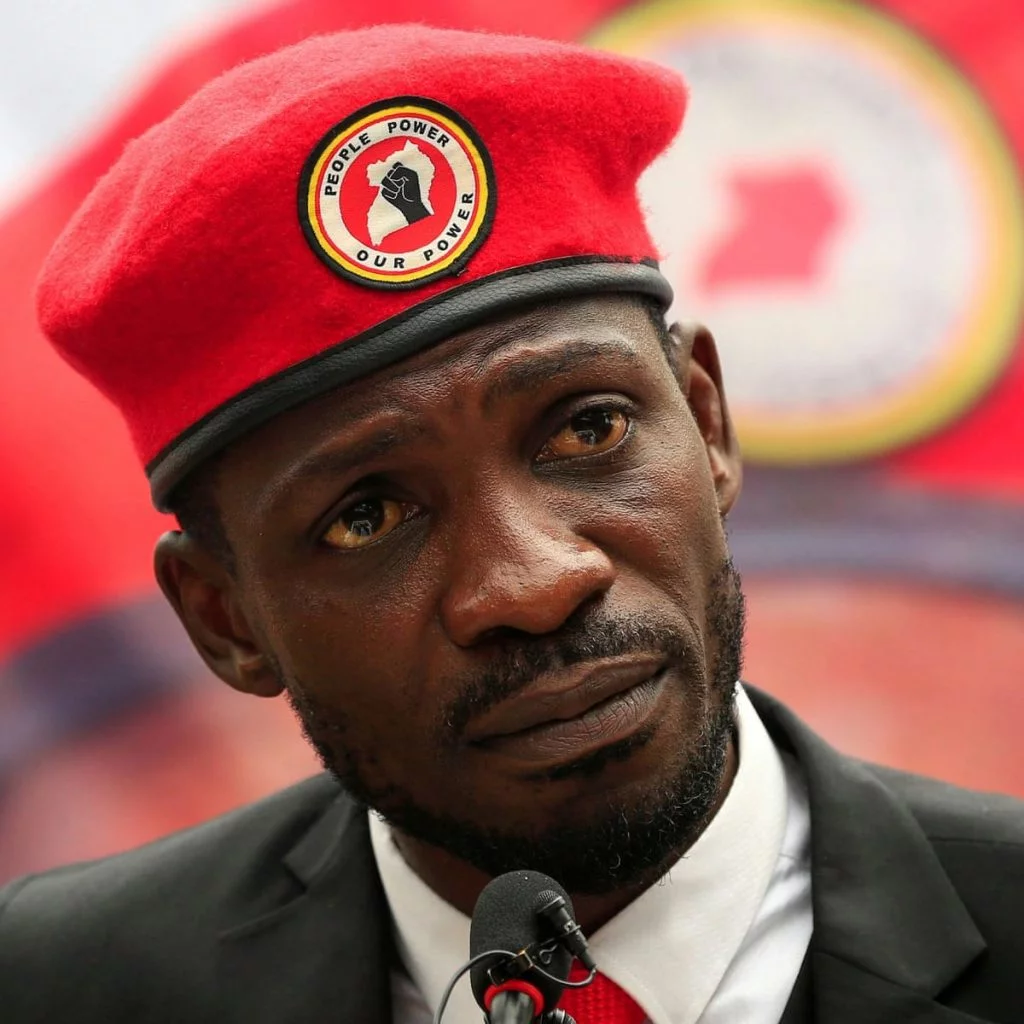
“We regret the pre- and post-electoral violence and threats, particularly against opposition leader Robert Kyagulanyi (Bobi Wine), and call on all parties to exercise restraint,” the EU said.
It urged Ugandan authorities to ensure the safety of all political actors and reaffirmed its intention to continue engaging with the government, civil society and the private sector “based on shared interests and mutual respect.”
Bobi Wine has been in hiding since January 17, with reports that his wife and other NUP members were assaulted.
On Friday, he said armed personnel had assaulted his wife while demanding to know his whereabouts.
The EU’s remarks came days after the African Union issued a contrasting assessment.
AU Commission chairperson Mahmoud Ali Youssouf praised the conduct of the January 15 polls and credited the joint observer mission, led by former Nigerian president Goodluck Jonathan, with contributing to what he described as a peaceful and orderly exercise.
“The Chairperson of the African Union Commission commends the conduct of the elections in Uganda and congratulates Yoweri Kaguta Museveni on his re-election with 71.61 per cent of the votes cast,” the AU statement read.
Youssouf also applauded Ugandans for maintaining calm and supporting democratic processes throughout the election period.
The AU’s positive appraisal drew criticism online, with some Ugandans accusing the continental body of overlooking grievances raised by the opposition.
Commentators questioned the credibility of the Union’s endorsement, arguing that it did not reflect reports of intimidation and irregularities.
Others said the AU’s position risked diminishing public confidence in regional institutions tasked with supporting democratic governance.
The Uganda Electoral Commission announced the final results on January 17, placing Museveni ahead with more than 7.9 million votes.
His closest challenger, National Unity Platform candidate Bobi Wine, received 24.72 per cent of the vote, amounting to over 2.7 million ballots.
Bobi Wine rejected the results, alleging widespread fraud but saying he would not challenge them.