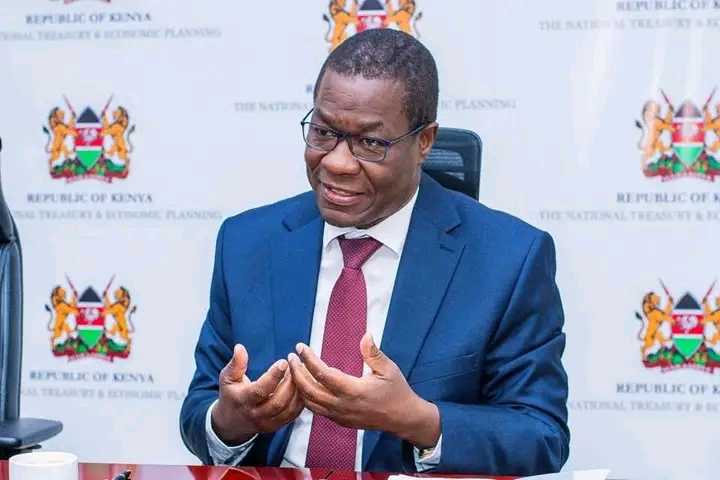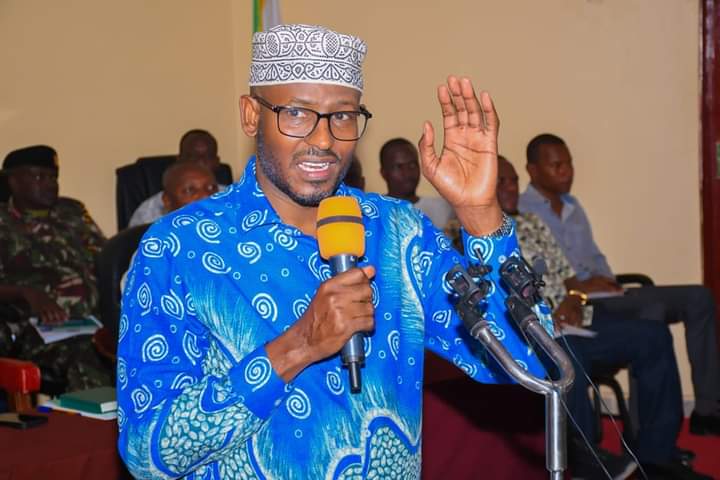
Wajir Governor Ahmed Abdullahi has refuted claims by former Deputy President Rigathi Gachagua that Northern Kenya’s slow development is the result of poor leadership.
He said the development gap between the region and the rest of the country cannot be explained by spending of either the National Government Constituency Development Fund (NG-CDF) or equitable share allocations to counties.
“The fact of the matter is that we have done more with devolved fund than the average county,” Abdullahi said.
The governor questioned how many counties have built standard tarmac roads exceeding 50km using equitable share funds or built medical training colleges, health facilities and teachers’ training institutions from scratch.
“Devolved money, whether through CDF or equitable share, has done more in Northern Kenya than the average county,” Abdullahi said.
“We started from a low base and are dealing with circumstances that are peculiar to us.”
He highlighted the vastness of the territory and the harsh climatic conditions that make development projects more challenging.
“We supplement money to buy relief food and it does not happen in many parts in Kenya,” he said.
“Taking water to people in the deep interior to help them deal with drought—our development is as a result of legacy issues and nothing to do with what the ex-DP is saying.”
On the subject of school infrastructure, the governor emphasised that priorities differ by region.
“We do not need to pave our schools, our sand is fine; all we need is the classrooms,” he said.
He stressed that functional infrastructure that meets local needs is more important than aesthetics.
Abdullahi said the apparent bitterness from Gachagua stems from political alignment.
“As a region, we have made the decision to support the current government and the re-election of President William Ruto,” he said, implying that political differences may be influencing criticism of Northern Kenya’s development.
Gachagua has previously criticised political leadership in Northern Kenya, attributing entrenched poverty and underdevelopment to weak accountability rather than lack of resources.
He described Northern Kenya as “the ailing silent patient of our Republic,” arguing that decades of public and donor investment have failed to deliver meaningful benefits to local communities.
The former deputy president said counties including Mandera, Garissa, Wajir, Marsabit, and Isiolo have collectively received more than one trillion shillings since devolution started in 2013, through national government transfers, NG-CDF allocations, the Equalisation Fund and Kenya Roads Board disbursements.
Abdullahi, however, said the focus should be on the unique challenges facing the region and the tangible progress made despite those hurdles, rather than attributing slow development solely to leadership failures.