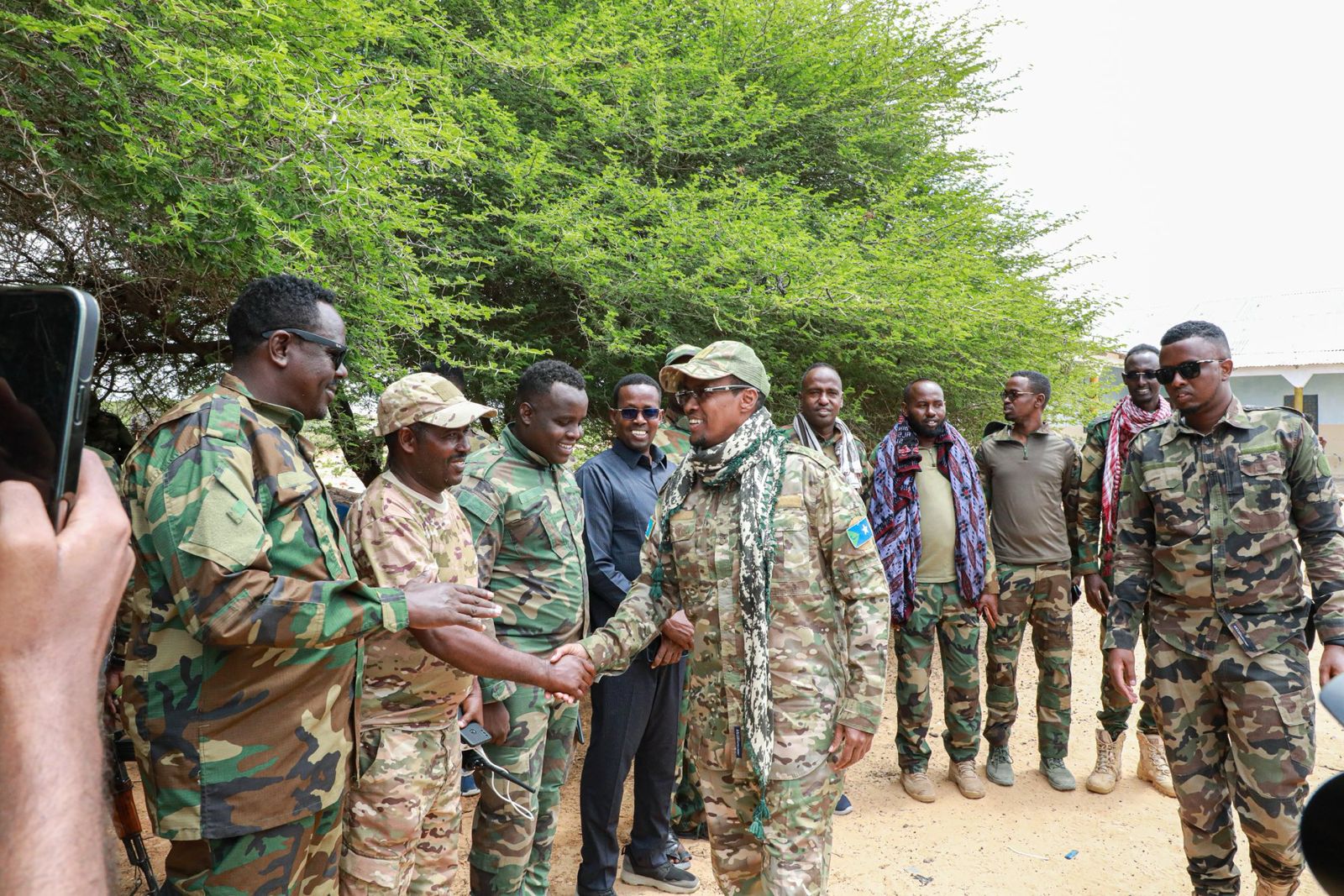
Hirshabelle State is reporting steady progress in public services and governance as it prepares for the 2026 elections, with authorities pointing to improvements in education, infrastructure and administrative capacity under President Ali Guudlaawe Hussein.
Since taking office in late 2020, Guudlaawe’s administration has prioritised the expansion of social amenities, particularly in the education sector. New schools have been constructed across multiple regions in the state’s two regions, widening access to learning in areas that previously faced acute shortages of facilities.
Officials say the investments are part of a broader strategy to strengthen service delivery and lay the groundwork for long-term socio-economic development.
In the state capital, Jowhar, authorities have focused on rehabilitating key government offices, a move aimed at enhancing efficiency and bringing services closer to residents.
The renovations are also intended to rebuild institutional capacity after years of strain on public systems.
The state government has worked in coordination with the federal administration led by President Hassan Sheikh Mohamud to sustain development momentum.
This cooperation has extended beyond infrastructure to include joint security operations, with regional and federal forces reclaiming territory from militant groups.
The improved security situation has created what officials describe as a more conducive environment for development initiatives to take root.
Residents say the changes are beginning to be felt at the household level.
“The cost of living is becoming more affordable, and government services are now closer to the people,” said Abdi Gorana, a resident of Hirshabelle.
Analysts attribute part of the progress to political continuity within the state leadership. Political analyst Abdi Abdalla said maintaining the same administration over time has helped sustain ongoing projects and ensure accountability.
“Continuity allows leaders to follow through on development plans and deliver results,” Abdalla said, warning that frequent leadership changes can disrupt progress and delay key initiatives.
Attention is now turning to the upcoming elections scheduled for July 9, 2026, which are expected to be a significant milestone for the state’s governance framework.
The polls will be conducted under the supervision of the National Independent Electoral and Boundaries Commission and are set to include local council elections and the formation of a new parliament.
Authorities have indicated plans to implement a “one person, one vote” system, a shift that could mark a major step toward broader democratic participation.
Officials say the success of the electoral process will be critical in consolidating recent gains and reinforcing governance structures.
They argue that continued investment in public services, coupled with credible elections, will be key to advancing stability and inclusive development.
As the elections approach, Hirshabelle’s leadership is betting that tangible improvements in daily life, alongside a relatively stable security environment, will strengthen public confidence and support for ongoing reforms.