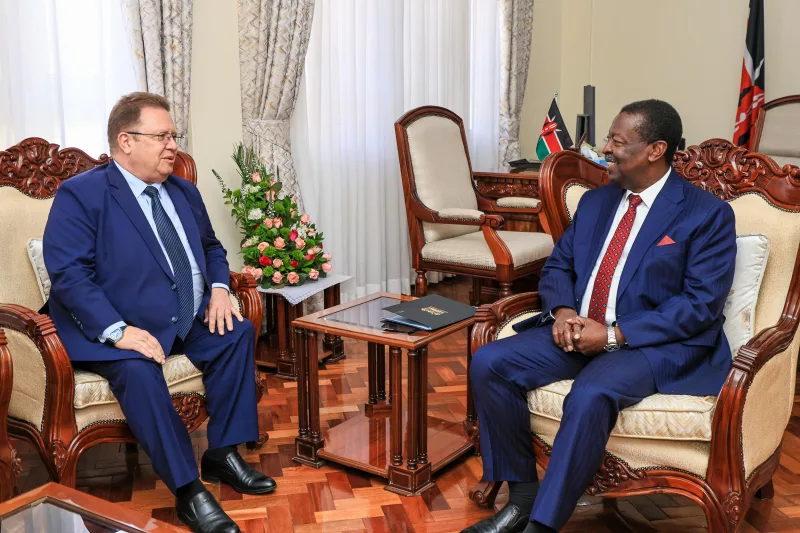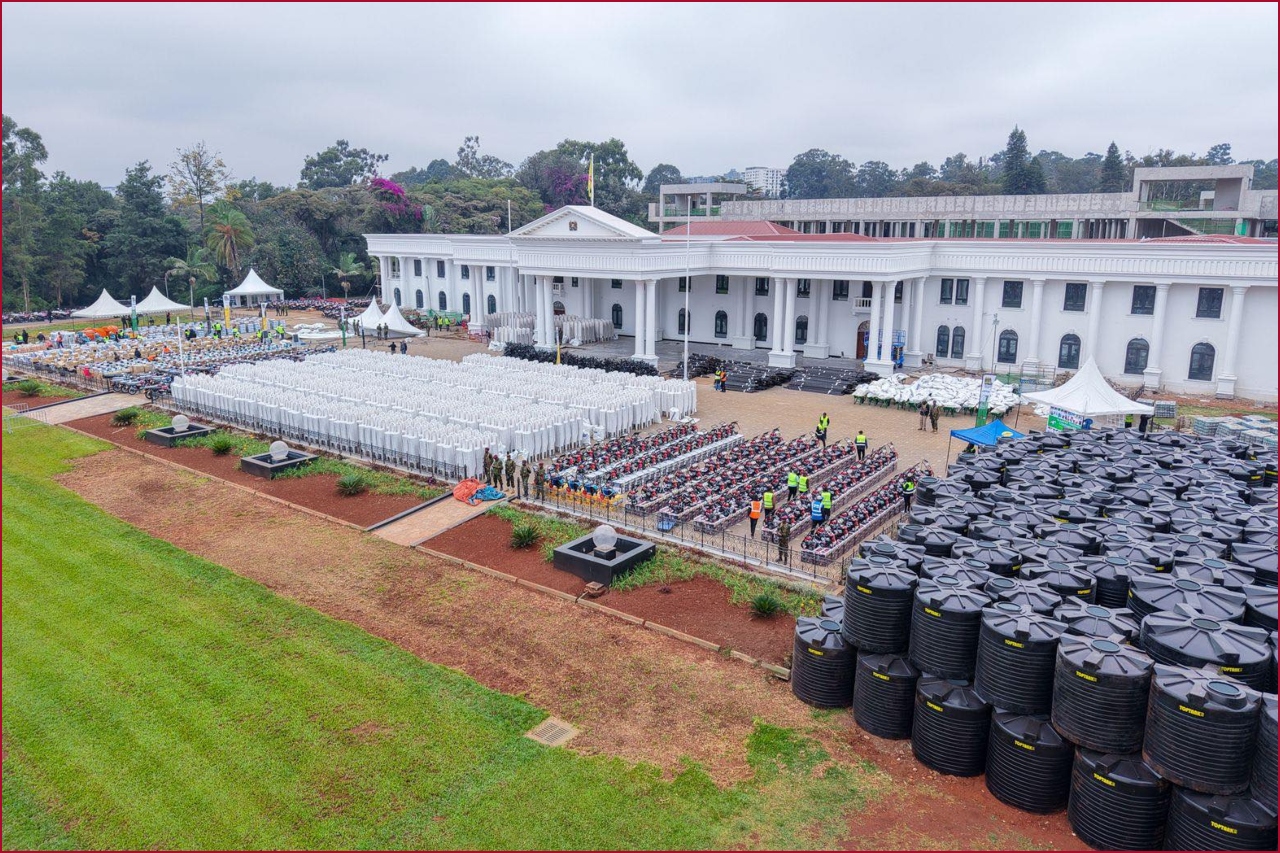
Empowerment materials paraded at the State House, Nairobi. /STATEHOUSE
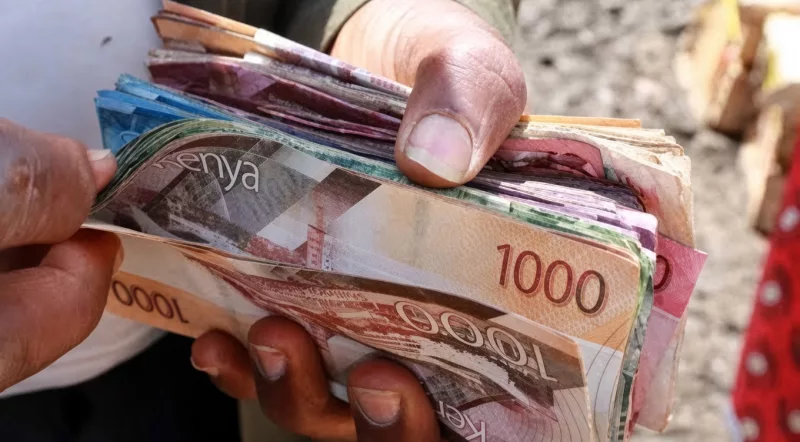
The National Treasury released more money to the State House than originally planned in the first six months of the 2025-2026 financial year, exhausting its full-year budget in just six months.
Fresh data released by the National Treasury places the President's official residence and office annual recurrent budget estimates at Sh7.68 billion, but as of December 2025, it had received Sh9.08 billion.
Based on standard public finance management practices, ministries and government agencies are expected to have absorbed at least 50 per cent of their total annual budget by the end of the first half (H1) of the financial year.
This saw the widening gap between approved budgets and actual cash disbursements to state house hit Sh1.4 billion in just six months even as state agencies continue to strain the budget.
The over-release places State House among a small group of institutions whose actual receipts significantly exceeded original projections, even as several other agencies received far less than planned.
An average breakdown of the Statehouse’s Sh9.1 billion exchequer issues in six months, shows that about Sh1.52 billionwas disbursed to Statehouse every month.
Overall, Treasury disbursed a total of Sh1.18 trillion in net exchequer issues to national government entities in the six-month period, representing about 52 per cent of the full-year estimates.
The bulk of the funds went to recurrent expenditure, particularly salaries, debt-related obligations and security operations.
“The National Police Service (NPS) emerged among the single largest recipient of exchequer funds, receiving Sh63billion against a half-year estimate of Sh61.9 billion, slightly above target,” treasury data shows.
The Ministry of Defence only received a tenth of its projected issuances by December 2025, where as it ought to have received 50 per cent.
This was a disbursement of Sh100 million against a total annual estimate of Sh1billion.
The Teachers Service Commission (TSC) was another major beneficiary, receiving Sh201.3 billion by mid-year against an annual estimate of Sh385.6 billion.
Although slightly above the half year estimate, TSC funding remained largely protected due to its statutory wage obligations.
Parliament also ranked among the entities that received slightly less than the 50 per cent, that PFM Act envisions by half year.
The National Assembly received Sh12.88 billion, against the expected Sh14.29 billion that they out to have received by December 2025.
State Department for Medical Services only received Sh3.25 billion against an annual estimate of Sh13.62 billion.
The discrepancy in exchequer issuances comes amidst the Auditor-Generals’ continued concerns, flagging consistent delays in exchequer releases to Ministries, Departments, Agencies (MDAs) and County Governments, with funds sometimes released as late as July, after the financial year has ended.
The near-full funding contrasts sharply with cuts experienced by smaller independent offices.
“Entities like Salaries and Remuneration Commission only received 37 per cent of their allocations, equivalent to Sh278.06 million out of an annual projection of Sh751.72 per cent,” the data shows.
Development-oriented agencies were among the most affected by under-disbursement. Several ministries received less than 45 per cent of their annual development budgets, as Treasury prioritised recurrent obligations.
However, an analysis of treasury documents shows no corresponding increase in the approved estimates for Statehouse, meaning the additional Sh1.4 billion may have been funded through reallocation within the consolidated fund rather than Parliament-approved adjustments.