As Kenya’s political elite begin the slow, ritualistic warming-up for the 2027 general election, a familiar drama is unfolding in the Mt Kenya region—except this time, the script is being rewritten by the man holding the pen. President William Ruto, confronted by an internal challenge from his former deputy, Rigathi Gachagua, is not shouting, protesting or convening roadside press conferences. He is doing something far more dangerous in Kenyan politics: quietly winning.
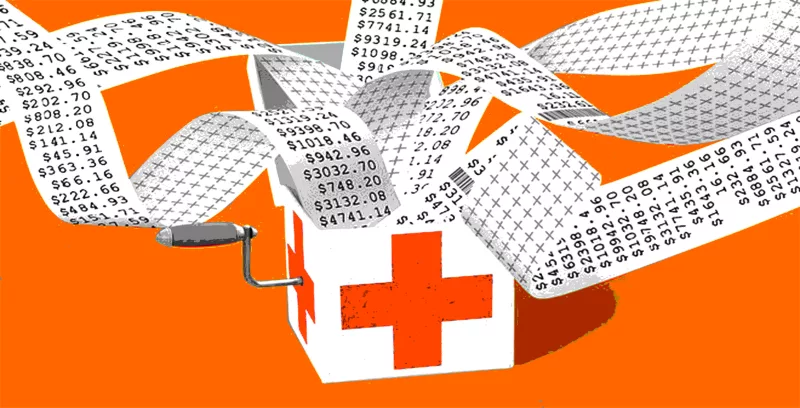
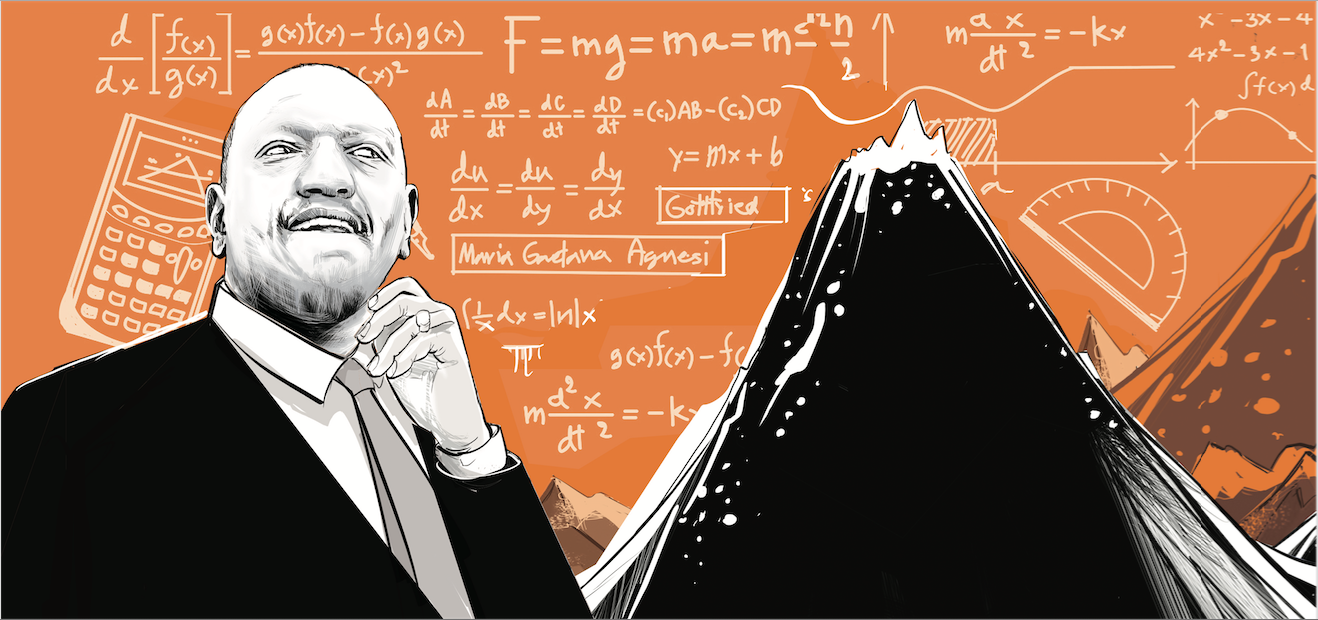
This is not politics of outrage or nostalgia. It is politics of arithmetic—where numbers, resources and timing matter more than emotion.
At the heart of Ruto’s strategy is the ultimate advantage: incumbency. The presidency, long recognised as Kenya’s most powerful campaign tool, is being used with surgical accuracy. Development tours around Mt Kenya—such as classroom openings, youth and women's empowerment initiatives, electricity hookups and road inspections like the Kenol–Marua dual carriageway—are no longer just acts of governance. They are carefully targeted reminders of where power resides.
The message is refreshingly unromantic: proximity to the state power delivers development; distance delivers explanations.
This “politics of delivery” has the added benefit of bypassing traditional political brokers. It establishes a direct relationship between the President and voters, leaving intermediaries to explain why they are shouting while others are signing project documents. For governors and MPs, the choice becomes less philosophical and more nutritional. Align with the government and feed your constituency—or resist and prepare long speeches about marginalisation.
At the same time, Ruto has been quietly rebuilding the United Democratic Alliance (UDA) into something most Kenyan parties rarely become: an institution. While rival power centres depend heavily on personality, symbolism and righteous anger, Ruto is putting effort into the less glamorous work of grassroots party structures. The election of officials is not about applause; it's about voter mapping, mobilisation and discipline. In short, while others are holding microphones, UDA is sharpening its knives.
The President’s handling of Mt Kenya’s internal conflicts is equally calculated. The appointment of Deputy President Kithure Kindiki was not an act of generosity; it was strategic political calculation. By elevating Mt Kenya East, Ruto broke the region’s long-standing dominance and made sure the mountain spends more time balancing itself than uniting against State House. After all, a divided mountain is a cooperative mountain.
Ruto has also demonstrated an advanced understanding of ambition—not as an enemy, but as a resource to be leased. Former Cabinet Secretary Moses Kuria’s public support for Ruto’s 2027 re-election, neatly packaged as a downpayment for a 2032 ambition, is a masterclass in political deferred gratification. Ambition is not killed; it is postponed, labelled and stored safely until further notice.
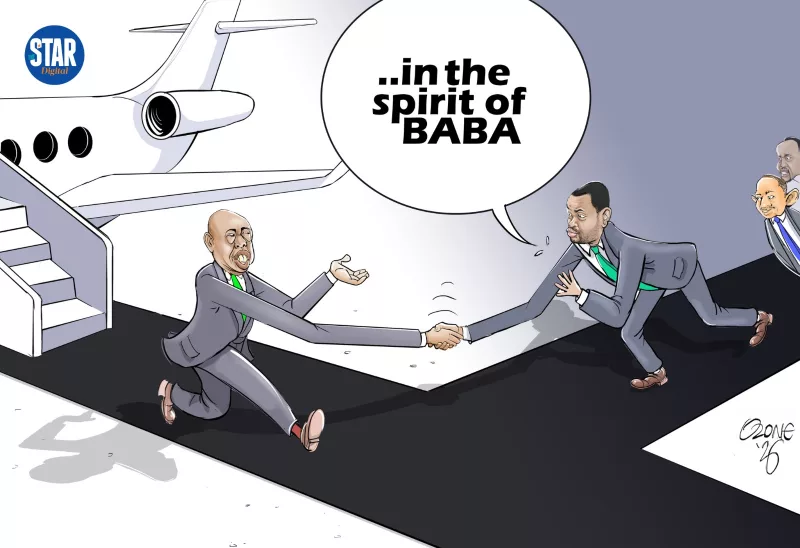
The results are now visible, and they are almost comical in their predictability. A steady procession of Mt Kenya leaders has begun gravitating back to President Ruto, each armed with a carefully worded explanation about “development priorities”. Juja MP George Koimburi cited constituency needs. Nyeri Governor Mutahi Kahiga recalibrated with the elegance of a man reading the room—and the budget.
More telling is the posture of formerly outspoken figures such as Githunguri MP Gathoni Wamuchomba, former Laikipia Woman Representative Cate Waruguru and Woman Representative Mary Wamaua. Once comfortable in the politics of defiance, they now appear increasingly interested in the politics of access. The lesson is an old one: rebellion is thrilling, but relevance pays better.
Ultimately, Ruto’s reaffirmation of control over Mt Kenya is neither accidental, chaotic nor emotional. It is a deliberate demonstration of how power is built, maintained and normalised in Kenyan politics. By harnessing incumbency, institutionalising party structures and carefully timing his ambitions, the President is not competing against alternatives—he is rendering them inconvenient.
As 2027 nears, the numbers are quietly tipping in his favour. Mt Kenya is not being reclaimed with slogans, complaints or political nostalgia. It’s being reclaimed through development budgets, party registries and strategic patience. In Kenyan politics, emotion may rally crowds—but math wins elections. And Ruto, it seems, has done the math.
Strategic advisor and expert in leadership and governance