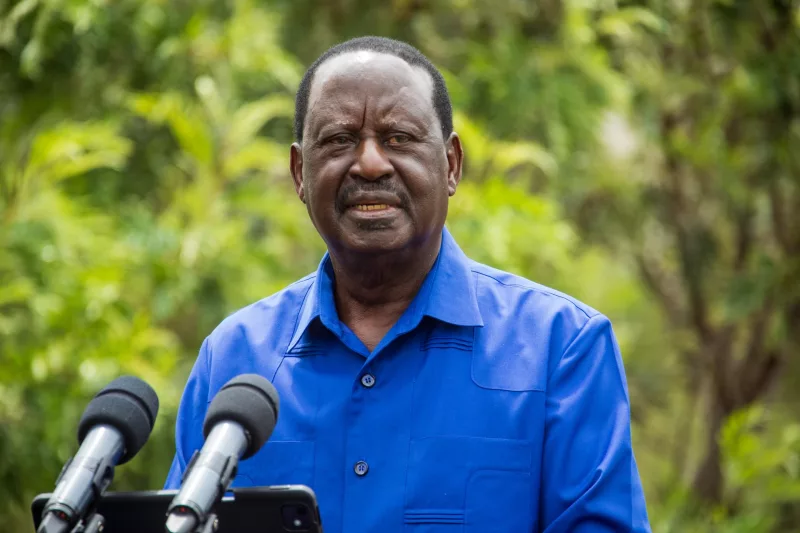
Rigathi Gachagua’s recent comments on Alliance High School and whether it “belongs” to the Kikuyu community were met with predictable reactions—outrage in some quarters, applause in others and a flurry of hot takes across social media.
Yet most of these reactions miss the point. This is not, at its core, a debate about a school. It is a conversation about Project Kenya—and whether, more than 60 years after Independence, we have truly become a nation of citizens or remain a collection of tribes managing a shared inconvenience called the state.
Alliance High School is a powerful national symbol. Established during the colonial era, it became one of the key sites for producing Kenya’s post-Independence elite. Presidents, cabinet ministers, intellectuals, jurists, clerics and professionals have passed through its gates. Over time, Alliance came to represent meritocracy, national excellence and the idea that the best minds—regardless of background—could be moulded for national leadership.
It is precisely because of this symbolic power that claims of ownership provoke such discomfort. When a national institution is rhetorically tethered to a specific community, what is being asserted is not history but entitlement. Not memory, but possession. And that is where the deeper problem lies.
Kenya has never fully resolved the tension between ethnic identity and civic citizenship. At Independence, the promise was clear: the colonial subject would be transformed into a citizen, equal before the law and belonging equally to the republic. But the postcolonial state did not erase ethnic consciousness; it weaponised it. Political mobilisation, resource allocation and access to opportunity gradually became mediated through ethnic proximity to power. The state was national in name, but ethnic in operation.
This contradiction continues to haunt us. We speak eloquently about national unity while instinctively viewing public institutions through ethnic lenses. Universities, parastatals, roads, appointments, and even disasters are interpreted not as national phenomena but as ethnic transactions. Who gained? Who lost? Which community benefited? Which was sidelined?
Gachagua’s comments resonate not because they are historically accurate or morally defensible, but because they tap into this deeply embedded logic. The unspoken assumption that nothing in Kenya is truly neutral. That every institution must belong to someone. That power is never civic, only communal.
This mindset exposes a painful truth: many Kenyans do not experience the state as a shared civic project, but as a contested ethnic marketplace. Loyalty to tribe often supersedes loyalty to the republic. National success is read as ethnic conquest, and national failure as ethnic exclusion. In such a context, citizenship becomes thin—conditional, fragile and transactional.
The tragedy is that this framing diminishes us all. When national institutions are ethnicised, they lose their integrative power. They cease to be spaces where a Kenyan identity is cultivated and instead become symbols of division. We stop asking how institutions can serve the nation and begin negotiating how they can advantage “our people.” The language of entitlement replaces the language of responsibility.
Alliance High School, in this debate, is merely the canvas. The real portrait is of a country still struggling to imagine itself beyond bloodline and birthplace. A country where the question of “who owns what” consistently overwhelms the more important question of “what belongs to all of us”.
This moment, uncomfortable as it is, invites serious introspection. Are we citizens bound by a shared civic contract, or tribal charlatans temporarily inhabiting a republic we do not fully believe in? Do we see Kenya as a common good or as spoils to be divided periodically through political power?
Project Kenya was never meant to be a zero-sum ethnic bargain. Its promise—however imperfectly pursued—was that institutions would outlive individuals, that the law would matter more than lineage, and that citizenship would be thicker than tribe. Every time we normalise ethnic claims over national symbols, we erode that promise.
The danger is not in speech alone, but in acceptance. In the quiet nod that says, “This is how things work.” That resignation is how nations stall.
Perhaps this debate offers a rare opportunity—not for outrage or applause, but for honesty. To confront the uncomfortable possibility that our greatest challenge is not bad leaders alone, but a shallow sense of nationhood among the led.
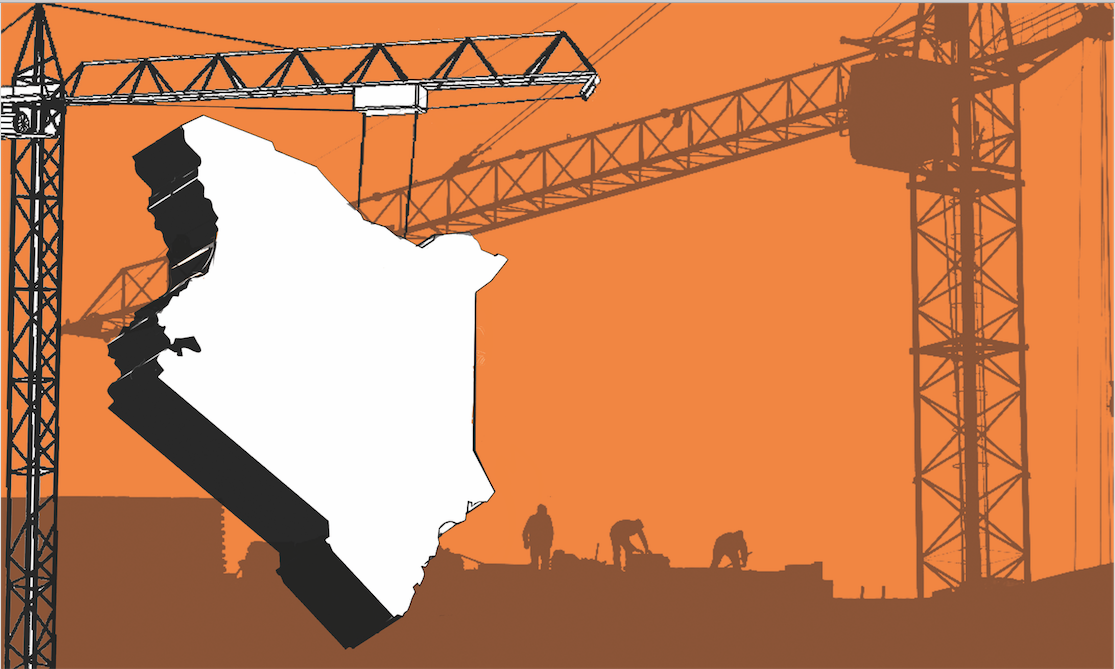
Until we resolve that, Alliance High School will never just be a school. And Kenya, for all its symbols and slogans, will remain a nation still under construction.
Wanjawa teaches globalisation and international development at Pwani University and is a programmes associate at DTM, a media CSO