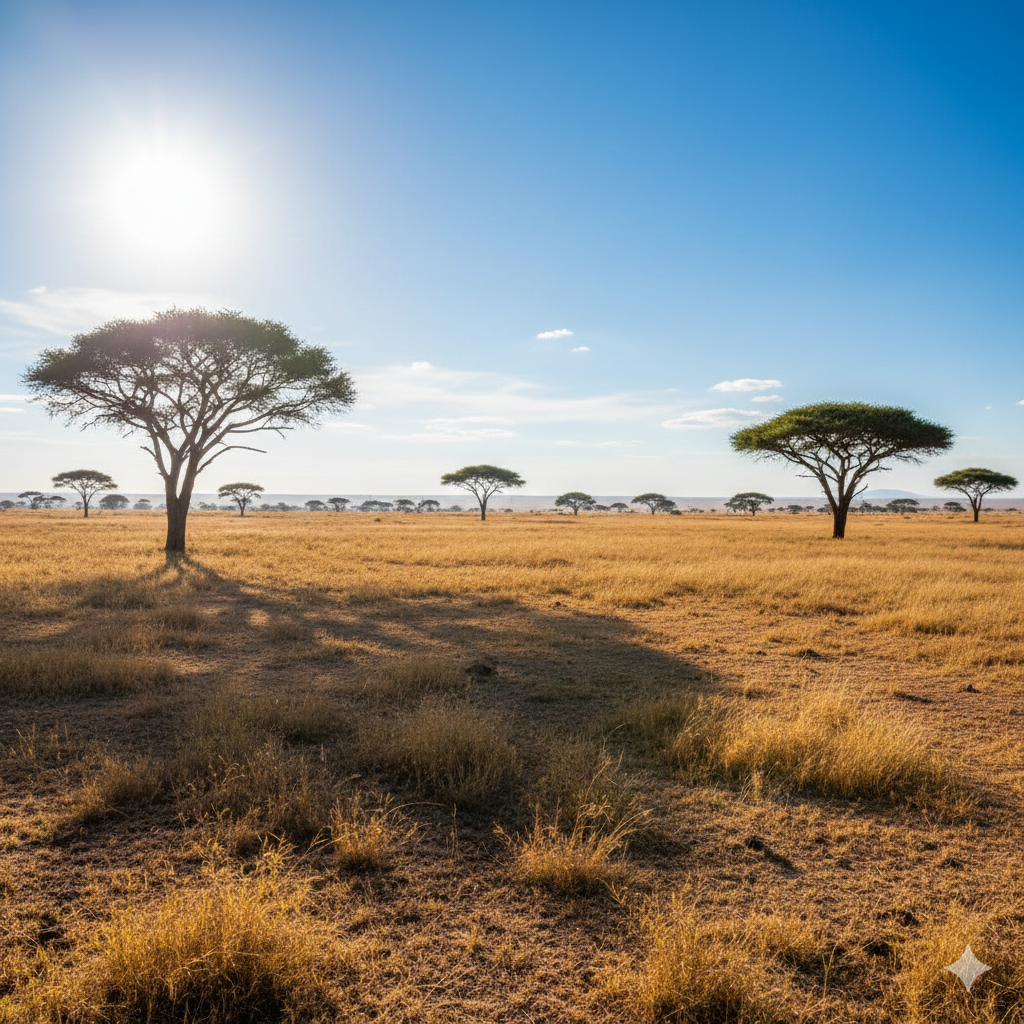
In its weekly forecast for January 20 to 26, the Department noted that “predominantly sunny and dry conditions are anticipated across several parts of the country”.
Met, however, added that showers are likely in the Highlands East and West of the Rift Valley, the Lake Victoria Basin, the Rift Valley itself, the Coast, and parts of the South-eastern lowlands.
According to the forecast, temperatures will remain high in several areas.
Daytime highs above 30°C are expected in North-eastern and North-western Kenya, the Coast, sections of the South-eastern lowlands, parts of the Rift Valley, and the Highlands West of the Rift Valley.
Night-time temperatures will, however, remain low in parts of the country.
The forecast indicates that minimum temperatures below 10°C will be recorded in parts of the Highlands East and West of the Rift Valley, the Rift Valley, and areas near Mt Kilimanjaro.
Residents in these regions have been advised to expect cool nights and early mornings.
The Department said the mixed pattern of sunny conditions and isolated rainfall is typical for this period and urged the public to stay updated on daily forecasts.
In its latest outlook for January weather, the Kenya Met cautioned that the prolonged dryness is likely to worsen food insecurity as the availability of food, water and pasture continues to decline.
“The current dry conditions being experienced over the northern and parts of the eastern sectors of the country are expected to exacerbate. The limited pasture and water over the ASAL areas may lead to resource-based conflicts among pastoral and farming communities,” the department said.
According to the weatherman, the situation could also trigger an increase in malnutrition-related diseases, especially in northern Kenya, where vulnerable populations are already under strain.
Kenya Met advised that contingency plans be put in place to ensure the timely provision of food and nutritional supplements to the most at-risk communities.
The department further warned that the extended dry spell may result in reduced water levels in reservoirs, lakes and ponds. This, it said, could create favourable conditions for wildfires in forests, national parks and reserves, posing an additional threat to ecosystems and nearby communities.
To mitigate this risk, authorities have been urged to provide fodder and establish watering points for wildlife to reduce competition with local communities.