Breastfeeding plays a vital role in ensuring the healthy growth and development of infants, providing benefits that extend far beyond basic nutrition.
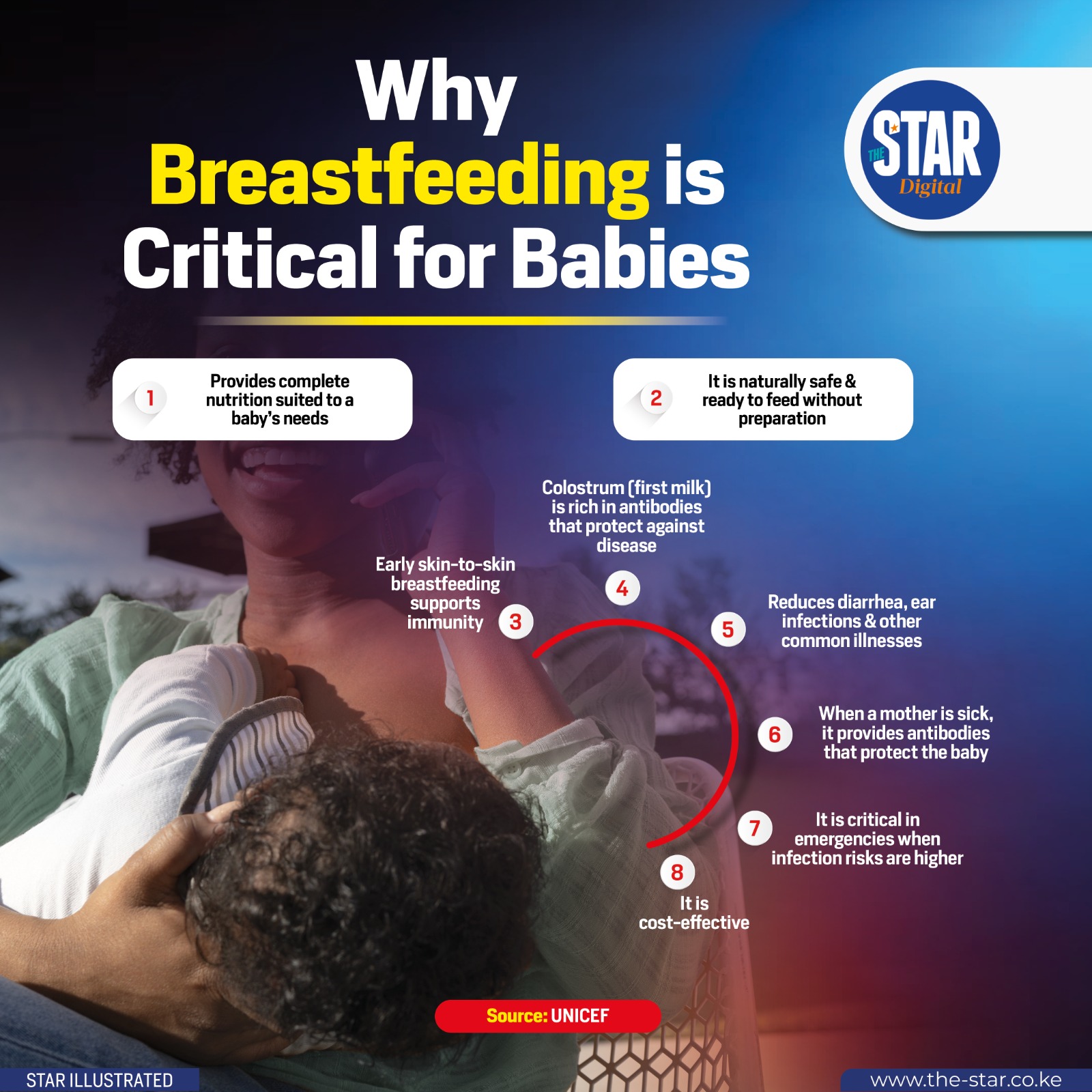
According to UNICEF, breast milk offers complete and balanced nutrition perfectly suited to a baby’s needs, especially during the first six months of life.
Breast milk is naturally safe and always ready to feed, eliminating the risks associated with improper preparation or contaminated water. This is particularly important in environments where access to clean water and sanitation may be limited.
Early skin-to-skin contact and initiation of breastfeeding immediately after birth help strengthen a baby’s immune system and promote bonding between mother and child.
Colostrum, the first milk produced after birth, is rich in antibodies and essential nutrients that protect newborns from infections and disease.
Breastfed babies are less likely to suffer from diarrhea, ear infections, and other common childhood illnesses. When a mother is ill, her body produces antibodies that are passed to the baby through breast milk, offering additional protection.
Breastfeeding is especially critical during emergencies such as disease outbreaks or humanitarian crises, when the risk of infection is higher and safe feeding alternatives may be unavailable.
In addition to its health benefits, breastfeeding is cost-effective, reducing the financial burden on families while ensuring optimal infant nutrition.





Comments 0
Sign in to join the conversation
Sign In Create AccountNo comments yet. Be the first to share your thoughts!