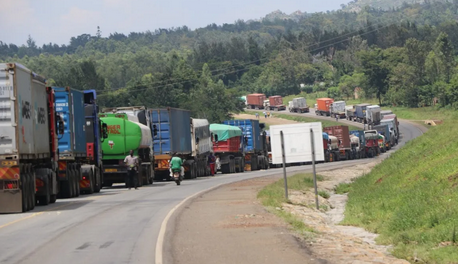
This, as the Port of Mombasa also feels the heat from reduced cargo clearance activities and truck-turnaround time which is adding to an already existing empty container crisis and port congestion.
Uganda ordered all licensed Mobile Network Operators and related service providers in the country to suspend internet access and outbound roaming calls to One Network Area countries, effective Tuesday January 13, ahead of the Thursday General Elections, “until a restoration notice is issued.”
During this period, all non-essential public internet traffic must be blocked, Uganda Communication Commission (UCC) said in an insruction letter to Mobile Network Operators and Internet Service Providers.
Public internet traffic includes but not limited to social media platforms, web browsing, video streaming, personal email services and messaging applications among others.
The suspension applies to Mobile Broadband (Cellular), Fibre Optic, Leased Lines, Fixed Wireless Access, Microwave Radio Links and Satellite Internet Services.
“This measure is necessary to mitigate the rapid spread of online misinformation, disinformation, electoral fraud and related risks, as well as preventing of incitement of violence that could affect public confidence and national security during the election period,” UCC executive director, Nyombi Thembo, said.
While the government said essential services including financial sector, utilities platforms, fuel distribution logistics, transportation and aviation control systems and railway signaling would remain supported, the measures have had a significant impact on cargo and passenger movement with traders in Kenya anticipating losses from supply chain disruption.
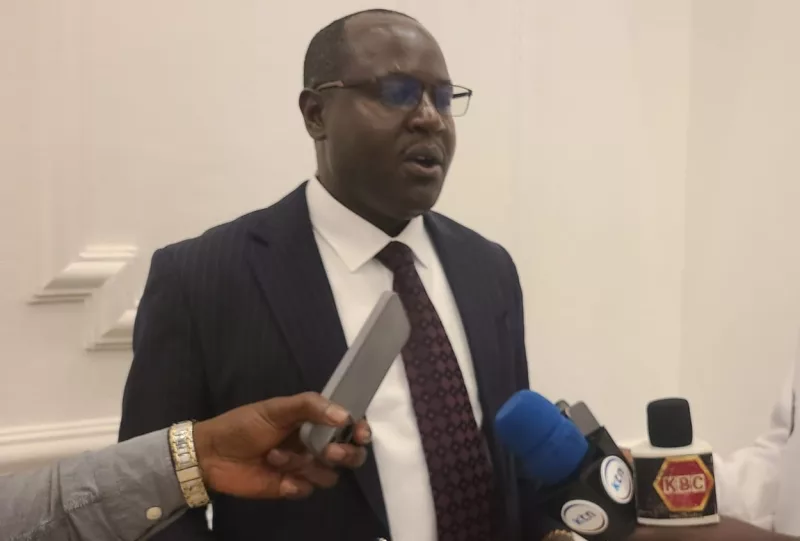
Kenya Transporters Association (KTA) chairperson, Newton Wang'oo, yesterday noted that invoicing, tracking of trucks and cargo delivery has been affected.
Communication with the drivers, clients through WhatsApp, message, Telegram and other platforms has been affected, leading to disruption in cargo delivery.
“We are working in the dark. The world now is being run by the internet and with the situation, we cannot tell where our trucks or clients’ cargoes are.Communication with drivers has also been affected. We however know it is temporary so we hope normalcy will resume soon,” Wang’oo told the Star.
Kenya International Freight and Warehousing Association (Kifwa) has also noted that transit cargo which relies on GPRS trackers that report via mobile data and public Internet, have been affected.
It has warmed of a potential traffic snarl up at the border posts since some customs and logistics platforms rely on internet access.
“Logistics heavily relies on Internet access and real time visibility and so if public internet is suspended, coordination becomes harder, tracking and submission of documents become slow and transit experiences delays,” Kifwa national chairman, Fredrick Aloo, told the Star.
The 1,700 kilometre-long corridor which runs between Mombasa (Kenya), Uganda Rwanda, Burundi and Eastern DRC remains the most preferred for transit goods by traders in the region, with Uganda a key transit country.
There are at least 1,500 trucks along the Northern Corridor at any given time, according to the industry data.
Kenya Long Distance Truck Drivers Association (LDTDA) yesterday said drivers are finding it difficult to move in Uganda, citing intimidation by the military and police whom have been heaviuily deployed.
"Our drivers are also finding it difficult to transact especially on mobile money platforms because of the network issue. They cannot also communicate. We are wondering if Uganda is in an election or war. Things are difficult for drivers," the association’s Secretary-General, Nicholas Mbugua, said.
The disruption comes amid an empty container crisis at the Port of Mombasa occasioned by a high cargo throughput and limited storage space in Mombasa, with shipping lines imposing heavy demurrage charges over delays in returning empties.
Slow clearance at the Kenya-Uganda borders means an increase of truck-turnaround time which has been averaging 3.7 to four days for a one-way delivery between Mombasa and Kampala.
Full round-trip times (including return) can vary from 3.7 to over 10 days depending on border delays, with more days if cargo is going beyond Kampala.
Empty container return free periods (detention) at Mombasa Port vary by destination, typically allowing nine to 14 days for local cargo and up to 30-52 days for transit goods.
Demurrage charges range from approximately $13 (Sh1,677) to over $100 (Sh12, 900) per container, per day, once the initial "free time" has expired.
In 2024, transit volumes to and from Uganda accounted for 65.6 per cent of total transit volumes through Mombasa, up from 62.3 per cent in 2023, making Uganda the main port user and leading trading partner for Kenya.
Value of exports to Uganda was Sh125.9 billion last year, a drop compared to Sh126.3 billion the previous year.