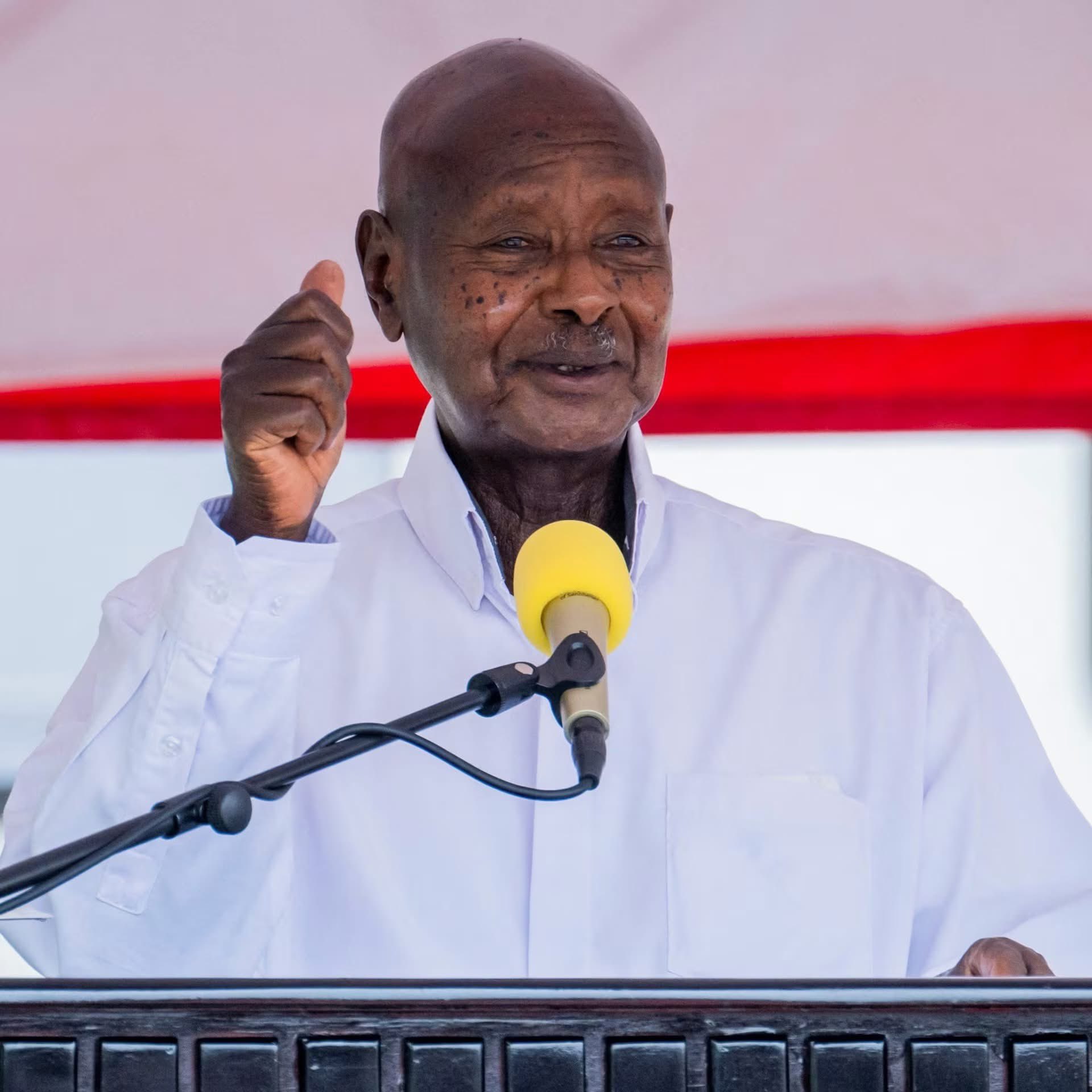
Ugandan President Yoweri Museveni has justified the controversial shutdown of Uganda’s internet during the country’s tense 2026 general election, insisting it was a temporary and necessary step to protect national security and public order.
The move, which has drawn sharp domestic and international criticism, comes as more than 21 million Ugandans await the final declaration of the presidential results.
Speaking to Sky News in Kampala, Museveni dismissed claims that the blackout was meant to stifle dissent or silence the country’s predominantly young electorate.
“We are the ones who built it,” he said, referring to the internet, and explained that the shutdown was aimed at thwarting criminals who, in his view, sought to use digital platforms to destabilise the nation.
“It is temporary, short-term, but like any road closure, it is to prevent chaos,” he added.
The decision by the Uganda Communications Commission (UCC) to cut public access to the internet and selected mobile services on January 13 followed recommendations by the Inter-Agency Security Committee.
The regulator said the blackout was intended to mitigate the rapid spread of misinformation, curb electoral fraud, and prevent online incitement of violence during the election period.
Essential services such as banking, health systems and government networks were exempted.
However, the move has sparked outrage among civil society groups, human rights organisations, and opposition figures.
Critics argue that shutting down the internet undermines transparency, restricts freedom of expression, and makes it difficult for citizens to document potential electoral abuses.
Human Rights Watch has condemned the blackout as a violation of rights and called for the immediate restoration of services.
Museveni has also reaffirmed the government’s commitment to creating jobs through skilling programs and infrastructure investments, while asserting that security measures were not aimed at silencing legitimate voices but at protecting the electoral process.
Opposition leader Robert “Bobi Wine” Kyagulanyi Ssentamu has seized on the internet blackout and high unemployment to galvanise support, especially among younger voters.
Wine’s campaign has called for greater economic opportunities, democratic reforms, and transparency at the polls, accusing the government of intimidation and vote manipulation.
As counting of ballots continues behind the backdrop of restricted communication, the future of Uganda’s democratic process remains uncertain.
With tensions high and international attention focused on the election, many Ugandans are watching closely to see whether stability and order will be maintained, or if calls for meaningful change will grow louder in the days ahead