As Kenya steps into 2026, with a median age of around 20, our education system is a sore thumb. I pose this hypothetical: It is not education that changes one, but what one makes of education.
Over half our population is under 25, representing a demographic dividend that could propel us toward Vision 2030's promise of a prosperous, knowledge-driven economy. Yet, the Competency-Based Curriculum, rolled out since 2019, and its evolving Competency-Based Education framework, have been marred by implementation flaws and inefficiencies that disproportionately harm Gen Alpha and Gen Z, the envisioned beneficiaries of the current policies.
I argue that without urgent resourcing and depoliticisation, we are squandering the potential of millions of children and teens, turning educational ideals into a mockery of progress. At its core, CBC was designed to shift from the rigid, exam-centric 8-4-4 system to one emphasising practical skills, critical thinking and inclusivity.
It promised flexible pathways, digital literacy and alignment with global standards to combat youth unemployment. However, the reality on the ground reveals a broken ecosystem riddled with inefficiencies.
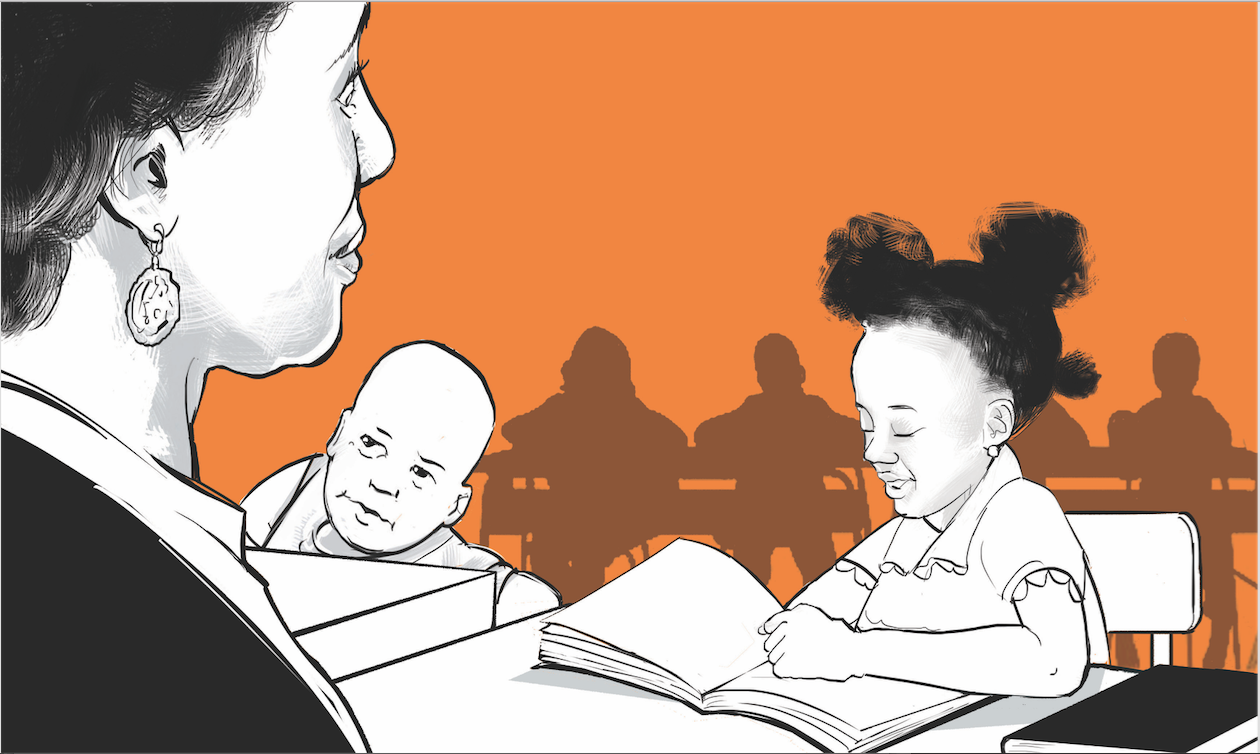
Perhaps the first sign that the train had been hijacked by special interests was when the laptops for schools project came a cropper. The Digital Literacy Programme initially aimed for one laptop or tablet per child later shifted focus to building school computer labs due to challenges such as cost, power and connectivity, and teacher training. This was then followed by teacher shortages, leading to overcrowded classrooms and burnout, diluting instructional quality.
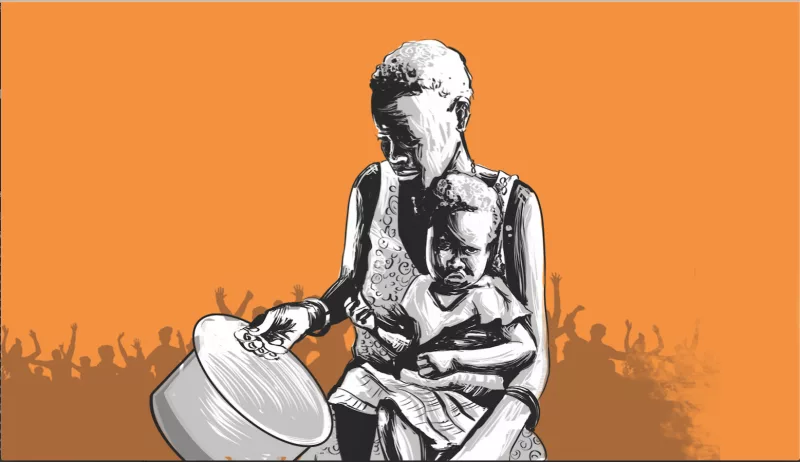
In rural and marginalised areas, where many under-19s reside, infrastructure deficits mean no labs, limited digital tools and unreliable electricity, exacerbating inequities. Parents in low-income households shoulder hidden costs for CBC materials, pushing dropout rates higher among vulnerable youth.
These flaws ripple through the ecosystem's performance. Key players such as the Ministry of Education, Kenya Institute of Curriculum Development, and the Commission for University Education often operate in silos. While the MoE oversees policy, the KICD handles curriculum design and the CUE regulates tertiary alignment, coordination lags. University programmes struggle to sync with CBC's competency pathways, leaving graduates ill-prepared for either the job market or for innovative enterprise.
Assessment anxieties persist, with formative evaluations burdened by inconsistent guidelines, undermining the shift from rote learning. This inefficiency not only hampers ecosystem synergy but directly impacts youth outcomes, which manifest in low literacy benchmarks in numeracy and problem-solving, as seen in recent evaluations, reflecting a system failing to nurture the skills our young median-age population needs for innovation and employability.
Politics further entrenches these issues. Reforms have been rushed under successive administrations, often prioritising optics over readiness, as seen in the 2019 rollout amid inadequate teacher training. Elite interests, including contracts for learning materials and donor-driven agendas, divert focus from grassroots needs. This politicisation breeds inconsistencies, like funding disputes delaying infrastructure upgrades, and erodes public trust.
In a nation where youth bulge could fuel growth, such interference mocks Vision 2030's social pillar of equity and the political pillar of accountable governance. To redeem this, better resourcing is paramount. Allocate at least six per cent of GDP to education, up from the current four to five per cent, to bridge teacher gaps through mass recruitment and ongoing professional development. Invest in digital infrastructure for remote areas, ensuring every child under 19 years of age accesses e-learning tools. Public-private partnerships could fund this, but with transparent oversight to prevent corruption.
Equally critical is depoliticisation. Insulate reforms from regime whims by empowering independent bodies like KICD with autonomous budgets and mandating evidence-based evaluations every two years, incorporating youth voices via forums. In fact, in another article, I proposed disbanding the KICD and establishing the Commission on Curriculum Development to free the Institute from political shackles at the Ministry.
I propose aligning with Article 10's public participation mandate through continuous stakeholder engagement, not just initial consultations. This would foster a unified ecosystem where the MoE, KICD and CUE collaborate seamlessly, prioritising data-driven adjustments over political expediency.
Factoring the median age, Kenya's Gen Alpha and Gen Z demand an education system that delivers on its promises. By addressing implementation flaws through robust resourcing and depoliticisation, we can transform inefficiencies into opportunities. Failure to act risks a lost generation—let's not let politics eclipse our children's future.
Social impact advisor, social consciousness theorist, trainer and speaker, agronomist consultant for golf courses and sportsfields, and author of 'The Gigantomachy of Samaismela' and 'The Trouble with Kenya: McKenzian Blueprint'