We often locate success and failure in healthcare at the moment of action: the operation, the delivery, the critical decision. That is where scrutiny falls, audits concentrate, and responsibility is most visible. Yet by the time a patient reaches that moment, much has already been decided.
In many hospitals, public and private, an elective theatre list is scheduled to start at 8 am. On paper, that time is fixed. In practice, almost everyone arrives expecting it not to hold. When the list begins at 9.15 am, it is treated as an achievement. Expectations quietly shift, and the formal timetable gives way to an informal one that better reflects reality. This is not a logistical failure. It is a cultural one. In Kenya, where theatre time is scarce and surgical waiting lists stretch into months, these accumulated delays often extend into hours. The cost is real.
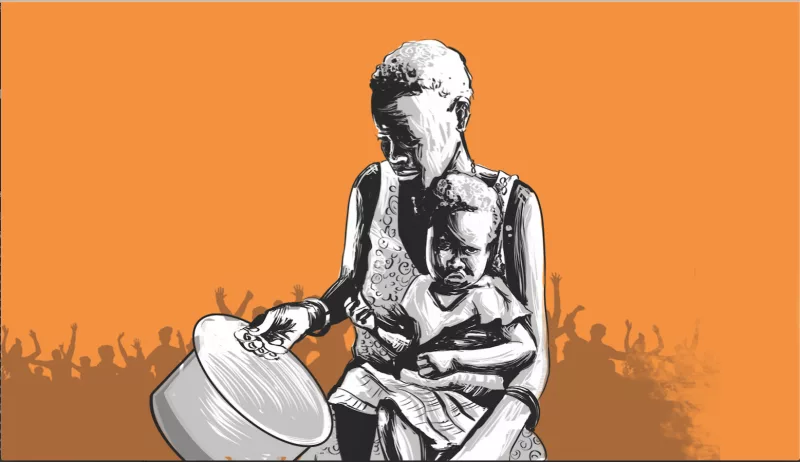
A patient with a tumour who waits three months for surgery does not wait in suspended animation. The disease progresses. The window for limb salvage narrows. What was operable becomes inoperable. When that patient finally reaches the theatre list and the start slips by two hours, those hours are not abstractions. They may mean one fewer case that day, and another patient sent home to wait again.
The delay is rarely caused by a single dramatic breakdown. Instead, it emerges from a series of small, predictable frictions: documentation not completed, investigations unavailable, patients not fully prepared, supporting services not ready, decisions deferred because responsibility is unclear. Each issue is minor. Each has a reasonable explanation. Together, they reliably push the start later.
When this pattern becomes routine, it stops being questioned. Staff become skilled at working around the system rather than improving it. Time and attention are spent navigating processes instead of caring for patients. Inefficiency becomes invisible because it is expected.
At this point, culture has taken over.
Culture is not morale or attitude. It is what an organisation tolerates without interrogation. In many systems, responsibility for preventing delay is diffuse, while blame for delay is concentrated. When lists start late, the surgeon often absorbs responsibility by default. Once that happens, everyone else is quietly released from the obligation to fix the system. The system stabilises around its inefficiencies.
This pattern has consequences beyond efficiency. When surgeons absorb blame repeatedly for failures they did not cause, one of two things happens. Some disengage from the system entirely, arriving only when called and investing nothing in improving what surrounds them. Others become adversarial, fighting daily battles over resources and readiness that exhaust everyone involved. Neither response fixes anything. Both are rational adaptations to a system that has made cooperation unrewarding.
This dynamic is not unique to healthcare, and its solution is not mysterious.
In other high-performance environments, identical sequences of tasks once took far longer than they do today. In Formula 1, pit stops that once took eight to nine seconds are now routinely completed in under two seconds. The task itself has not changed: lift the car, remove the wheels, replace the wheels, release the car. Improvement did not come from changing the task, but from redesigning preparation, transitions and accountability. Roles were clarified. Anticipation replaced reaction. Delay became a signal to analyse rather than an inconvenience to explain away.
The same principles have been deliberately tested in surgery. At Great Ormond Street Hospital, cardiac surgical teams studied Formula 1 pit-stop methods and redesigned their handovers accordingly. They introduced a structured protocol: one person led each transition, roles were assigned in advance and no non-essential conversation occurred during critical moments. Equipment was staged before it was needed.
When these principles were applied, non-operative time fell, communication errors decreased, and safety improved during high-risk transitions. The surgical technique was untouched. Everything around it changed.
Crucially, these gains did not come from rushing surgeons or cutting steps. The operations themselves were unchanged. The improvement came from engineering the transitions: clarifying roles, anticipating the next step, and assigning shared ownership to preparation and handover.
Yet in most hospitals, these moments remain undervalued. Start-of-day readiness, handovers and patient-to-patient transitions are treated as administrative detail rather than core clinical work. Improvement efforts focus on the moment of care, while the processes that shape it are left untouched.
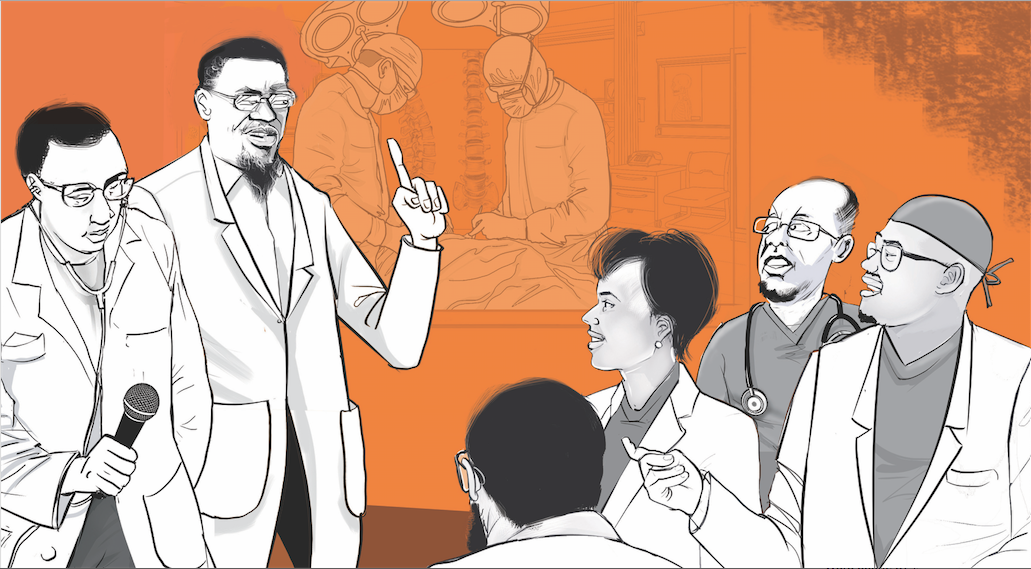
One practical way to rebalance accountability would be to treat start-time adherence and transition readiness as team-level performance measures. This means tracking not just whether lists started late, but why, and assigning ownership to the answer. It means reviewing delays with the same rigour as surgical complications, in a forum where theatre nurses, anaesthetists, porters and administrators sit alongside surgeons. The goal is not to create another audit. It is to make the system's friction visible to the people who can reduce it.
By the time a patient enters the theatre, quality has already been shaped by dozens of earlier decisions: whether delay was accepted or challenged, whether responsibility was shared or deflected, whether small failures triggered curiosity or resignation.
If we want better outcomes, we need to look earlier than the operation. We need to examine how culture governs time, transitions and accountability. That is where systems quietly decide how well they will perform.
Quality is not created at 9.15 am.
It is created by whether 8 am still means something.
Okumu is a Surgeon, writer and advocate of healthcare reform and leadership in Africa