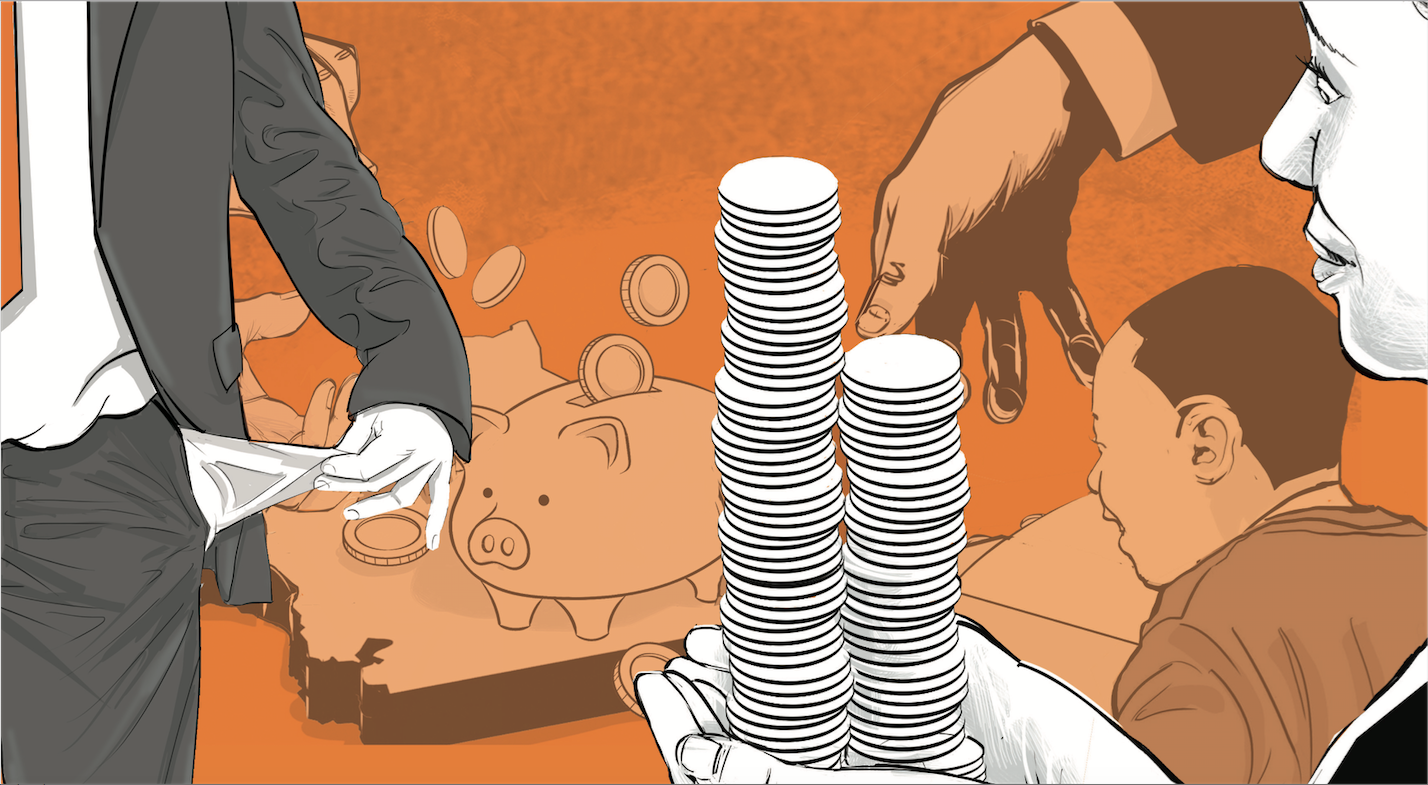
Inconsistent income is not an abstract idea. It is a lived reality. Consider the boda boda operator, whose earnings fluctuate based on the weather, petrol prices and police attitudes. The consultant is paid months after the work is done.
The employee servicing a loan while salary delays become routine. Then there are content creators chasing views before rent is due. This is the new normal of work, especially in Africa’s urban economies. Stability has quietly exited the room.
As the festivities draw closer, the pressure intensifies. December invites spending. Travel. Gifts. New clothes. Louder tables and louder expectations. Money moves fast in this season. Yet January always arrives with silence and bills. School fees. Rent. Loan reminders. Insurance renewals. The calendar does not care about your cash flow or intentions.
According to the World Bank, over 80 per cent of Kenya’s workforce operates in the informal or semi-formal economy. Income comes in waves, not salaries. Yet festive spending is built on the illusion of continuity. We spend as if January will be kind by default. It rarely is.
Escaping this pressure requires a change in planning. Most people treat December as their best month. That is a costly illusion. Planning should be anchored on the worst predictable month, which for many households is January. Strip life down to a survival number. Rent. Food. Transport. Data. One quiet buffer. Everything else is seasonal noise.
Kenya National Bureau of Statistics data from 2023 shows that families who budget around fixed minimum expenses are more than twice as likely to avoid borrowing in the first quarter. Discipline in December is not joyless. It is protective. It shields the future you from panic and rushed decisions.
Celebration must be separated from obligation. Festivities reward generosity, visibility and appearance. New outfits. Big gestures. Social proof. Inconsistent income cannot afford that logic. A meaningful celebration does not have to be costly. Shared meals outlast flashy gifts. The goal is to enter January calm, not impressive.
There is a psychological layer to this. Inconsistent income attacks dignity. Good months inflate confidence. Bad months invite shame. Both distort judgment. Overspending in December produces regret in January. Regret erodes focus, and focus matters when income is uneven. Behavioural research shows that financial regret weakens productivity and risk judgment. Calm protects cash.
Routine becomes an anchor when the year feels like it is ending. December break structure. Offices slow down. Clients disappear. Sleep patterns collapse. For someone with an inconsistent income, this loss of rhythm is dangerous. Consistent waking times, work hours, expense tracking and physical movement signal control to the brain. Life feels governed, even when money is not.
Behavioural economics studies show that people who preserve routine during high spending seasons experience lower financial anxiety in the months that follow. Structure is not rigidity. It is self-defence.
Income resilience also requires layers, not side hustles. December often brings short-term cash. Gigs. Bonuses. Commissions. Seasonal sales. Treating this as disposable income is a mistake. Part of it should flow into slower layers that pay when January goes quiet.
Fast income covers immediate bills. Slow income compounds through skills, royalties, long-term contracts or equity. A small optional bet keeps the opportunity alive. Most experiments fail. One can carry a year.
Africa’s informal economy has survived volatility for decades using this logic. Farmers sell at harvest and prepare for dry months. Traders restock essentials after festive sales. Musicians license music while performing live. Resilience is layered, not accidental.
Saving must also change during festive months. Traditional advice assumes predictability. That assumption fails here. Saving has to be opportunistic. When money comes in, skim immediately before lifestyle expands. Waiting for the month-end is risky. December has no mercy.
What matters most is a volatility fund. Three to six months of survival, not comfort. This fund buys time. Time protects judgment. Judgment protects income.
Festive seasons expose financial habits. Inconsistent income is not the enemy. Poor seasonal decisions are. December will always tempt. January will always be invoiced.
Innovations evangelist and a PhD candidate. [email protected]