The 2025 KCSE exam results paint an honest picture. The top 20 performers are dominated by historically well-endowed institutions — Alliance, Kabarak, Kapsabet, Maseno and others that have long enjoyed strong support and infrastructure.
This is evidence of deep, systemic inequality in how schools are developed and supported across our counties. Most of the 700,000 students who missed the C+ benchmark are coming from county and sub-county schools with limited facilities, few teachers, crowded classrooms and low morale.
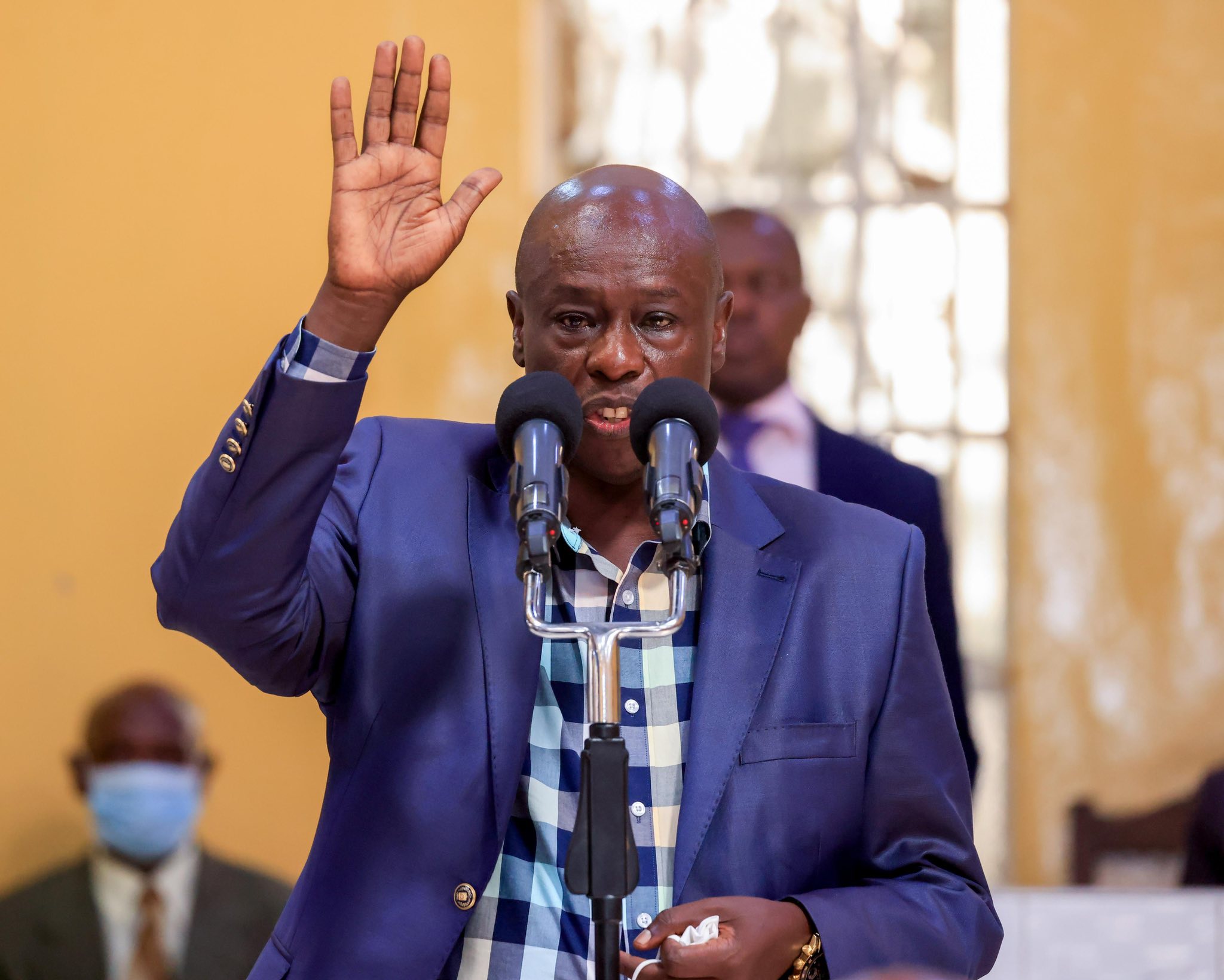
Former Deputy President Rigathi Gachagua sparked a national debate recently by challenging leaders from certain regions to develop their own schools instead of depending on established ones elsewhere.
Whatever one thinks of the politics behind his remarks, the core issue cannot be ignored: CDF and other public funds must be used purposefully to uplift every school in Kenya. Local leadership should be accountable for transforming the learning environments where they are elected to serve.
But more than that, Kenya needs a deliberate Marshall Plan for Education — a coordinated, well-funded, long-term drive to bring every village school up to high standards. Nothing should stop a school in Kitui from having the same laboratories, libraries and teaching staff as one in Maseno.
Alongside that investment, Kenyans should support inter-county student exchange. Sending children across Kenya will broaden their worldview and strengthen the unity our country so dearly needs.