As the year 2025 came to a close, Infotrak released an opinion poll showing the popularity of political parties across the country. The Orange Democratic Movement (ODM) polled second, with 19 per cent rating, coming a close second to the United Democratic Alliance (UDA) that scored 23 per cent.
The impressive polling by ODM seems to defy the fomenting internal crisis following the death of its founding leader, Raila Odinga. A plausible explanation is that the party continues to reap the dividends of the entrenched establishment built by Raila. Put differently, ODM’s extensive support system is yet to transition to a post-Raila era.
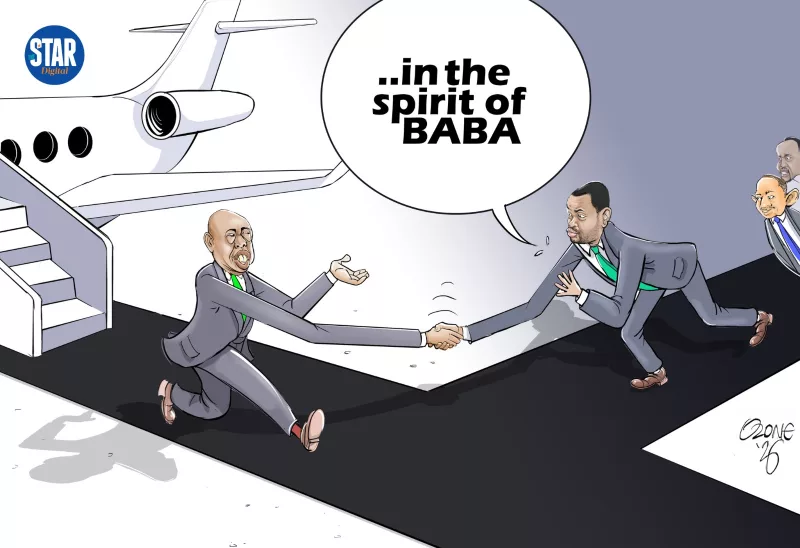
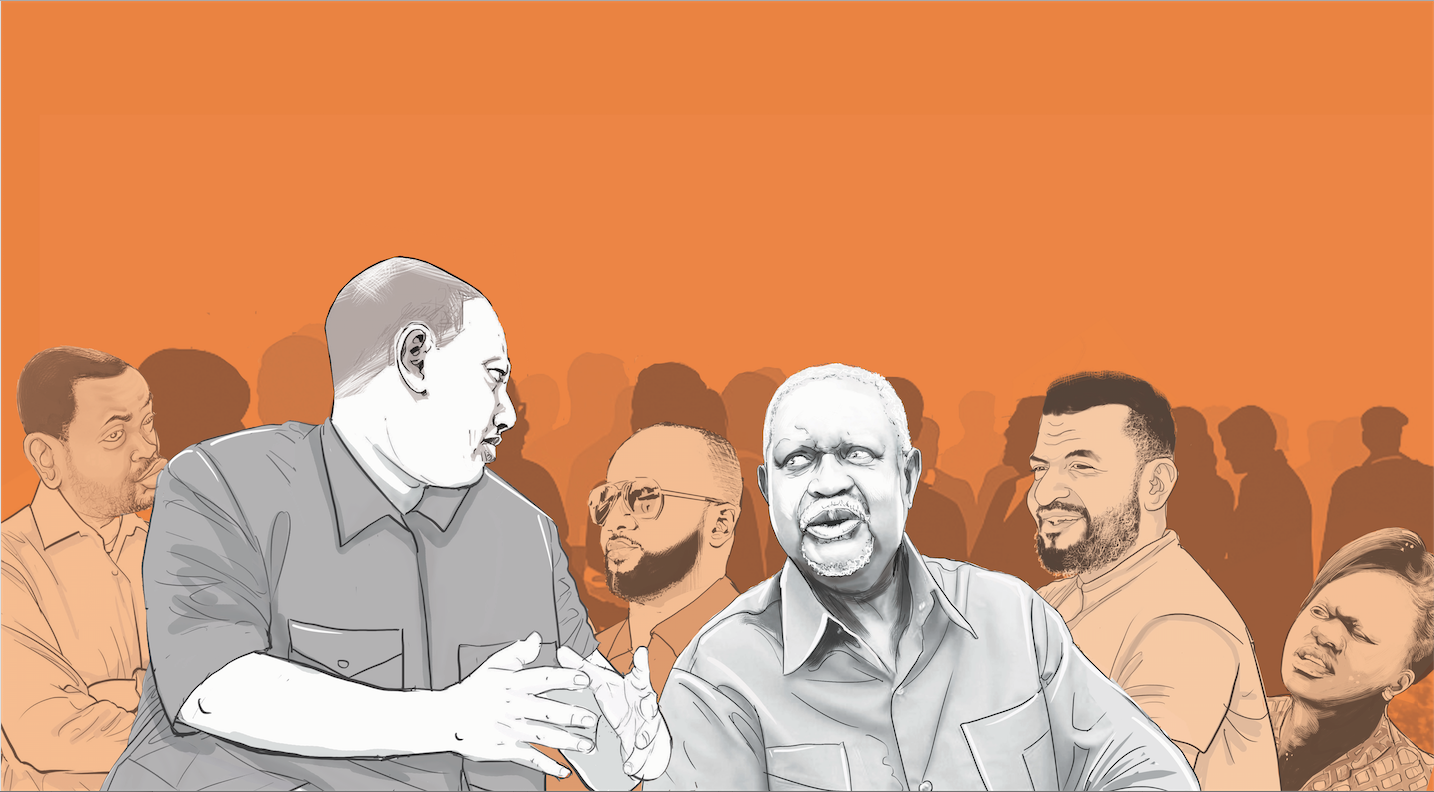
Though the support system appears to remain intact, the core of the party evinces ominous unravelling. Events over the last few weeks show an outfit whose centre is struggling to hold. The weakening centre is arguably nearing a breaking point. At the centre of the crisis is the emergence of three camps. The formation of the camps is largely a function of the place of the broad-based government.
One camp has thrown its weight behind the broad-based government, committing to support President William Ruto during next year’s general election. Among the vocal voices in this camp are party leader Oburu Oginga and chairperson Gladys Wanga.
Others are the ‘experts’ in the broad-based government, including Cabinet secretaries John Mbadi, Opiyo Wandayi and Hassan Joho. A section of this camp was reported to have met President Ruto late last month to craft a working formula ahead of the election next year.
Diametrically positioned is the camp that opposes both the broad-based government and any suggestion of joining forces with Ruto during the next election. This camp views Ruto’s administration as irredeemably damaged and any suggestion to collaborate would pose an existential threat to the party’s fortunes. Leading voices in this camp include secretary general Edwin Sifuna, James Orengo and Babu Owino.
In the middle is a moderate camp, one that appeals for strategic caution. For those in this camp, any move by ODM, especially as regards the next election, should be carefully weighed. For this camp, ODM should focus on strengthening itself for now and later leverage its strength strategically. Leading advocates in this camp include Rarieda MP Otiende Amollo.
To mitigate the damage from the spiralling situation, ODM needs to do three things. Firstly, the party needs to reconfigure its national leadership. As it stands, the top leadership appears too divided to inspire confidence. The party leader position should especially be a centre of focus.
Tragically, he has taken a partisan position, strongly identifying with the pro-broad-based government camp, effectively neutering his credentials as a uniting figure to the divided house. Most recently, he anointed himself as ODM’s sole presidential candidate should the party opt to field a candidate in next year’s election.
Either ODM replaces the party leader with a more politically measured and technically erudite person, such as Anyang' Nyong’o, or Oburu undergoes a radical transformation.
Secondly, ODM should initiate an honest dialogue among the rival factions. Though the differences may appear irreconcilable, they are nonetheless possible to bridge. Borrowing from Raila, it is possible to strike a middle ground consensus in the immediate term for the party to project the much-needed unity for its potency ahead of the election next year.
Thirdly, any reforms should aim to guarantee free, fair and credible nominations ahead of the election. Flawed nominations have been ODM’s Achilles' heel. Raila’s presence presented a historical antidote that mitigated the damage that arose from the flawed nominations. With his absence, the antidote is no longer there.
Political commentator