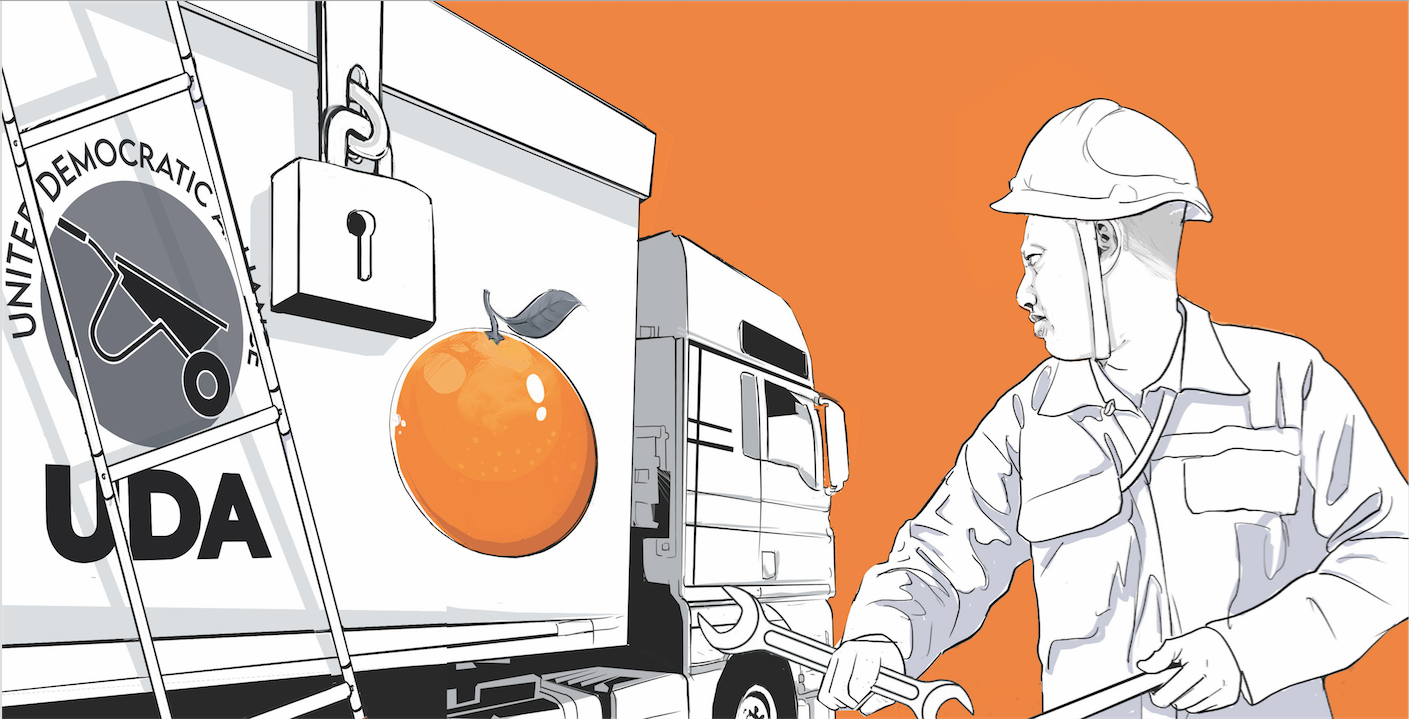
As Kenya edges closer to the 2027 general election, the political noise is getting louder — but the real story is unfolding quietly beneath the surface. President William Ruto is not yet in campaign mode. He is in construction mode.
While the opposition is still wrestling with identity, leadership and direction, the President is assembling a durable political and policy machine that could make his re-election all but inevitable.
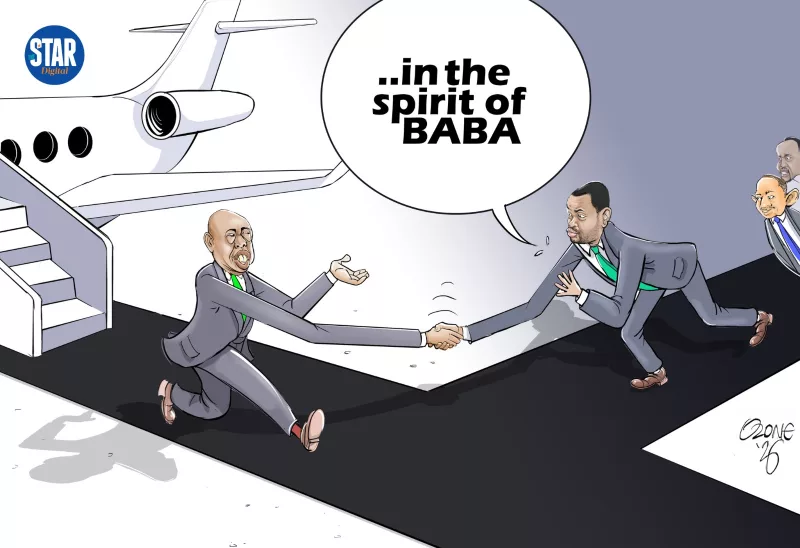
The core of this strategy is the evolving détente between the United Democratic Alliance and the Orange Democratic Movement. What started as a simple handshake to stabilise the country is gradually becoming a fully fledged political partnership.
Founded on a structured 10-point reform plan, with progress updates expected every two months, the collaboration now covers devolution, youth inclusion, economic recovery and institutional reform.
The electoral arithmetic is brutal. With UDA enjoying about 23 per cent national support and ODM hovering near 20 per cent, a functional alliance instantly commands about 43 per cent of the vote before incumbency advantages even come into play. That is not coalition politics; it is strategic suffocation.
Compare that with the rest of the opposition — Jubilee, Wiper, DCP, and others — whose combined support barely scrapes the mid-teens. They are divided by personalities rather than united by ideas. Even in a fantasy merger, they struggle to equal ODM’s weight alone. ODM’s leadership understands a hard political truth: parties exist to capture power, not to preserve protest.
For Ruto, the arrangement offers national reach and political ballast; for ODM, it offers relevance and proximity to the levers of state. For everyone else, it threatens long-term marginalisation.
But coalitions only succeed if voters see the results. That's why State House is now shifting from political engineering to delivering tangible outcomes. In his New Year address, the President highlighted the registration of 29 million Kenyans under universal healthcare, increased farm productivity through subsidised inputs and nearly a million job placements facilitated through government programmes. This is the bottom-up narrative becoming a real-life experience.
Looking ahead, 2026 is set to be the year of action. The President has promised to cut poverty and unemployment in half, focusing on creating a National Infrastructure Fund and a Sovereign Wealth Fund, along with high-profile projects such as the Rironi-Mau Summit road and the Naivasha-Malaba SGR extension. These are not just development initiatives; they are campaign tools designed for maximum political impact.
None of this dismisses the challenges. Inflation, debt pressures, high living costs and persistent youth unemployment continue to negatively affect public sentiment, while approval ratings stay low.
However, the strategy is not denial — it is sequencing. The idea is that by late 2026, economic stabilisation will allow a shift from austerity to growth-focused policies, and incorporating ODM into governance will reduce the protest movements that have traditionally fuelled urban discontent. Shared power, in this view, alleviates shared suffering.
Add to this the administration’s renewed focus on alcohol and drug abuse as a national emergency, and a picture emerges of a presidency seeking solutions not just in the economy, but in the social fabric of the country.
The path to 2027 is therefore Ruto’s to win; he is working methodically to ensure that happens. By redrawing the political map and anchoring his case in a blend of delivery and promise, he is turning incumbency into a structural advantage.
The opposition struggles to find a unifying leader, a compelling message and a shared platform. William Ruto will not enter the next election as just another candidate. Instead, he will do so as the architect of a political order already in progress.
Strategic advisor and expert in leadership and governance