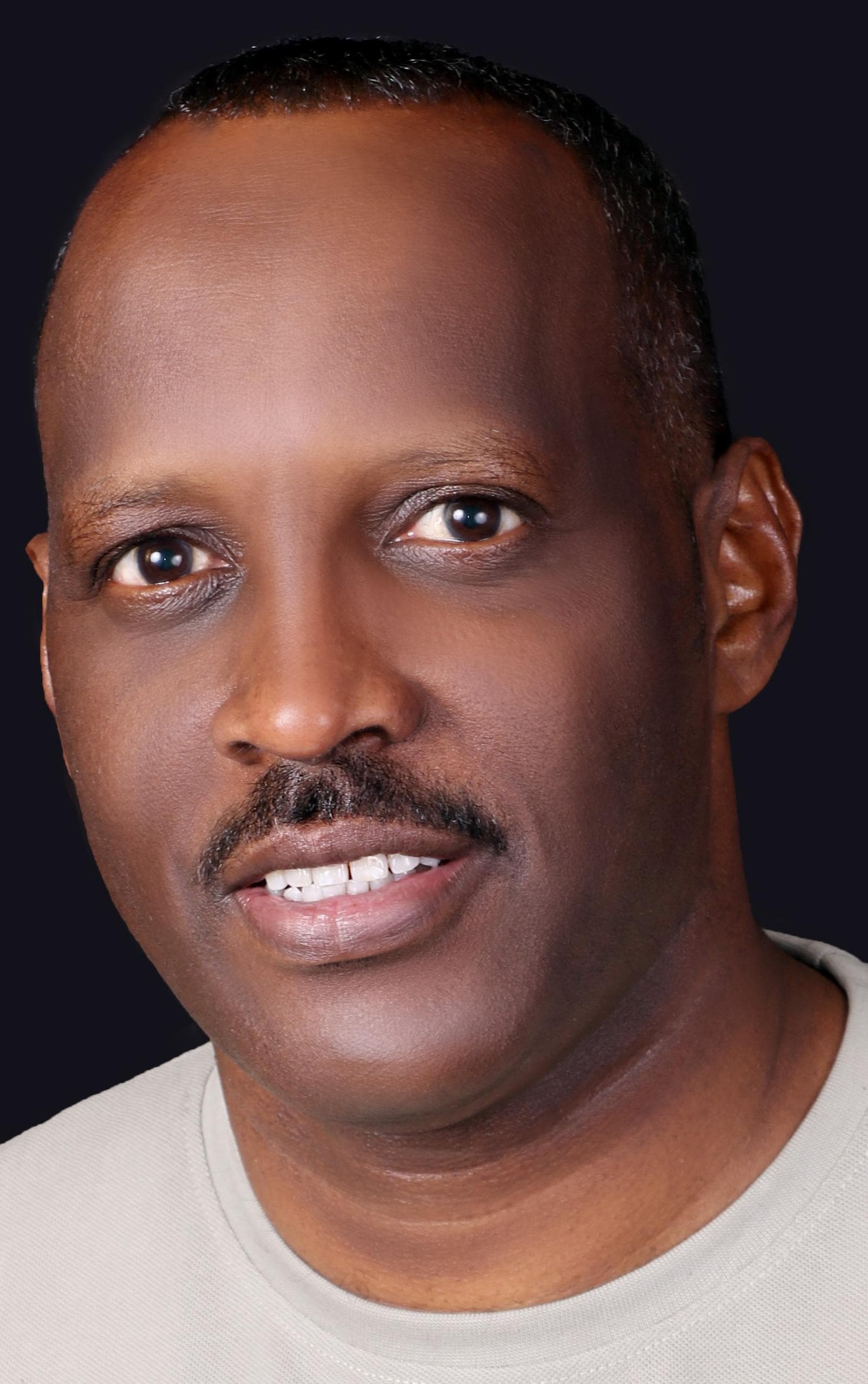
 Hon.Salah Maalim Alio.-Governance,Diplomacy,peace and Security management specialist and CEC Lands,County Government of Mandera./HANDOUT
Kenya is a breathtaking mosaic—Somalis,Kikuyus, Luo, Kalenjin, Kisiis, Mijikendas and dozens of other communities interwoven under one sky, each adding irreplaceable colour to our shared destiny.
That mosaic is fragile. History has taught us, painfully, that when leaders wield words like torches, the entire masterpiece can go up in flames.
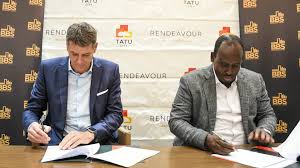 BBS Mall Developer Mr.Maalim Weli (Right in the photo) Signing a 65 Billion Mega Project in the Tatu City recently./FILE
Former Deputy President Rigathi Gachagua, impeached in 2024 over divisive rhetoric, has again stepped into dangerous territory.
His recent statements linking Somali owned Businesses specifically BBS Mall and its developer Mr.Maalim Weli to allege foreign fraud schemes and insinuating that their business success is inherently suspect are not only unsubstantiated; they echo a long and ugly tradition of ethnic profiling.
When political speech paints an entire community with the brush of criminality, it crosses from critique into incitement.
Mr. Maalim Weli is philanthropic, prominent,creative,innovative and hardworking businessman who enterprises and entrepreneurship skills is well known and documented.
This is not occurring in a vacuum. Mr Gachagua’s earlier “shareholding company” narrative—suggesting that access to public resources should mirror ethnic voting patterns—was rightly condemned as unconstitutional and corrosive to national cohesion.
Reviving such thinking, whether explicitly or by implication, risks normalising the idea that some Kenyans belong more than others. That path leads nowhere good.
Kenya’s commercial history tells a very different story. Somali,Kisiis and Kikuyu entrepreneurs, alongside Indians, Luhyas and many others, have built markets side by side for decades.
From Eastleigh to Nyamakima, from Garissa to Gikomba,enterprise has thrived on trust, credit, and cooperation across ethnic lines.
To smear legitimate success as illicit because of the bearer’s surname or faith is to poison the wells from which our economy drinks.
If wrongdoing exists—by any individual, of any community—the law provides clear tools to investigate and prosecute with precision. What the law does not permit is collective suspicion or trial by ethnicity.
Corruption is not a tribe. Fraud does not have a clan. Justice must be exacting, not a blunt instrument that hacks at whole communities.
Our history screams the consequences of recklessness. The 2007–2008 post-election violence was not an accident of fate. It was a fire deliberately lit by inflammatory speeches and ethnic mobilisation.
More than 1,300 lives were lost; hundreds of thousands were displaced; farms were burned; neighbourhoods were torn apart.
Earlier still, the clashes of 1992 and 1997 followed the same script—leaders branding some Kenyans as “outsiders,” unleashing terror and mass displacement. Each time, words were weaponised, and ordinary citizens paid the price.
Ethnicising politics does not argue; it annihilates. It replaces debate with distrust, progress with paranoia, and shared prosperity with a zero-sum contest in a nation of more than forty communities.
It makes the real fights—against corruption, poverty, insecurity and inequality—impossible, because every issue is reduced to “us versus them.” We have seen the ashes. We know the cost.
Leadership is a choice. Leaders can be bridge-builders who lower the temperature, or arsonists who raise it for short-term gain.
Citizens, too, have agency: to reject scapegoating, to question claims that lack evidence, and to demand a politics anchored in the Constitution.
Institutions must do their part by acting swiftly and impartially against any incitement, regardless of the speaker’s stature.
Kenya’s beauty and strength lie in our diversity—not despite it. We cannot allow reckless tongues to drag us back into the darkness of tribal firestorms.
We have come too far, and bled too much, to let the flames of division consume the house we all share.
The writers are Mr. Ali Bash and Hon Salah Maalim Alio-Members of the Khalalio Professional Mandera.