When Minaz Manji and his late father teamed up to start Twiga Tours in 1980, the dream was to build a leading tour company in East Africa, with Kenya as the base.
Starting a tour company was however not a walk in the park, especially getting international visitors, he recalls.
At the start, they rented their minivans to tour companies that needed vehicles while they continued promoting the company both locally and internationally.
Minaz made his international marketing debut in 1981 when he attended the World Travel Market in London.
According to him, this participation was more of a learning experience than a promotional visit as he had never been exposed to a huge global travel fair before.
“While I was not successful in securing any meaningful business, I came home wiser and the important lesson I learned was that I needed to be well known and recognised in my home country, before I ventured into the global market,” he narrated during an interview with the Star.
The company started promotions to the domestic traveler and participated in the first-ever Holidays Exhibition at the Sarit Centre, Nairobi, in March 1984.
During the same year, the company’s personalised service, custom-designed minivans and well-trained guide– drivers quickly saw the fleet grow substantially, but the urge to be a tour company, rather than a rental company, was getting stronger every day.
“That was always the plan, to be a tour company and not a rental company and show Africa through our eyes,” Minaz said, “We saw the need to offer visitors the traditional African hospitality and treat them as long–lost relatives who had come to visit and that has been our philosophy to date.”
By the end of 1984, the Manji family’s dream became a reality as Twiga cemented its position as a formidable tour company and a sought-after firm for offering superior quality and personalised service to enthusiastic travelers in Kenya, with its fame spreading beyond Kenyan borders.
“International visitors found us mostly through referrals from resident family and friends,” he recalls.
According to Manji, the company was keen on offering exceptionally high-quality of personalised service, a philosophy has seen the company grow over the years.
After establishing the brand, Minaz felt more confident, he says, and once again, made his entry into the international market by attending several travel expo’s in 1986 and made this part the company’s regular marketing plan.
In 2003, Twiga Tours made an entry into the travel sector making all travel arrangements such as airline tickets, international holiday and business travel bookings for the leisure and business traveler.
The company now in its 45th year of operations is famed for being the first tour operator to do a bush breakfast in Kenya, at the Amboseli National Park, long before it became a common industry practice.
This innovation helped shape the immersive safari experience, with hotels and camps across Kenya now offering similar bush breakfasts.
Other innovations besides bush breakfasts includes pioneering balloon weddings and champagne airport welcomes, enhancing personalised luxury travel in Kenya.
The biggest achievement has however been moving from just offering tour and travel services, to becoming a World’s leading Safari company, Africa’s best, world’s responsible tour firm,and Kenya’s leading Safari company, accolades it has won since 2013.
It was recently awareded Africa's Responsible Tourism award 2025, Kenya's Leading Safari Company and Tanzania's Leading Safari Company 2025, and World's Leading Safari Company 2025, by the World Travel Awards, with about 25 global recognitions since 2013, including being a World Leading Luxury Safari Company.
“Being crowned the World's Leading Safari Company is the big win for last year alongside other achievements,” Minaz who is now the Chairman as he hands over management to the next Manji generation led by his daughter and son, noted.
“These accolades are a true reflection of our unwavering commitment to responsible travel, exceptional service and heartfelt hospitality. As a family-owned company, we share this success with our dedicated team, our loyal guests and our beautiful continent, whose stories we are so privileged to tell,” he said.
Responsible and sustainable tourism however did not start yesterday, according to Minza, but has been embedded in the company’s culture since inception, with some decisions such as dealing away with single use plastic bottles inflecting the Kenyan government’s ban on platics.
The government banned single-use plastic bottles and other disposables (plates, cups, straws) in all protected areas (parks, beaches, forests) on June 5, 2020, a directive from former President Uhuru Kenyatta to combat pollution.
To Manji, responsible tourism means operating with integrity and strong ethical values, fostering fair and respectful relationships and ensuring that it delivers genuine benefits to the destination and its local communities.
“A responsible tour company acts thoughtfully and transparently striving to create positive social, cultural and environmental impacts whilst supporting local livelihoods and preserving the character of the places one operates in,” he notes.
For the company, it means curating meaningful travel experiences that respects local cultures, protect the natural environment and delivers long term benefits to the local communities.
“We are aware of the growing importance of transparency, community involvement, climate awareness and we continue to adapt to practices that meets the highest expectations from our visiting guests, partners and destination alike,” he noted.
The company which has created hundreds of direct and indirect jobs recognises the positive role that tourism development plays in supporting the local economy, according to management.
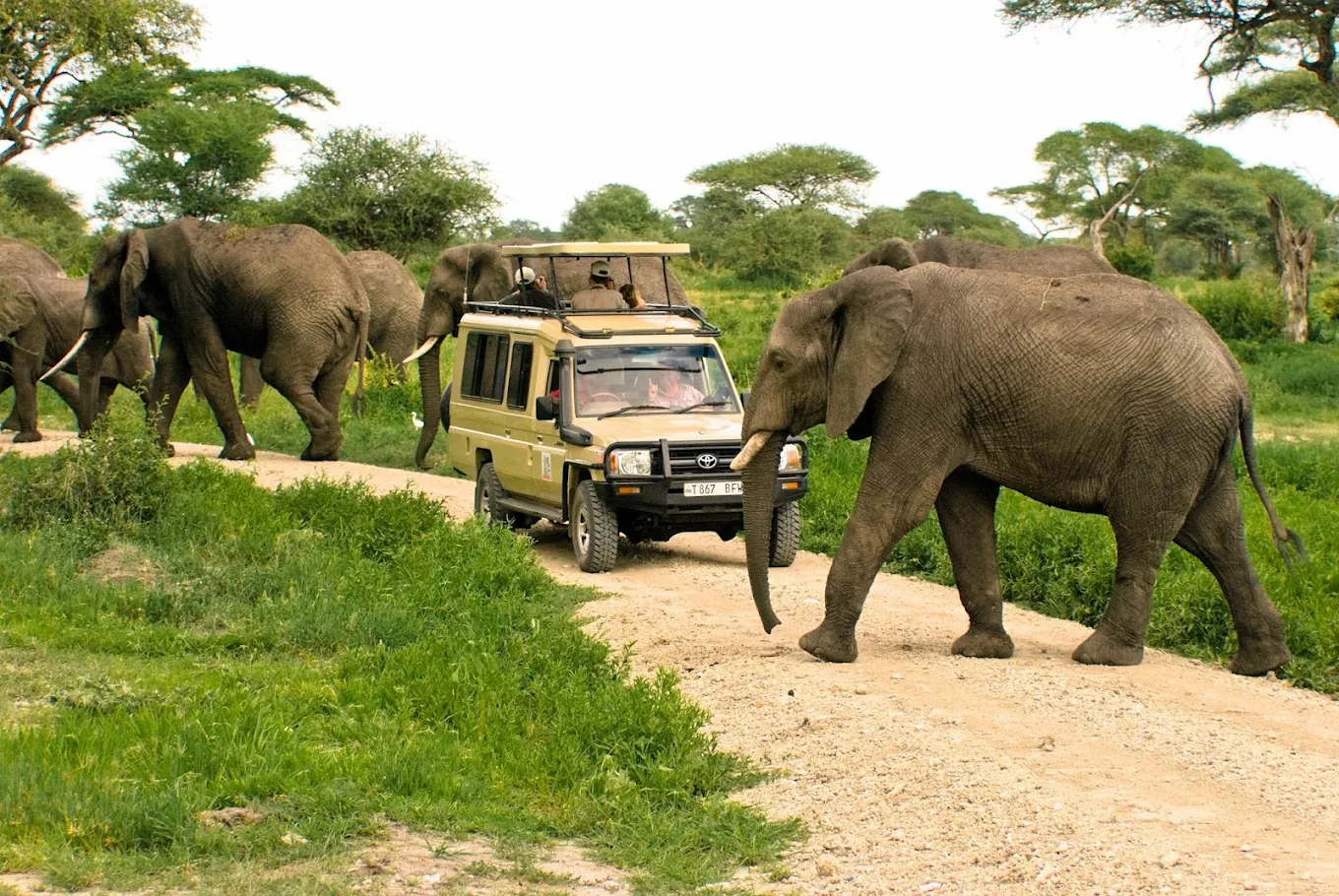
However, many of the parks featured in popular itineraries are experiencing increased visitor numbers which has placed growing pressure on the fragile natural habitats and overall visitor experience.
“I believe that a more balanced approach to tourism growth is now needed to help safeguard the long term sustainability of our wildlife parks.”
The Manji Foundation established in 2009 as a family foundation, is also supporting education in Kenya by providing resources and infrastructure in disadvantaged communities and scholarships.
It sponsors building of facilities like classrooms, dining halls, dormitories and supplying essential items such as desks, nutritious meals and educational materials to economically disadvantaged students to help them improve their lives.
The foundation recently stepped in to rebuild a girls' dormitory in Narok after a fire left students without a home, ensuring they could continue their education.
His philanthropic work, particularly in education, was a factor in him receiving the Elder of the Order of the Burning Spear (EBS) national honour during last December’s Jamhuri Day celebrations.
This national honour recognised not only his leadership in building one of Kenya’s leading safari companies, but also his enduring commitment to philanthropy through the Manji Foundation, where education, community empowerment and social responsibility remain at the heart of his work.