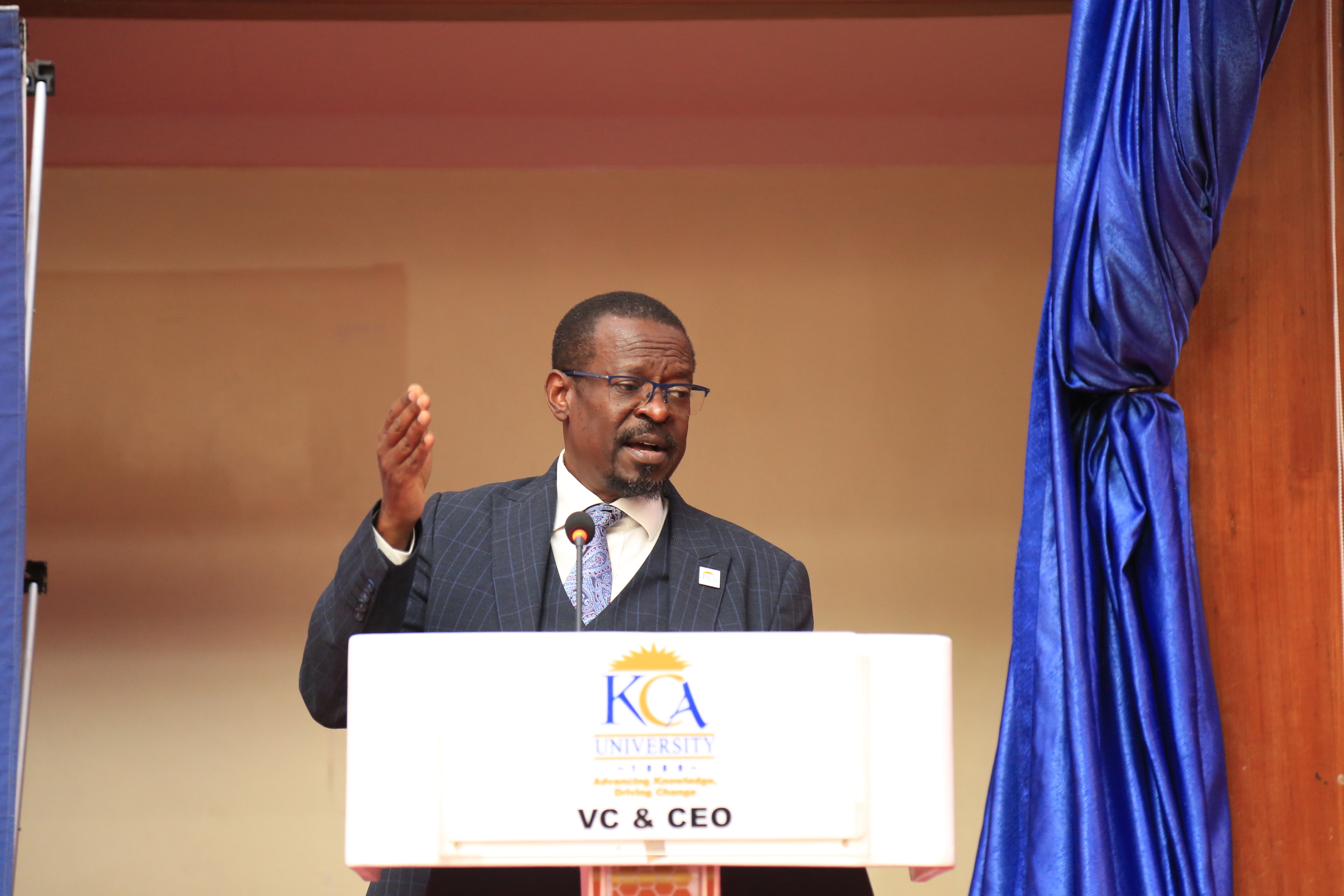
 Parliamentary Service Commissioner Johnston Muthama/COURTESY
 For many Kenyans, the sight was instantly familiar.
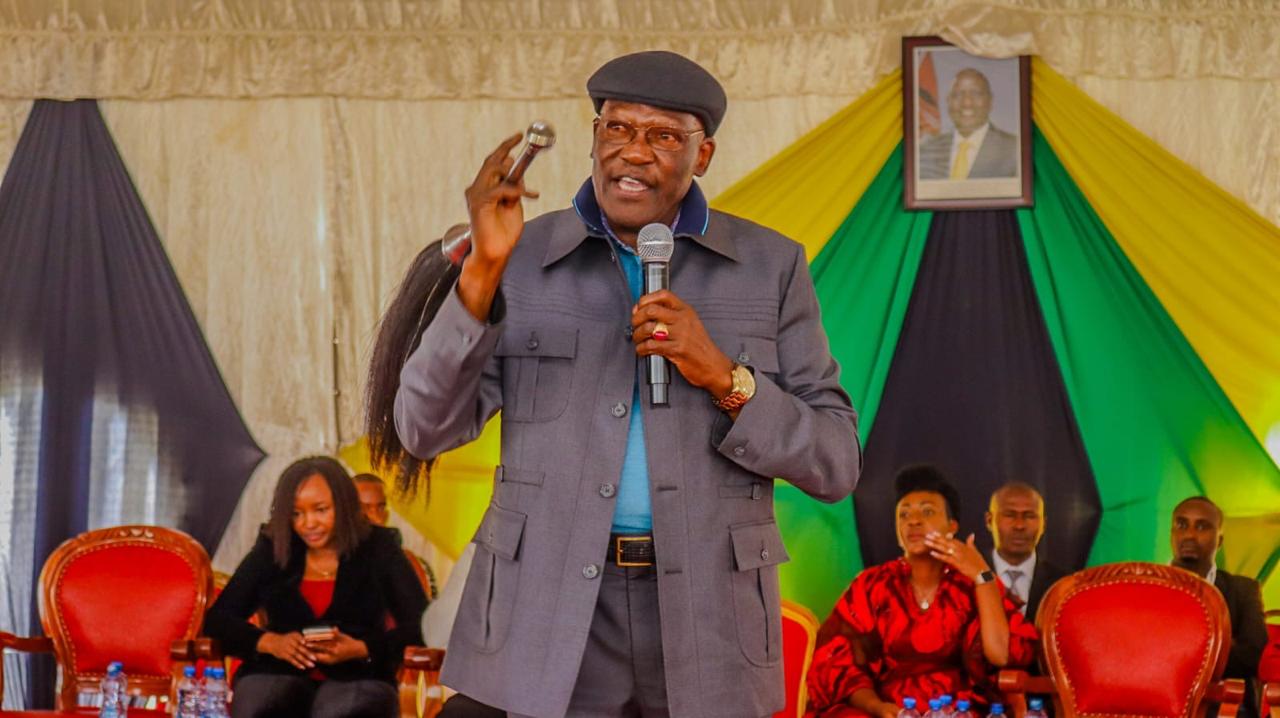
Johnson Muthama, the once-influential Machakos Senator and former United Democratic Alliance (UDA) chairperson, stepping into a public political meeting with his iconic flywhisk firmly in hand. Long before he spoke a word, the symbolism was clear.
The flywhisk, a traditional emblem of authority and defiance that had become synonymous with his political identity, signalled that Muthama was no longer content with the quiet life many assumed he had embraced.
His appointment as a Commissioner of the Parliamentary Service Commission immediately after the 2022 general election had fueled speculation that his days of raw, frontline politics were over.
For a while, it appeared that the outspoken politician had taken a permanent back seat, bound by the expectations of institutional decorum.
But appearances, it seems, were deceiving.
With the flywhisk once again raised at public forums, Muthama has announced his return and with it, a sharp critique of Kenya’s political culture.
Over the weekend, at an economic empowerment programme organised by nominated Senator Tabitha Mutinda at the Kenya Science grounds along Ngong Road in Nairobi, Muthama used the platform to issue a stern warning against tribal bigotry and politics built on insults rather than ideas.
Addressing a diverse audience of youth, women and grassroots leaders, he urged Kenyans to rethink how they evaluate leadership.
According to Muthama, the country has reached a dangerous crossroads where political competition is increasingly defined by ethnic mobilisation and character assassination.
He argued that such a trajectory threatens national cohesion and distracts leaders from offering real solutions to economic hardship, unemployment and inequality.
“Politicians must compete on ideology, not on incessant insults,” he said, stressing that leadership should be measured by vision, integrity and the ability to unite the country.
In remarks that quickly stirred debate, Muthama also turned his attention to the evolving opposition landscape.
He issued a pointed caution to Wiper Party leader Kalonzo Musyoka, warning him against what he described as a calculated political manoeuvre by former Deputy President Rigathi Gachagua.
Muthama claimed that Gachagua was positioning Kalonzo as a political sacrificial lamb, useful for short-term opposition optics but ultimately expendable in the pursuit of a longer-term presidential ambition targeted at 2032.
His assessment of the opposition’s chances in the next general election was equally blunt. Muthama argued that the so-called United Opposition lacks the unity, clarity and national reach required to unseat President William Ruto in 2027.
Internal rivalry, he said, has already weakened its ability to present a credible alternative to the electorate.
Beyond alliances and succession politics, Muthama returned to a theme that has defined much of his recent messaging: the persistent grip of tribalism on Kenyan elections.
He warned voters against the habit of supporting leaders purely on the basis of shared ethnicity, calling it a betrayal of the country’s democratic promise.
“If you vote for a leader because he or she belongs to your tribe without looking into the qualities of that particular leader, you would have done a lot of injustice to this country,” he said.
He challenged all political actors including President Ruto and his rivals to sell their policies and development agendas directly to Kenyans instead of leaning on ethnic loyalty.
Muthama also offered a striking reflection on the tone of contemporary politics.
He noted that no president since independence has endured the level of open, public ridicule that President Ruto currently faces. While past leaders were often criticised in hushed tones or through coded language, today’s political rallies, he observed, have normalised direct and often crude verbal attacks.
“In this country since we got our independence, there is no president who has been insulted several times like Ruto,” Muthama said. “Today, people in public gatherings have decided to give Ruto all sorts of names.”
His comments carried an unmistakable warning. As elections draw closer, he suggested, those who thrive on insults and political provocation should not assume immunity.
"When elections will draw nigh, we will face these people who insult Ruto because we know their secrets well,” he said, hinting at political battles yet to come.
The reappearance of the flywhisk has only amplified Muthama’s message.
In earlier years, it was a signature feature of his rallies, a symbol he famously shared with the late former Prime Minister Raila Odinga.
Its return now is widely interpreted as a declaration that Muthama intends to play an active role in shaping the political conversation, rather than observing it from the sidelines.
Whether his call for ideology-driven politics will resonate in a system long dominated by ethnic arithmetic remains to be seen.
What is clear, however, is that Johnson Muthama is back — flywhisk raised, voice sharpened — challenging both leaders and voters to confront uncomfortable truths about the direction of Kenya’s politics.