 Bien Aime Baraza/COURTESY
In 2025, Kenyan music captured global attention, led by Bien Aimé Baraza, Nyashinski, and Khaligraph Jones—artists whose hits, tours, and collaborations defined the nation’s cultural pulse and shaped conversations across East Africa and beyond.
Each artist, in his own way, not only dominated music charts and live stages but also redefined what it means to succeed in Kenya’s evolving music industry.
Bien Aimé Baraza’s bold solo reinvention, Nyashinski’s strategic elevation of his sound, and Khaligraph Jones’ introspective, legacy-building work illustrate a year where artistry, business savvy, and cultural authenticity converged to leave a lasting imprint on the creative landscape.
Bien Aimé Baraza: A Solo Rebirth with Global Ambition
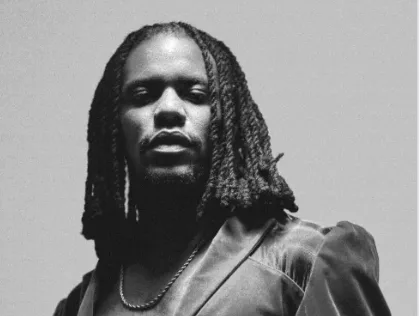
Bien Aimé Baraza’s 2025 has been defined by reinvention. Once known primarily as the charismatic frontman of Sauti Sol, he successfully transitioned into a global solo artist, proving that leaving a legendary boy band does not mark the end of a career, but the start of a new chapter.
A highlight of his year was becoming the first East African musician to appear on The Breakfast Club, the iconic New York-based hip-hop radio show. Bien used the platform to assert Kenya’s place in the global music scene, emphasising that East African artists have stories to tell that deserve a worldwide audience.
In tandem with media appearances, Bien embarked on a US tour, performing to sold-out crowds and leveraging the international exposure to introduce himself as more than a Kenyan artist—a global representative for East African music. The tour demonstrated his ability to merge artistry with strategy, proving that careful planning can amplify impact.
His approach to career management has been notably deliberate. Bien’s wife, Chiki Kuruka, doubles as his manager, coordinating his creative vision, tour schedules, and long-term brand strategy. Their partnership has been pivotal in ensuring that his solo career is not just an extension of past fame, but a purposeful project of growth and legacy-building.
In addition to artistic strategy, Bien has been vocal about the need for investment in music infrastructure. He argues that public and private support for the industry is not a luxury, but a future-focused move that will benefit the next generation of artists.
By mid-2025, Bien had become more than a musician; he became a symbol of what a modern East African artist can achieve: global-minded, commercially savvy, and rooted in authentic storytelling.
Nyashinski: Vision and Strategic Expansion
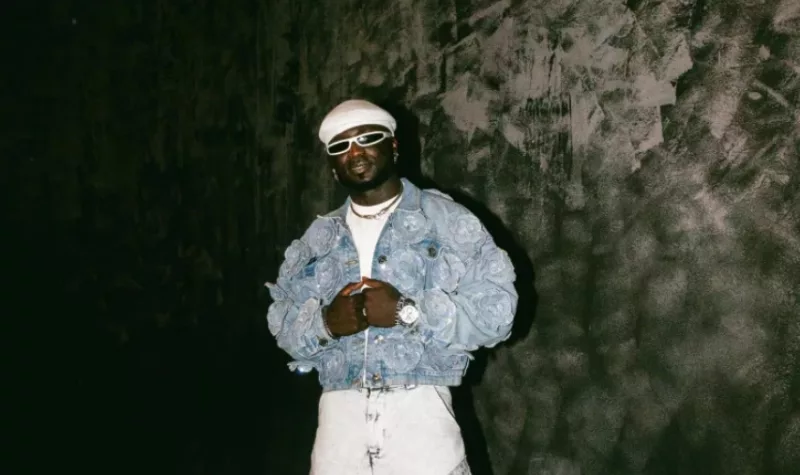
If Bien’s narrative in 2025 is about reinvention, Nyashinski’s is about elevation. The release of his second solo album, Yariasu, marked a pivotal moment in his career and for East African music at large.
The album, which dropped on September 19 under Sony Music Africa, blends rap and melodic songwriting over thirteen tracks, signalling a deliberate move to position Kenyan music within a broader, global context.
The launch was more than a music release; it was an experience. Johnnie Walker hosted an exclusive listening session in Nairobi attended by industry insiders, influencers, and superfans.
Nyashinski walked attendees through the creative process, explaining how each track was conceived, produced, and polished. The event highlighted the growing sophistication of the Kenyan music industry in combining lifestyle, branding, and entertainment into holistic experiences.
Yariasu reflects Nyashinski’s vision of bridging generations. Tracks balance introspective lyricism with rhythmic storytelling, appealing to older fans who followed his early career while engaging a younger, digitally-native audience.
Beyond numbers and charts, the album demonstrates an understanding of positioning: how music can simultaneously entertain, inspire, and convey cultural identity.
His collaboration with Sony Music Africa signifies more than commercial success. It represents recognition of East Africa’s musical talent on a global stage. For Nyashinski, the year has been about positioning himself strategically, leveraging brand partnerships, and crafting projects that leave a lasting cultural imprint.

Khaligraph Jones: The OG’s Introspective Chapter
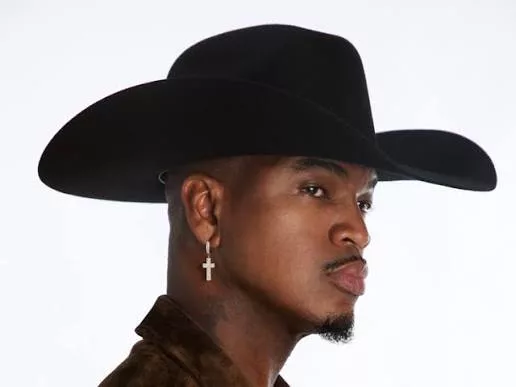
While Bien reinvented and Nyashinski elevated, Khaligraph Jones focused on introspection and legacy. On April 4, 2025, he released The Book of Jones (1st Chapter), an album deeply personal in scope. The project explores fatherhood, resilience, life challenges, and the complexities of fame, signalling a more reflective phase in the rapper’s career.
The album’s collaborations reflect Khaligraph’s influence and reach. He brought in Nyashinski on Risk, Nigerian rapper Falz on Favour, and regional artists including Mordecai Dex, Timmy Blanco, Silverstone Barz, and Teya Ticasso, creating a cross-continental sound that underscored Kenya’s connection to broader African music narratives.
Unlike conventional albums, Khaligraph’s work reads as a cultural journal, blending intricate lyrical storytelling with layered production. Tracks like The Purge became instant highlights, admired for their technical mastery and emotional depth. Online discussions around the album reinforced his status as a cultural architect, an artist building a catalogue designed to influence future generations.
In 2025, Khaligraph didn’t just release music; he offered a template for longevity and authenticity in African hip-hop, proving that deep, reflective work can exist alongside commercial appeal.

Breakout Talent: Iyanii and the Viral “Donjo Maber” Sensation
While established artists dominated charts and stages, 2025 was also the year for breakout talent. Ian Oure, popularly known as Iyanii, captured public attention with his viral hit Donjo Maber, a collaboration with Dufla Diligon.
The song, propelled by the #DonjoMaberChallenge on TikTok and Instagram, became a cultural phenomenon. Rooted in the Luo phrase meaning “things worked out well,” the track resonated for its celebratory tone and local authenticity.
Beyond the music, Iyanii leveraged his platform for social good, donating sound equipment to inmates at Kamiti Prison, demonstrating the power of music to inspire and uplift communities. Iyanii also maintained a strong personal narrative, emphasising integrity and personal values, proving that authenticity can be as powerful as fame.
In 2025, he became a reminder that Kenya’s creative ecosystem is open to new voices who combine talent with purpose.
The Social Media Creators Driving 2025 Culture
Beyond music, a new generation of digital creators and performers leveraged online platforms to shape lifestyle, activism, and cultural conversations across Kenya.
Roy Kanyi, a tech educator, simplified complex technology for everyday Kenyans, earning recognition from TikTok as one of six African creators to watch.
Valerie Keter and Anita Soina were nominated for Social Impact Creator of the Year, focusing on women’s empowerment, environmental issues, and youth engagement.
Tunero Animations used animated skits to depict everyday Kenyan life humorously, showcasing the rise of digital storytelling talent.
BoxToBox Regista and Zoza Sports Cast revolutionised sports commentary, blending analysis with entertainment for younger audiences.
Azziad Nasenya and Awinja sustained relevance through dance, comedy, fashion, and acting, proving that longevity in the digital space is achievable.
Together, these creators show that Kenya’s cultural influence extends far beyond music, shaping thought, identity, and engagement on multiple platforms.
Themes Behind Their Dominance
Three overarching themes explain why these artists and creators defined Kenyan culture in 2025:
Reinvention and Legacy – Bien’s solo transition and Khaligraph’s reflective album showcase adaptive creativity and long-term vision.
Strategic Partnerships – Nyashinski’s Sony deal and lifestyle collaborations illustrate the growing sophistication of brand-artist synergy.
Global and Pan-African Ambition – Bien’s US exposure, Khaligraph’s continental collaborations, and Nyashinski’s globally resonant sound demonstrate an intentional move beyond local markets.
These factors have redefined what it means to be a star in Kenya. Global ambition, meticulous branding, and rooted cultural identity have become the markers of success.
The Broader Implications for Kenya’s Creative Economy
The success of musicians and creators in 2025 signals structural shifts in the creative industry. Live tours and events are now major revenue drivers, while brand partnerships are becoming long-term relationships rather than one-off sponsorships.
Pan-African collaboration is increasingly the currency of growth and recognition, while catalog-building and legacy projects are prioritised over short-term commercial success. The industry is maturing, demonstrating both potential and vulnerability.
Despite the year’s triumphs, several structural challenges continue to affect the industry. Marketing gaps persist, with East African artists lacking the promotional budgets enjoyed by their Western counterparts, which limits global reach.
Revenue pressures remain significant, as streaming income alone is often insufficient, making live tours and brand partnerships essential for sustaining careers.
Additionally, weak industry infrastructure, manifested in poor contract practices, limited unions, and underdeveloped talent pipelines, threatens the long-term sustainability of success. Addressing these challenges will be critical to maintaining Kenya’s momentum in music and broader cultural influence.
Conclusion
Bien, Nyashinski, and Khaligraph Jones have not just defined 2025 musically; they have set the tone for a new era in Kenyan creative industries. Bien’s reinvention, Nyashinski’s strategic elevation, and Khaligraph’s introspective legacy illustrate the depth and diversity of Kenya’s talent.
Meanwhile, breakout artists like Iyanii and a generation of digital creators demonstrate the vibrancy and adaptability of Kenya’s creative ecosystem. As the year ends, it is clear: Kenyan music and culture are not only thriving—they are evolving, global in vision, strategic in execution, and deeply rooted in identity.
2025 will be remembered as the year Kenyan artists and creators proved that creativity, business acumen, and cultural authenticity can coexist, shaping the nation’s cultural footprint for years to come.come.