 Khaligraph Jones.
In Kenya’s fas-evolvingg music industry, stage names have become more than just artistic labels; they are full-blown identities, brands and, in many cases, entire personalities.
From rap battles to Afro-pop love songs and Gengetone anthems, the names fans chant are often not the ones printed on birth certificates.
Behind the fame lies real identities that reveal a more personal side of Kenya’s biggest music stars.
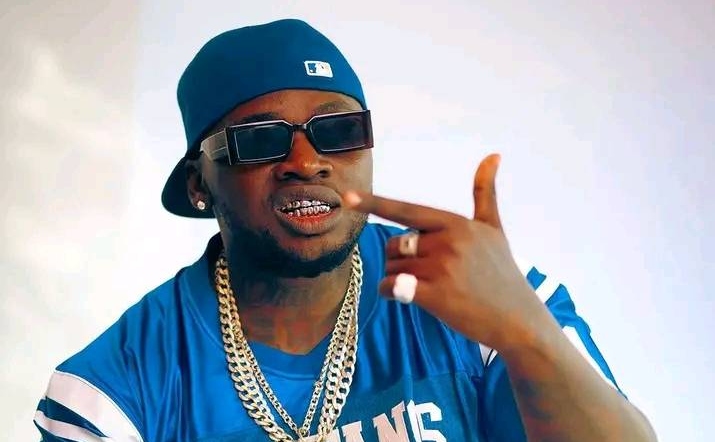
One of the most powerful names in Kenyan hip hop, Khaligraph Jones, is widely known as the “OG” of rap.
However, long before the fame and global recognition, he was Brian Ouko Omollo.
The transformation from Brian to Khaligraph Jones helped shape a bold, intimidating brand that now dominates East African rap conversations.
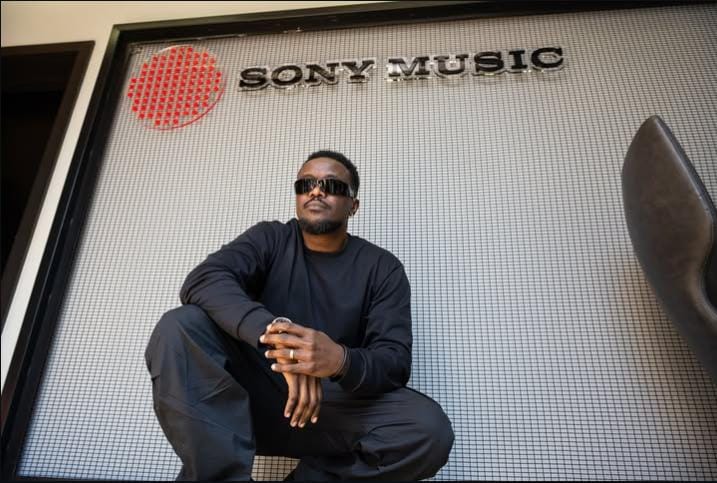
Another major figure Nyashinski, carries a name that has become iconic across generations. His real name is Nyamari Ongegu.
While “Nyashinski” is now a household name associated with lyrical excellence and a successful comeback story, Nyamari Ongegu reflects the man behind the music an artist who evolved from early hip hop roots into a refined mainstream voice.

Rap and storytelling also find strong representation in King Kaka, whose real name is Kennedy Ombima.
The “King” in his stage name reflects authority and creative dominance, while “Kaka,” meaning brother in Swahili, grounds his identity in relatability and everyday storytelling.
Kennedy Ombima has built a brand that bridges poetry, activism, and commercial music.

In the emotional and often controversial pop scene, Bahati is known to millions simply as Bahati.
However, his birth name is Kelvin Kioko, and the name “Bahati,” meaning luck, reflects his life story from growing up in Nairobi’s Mathare to becoming one of Kenya’s most talked-about entertainers.
Kelvin Kioko’s journey gives depth to the polished celebrity image fans see today.
 Willy Paul
Similarly, Willy Paul was born Wilson Abubakar Radido.
His stage name has become synonymous with controversy, versatility and hit songs that blur the lines between gospel roots and secular Afro-pop.
The transformation from Wilson to Willy Paul helped create a bold, unforgettable entertainment identity.
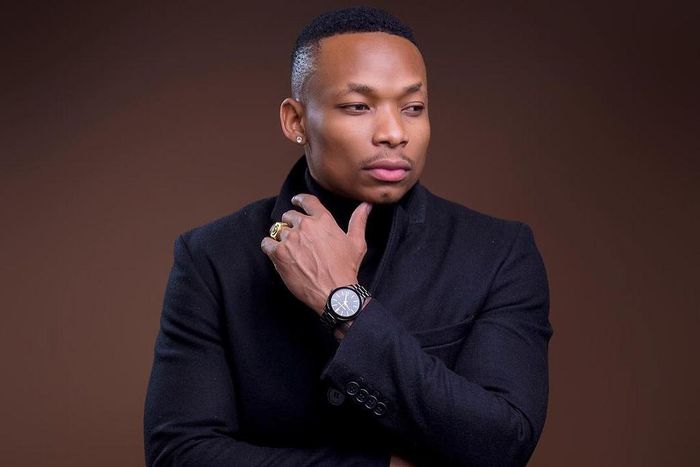
In Kenya’s R&B and Afro-pop space, Otile Brown stands out as one of the most streamed artists in the region.
Born Jacob Obunga, he adopted a stage name that now represents smooth love songs and emotional storytelling.
“Otile Brown” has become a brand that resonates deeply with fans across East Africa.
In hip hop’s emotional and historical timeline, the late E-Sir remains unforgettable.
Born Issah Mmari, E-Sir was one of the brightest stars of early 2000s Kenyan music.
His stage name became legendary, symbolizing youth, talent and a legacy that continues to influence Kenyan rap long after his passing.

In the female rap and performance space, Femi One has built a strong identity in a male-dominated industry.
Her real name is Wanjiku Kimani and while “Femi One” projects a fierce, international rap persona, Wanjiku Kimani represents the grounded artist behind hits that have defined her career.

Similarly, artists like Tipsy Gee have built their presence under stage identities that dominate social media and entertainment spaces.
While fans widely recognise the name Tipsy Gee, the artist’s real name is Kelvin Mugo.
In the Gengetone and digital era music wave, Tipsy Gee has built a recognisable name associated with youthful energy and social media driven music culture.

Similarly, Maandy has emerged as one of the most distinctive female voices in Gengetone and rap fusion.
Born Amanda Mitchelle Wambui, she is known for her bold delivery and street inspired style.
Consequently, Maandy continues to use her stage identity as a strong brand in a fast-moving industry, where image and sound are tightly connected.
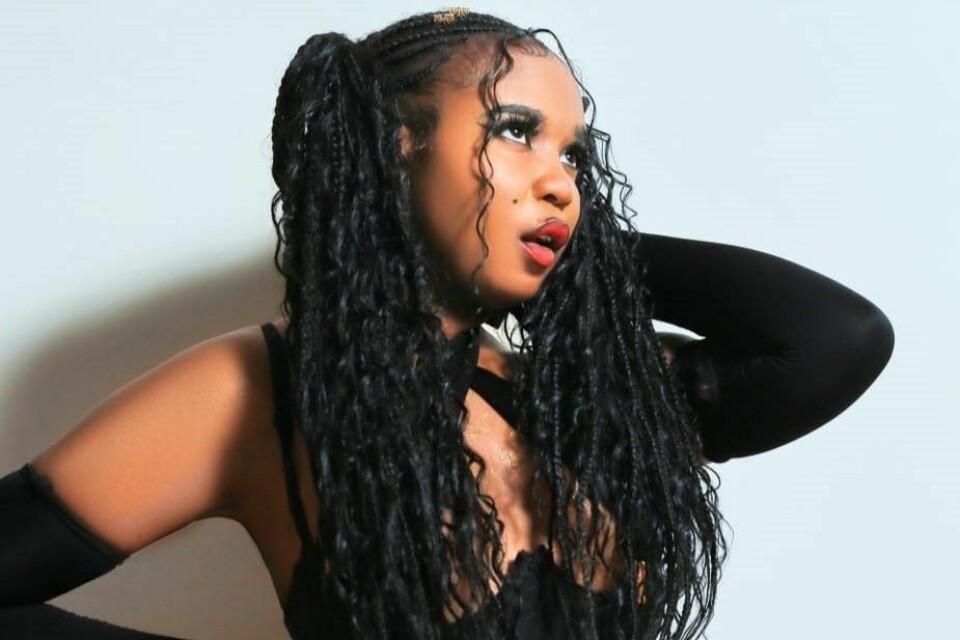
Another rising voice, Dyana Cods, represents the new wave of youthful Kenyan performers shaping Gengetone and digital pop culture.
Her real name is Diana Ojiambo, and like many Gen Z artists, she uses a stage name that is instantly recognisable and social media friendly, reinforcing how modern music branding often prioritises identity packaging as much as sound.
What ties all these artists together is the intentional use of stage names as creative strategy.
In a competitive industry, a name is not just a label but a first impression, a marketing tool and a statement of identity.
Some names project power, others tell stories, and some simply stick in the minds of fans yet behind every stage name is a real person.
These names remind fans that beyond the spotlight, awards and viral hits, Kenyan music is built on real lives, real journeys and real beginnings.
In the end, whether it is Khaligraph Jones or Brian Ouko, Bahati or Kelvin Kioko, the music industry thrives on this dual identity where the stage name is the brand, but the real name is the story.