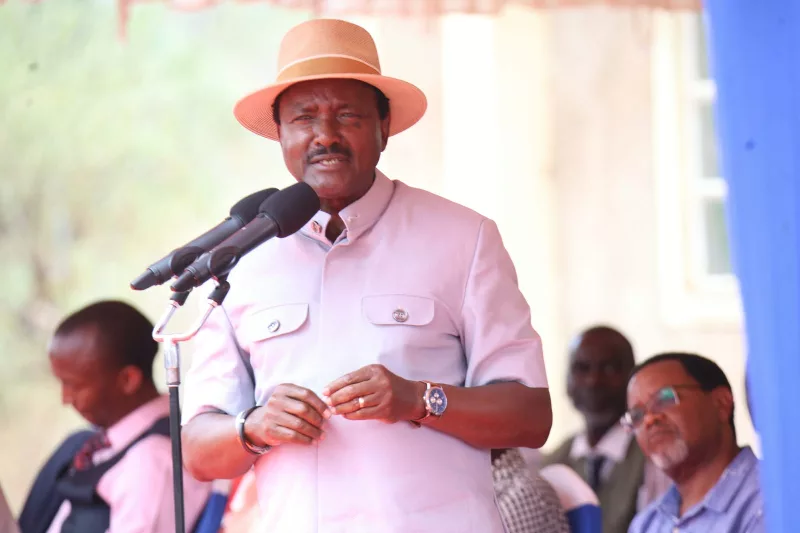
Bungoma County has marked 100 years since its establishment as a district by the colonial government in 1925, closing a historic chapter while opening another filled with hope.
Leaders, clergy and residents from across the county gathered in a celebratory mood to commemorate the centenary, even as they acknowledged the economic and social challenges that have emerged over time.
Once regarded as the green jewel of Kenya’s economy, Bungoma entered its second century weighed down by the decline of industries that once defined its identity and prosperity.
Decades ago, the county stood as a model of agrarian and industrial success, producing food for the nation and sustaining thriving manufacturing hubs that provided thousands of jobs.
Bungoma is historically associated with industries such as Webuye Pan Paper Mills, which for years signalled industrial prosperity in western Kenya.
Other major economic pillars included British American Tobacco, Mastermind Tobacco and the Nzoia Sugar Company, whose operations anchored livelihoods for generations of farmers and workers.
The county also produced prominent national figures, among them the late Masinde Muliro, a key figure in Kenya’s independence and democratic journey.
During the Bungoma Centenary Celebrations, Governor Kenneth Lusaka described the anniversary as more than a celebration, calling it “a moment of reflection, renewal and recommitment.”
“Today, we stand at the intersection of time and testimony,” Lusaka said. “One hundred years of Bungoma is not just a number; it is a story of resilience, faith and shared responsibility.”
The Governor traced Bungoma’s journey from its humble beginnings, marked by subsistence farming, communal living and strong moral values, to its growth into a modern county.
He noted that faith institutions played a central role in shaping Bungoma’s social fabric, especially during times when formal government services were absent.
“When there were no hospitals, the church prayed and cared. When there were no schools, the church taught. When there was despair, the church offered hope,” he said, crediting the clergy for laying the moral foundation upon which the county was built.

Lusaka observed that Bungoma has since grown into a key agricultural hub, with expanding towns, improved road networks, schools and health facilities.
However, he cautioned that significant challenges remain, including youth unemployment, poverty and persistent inequality.
“Even as we celebrate progress, we must acknowledge our unfinished work,” the Governor said. “Development must walk hand in hand with values. Progress without God is fragile.”
Looking ahead, Lusaka challenged residents and leaders to envision a Bungoma that offers opportunity to every child, empowers young people as job creators rather than job seekers, and upholds leadership anchored in service rather than entitlement.
“We want a Bungoma that grows economically but remains morally grounded,” he said. “A county where prosperity is shared and no one is left behind.”
Leaders who attended the celebrations from across the political divide echoed the Governor’s call for unity, value-based leadership and inclusive development as the foundation for Bungoma’s next century.